
Quick Conversion Table
| Brand | Equivalent | Match |
|---|---|---|
| Anchor | 131 | close |
| Madeira | 1005 | close |
| Cosmo ⚠ | 2647 | close |
| Sullivans | 45214 | close |
Royal Blue That Shifts: The Variegated Advantage
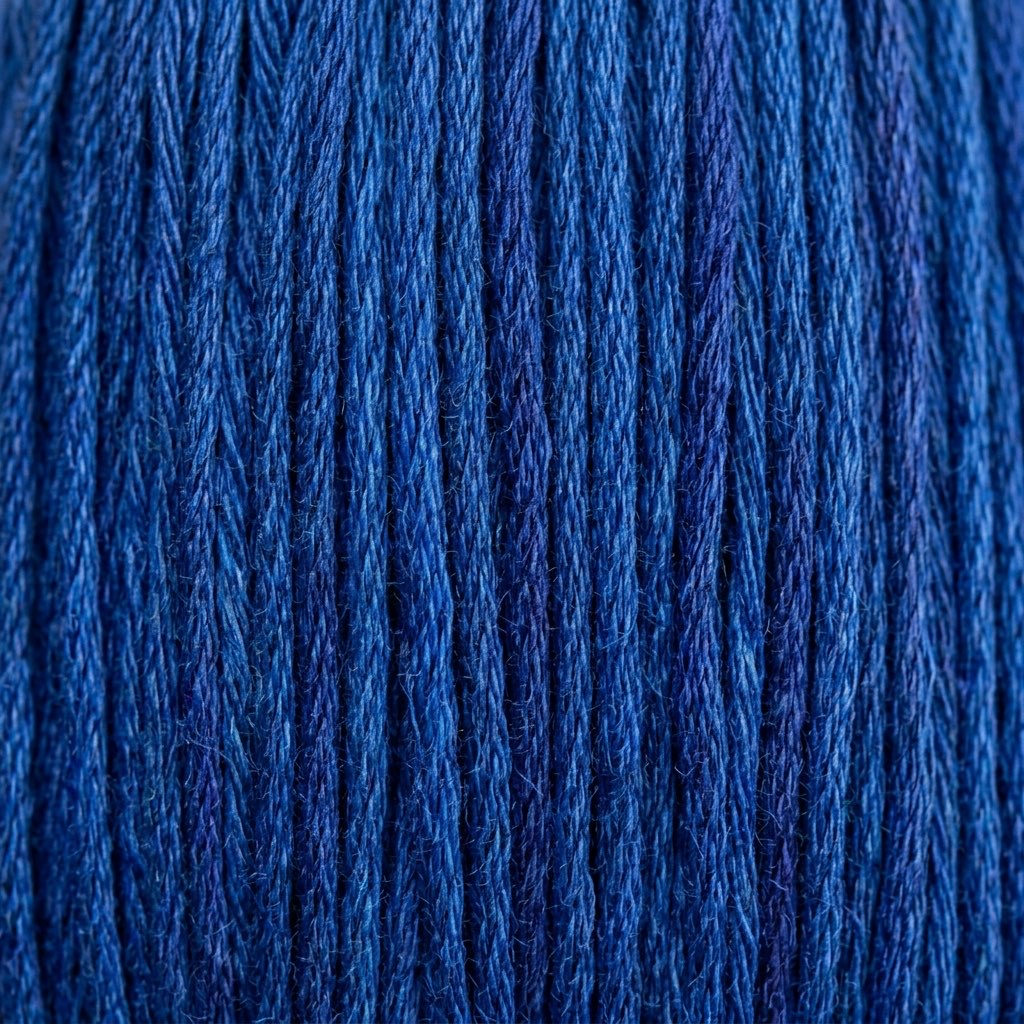
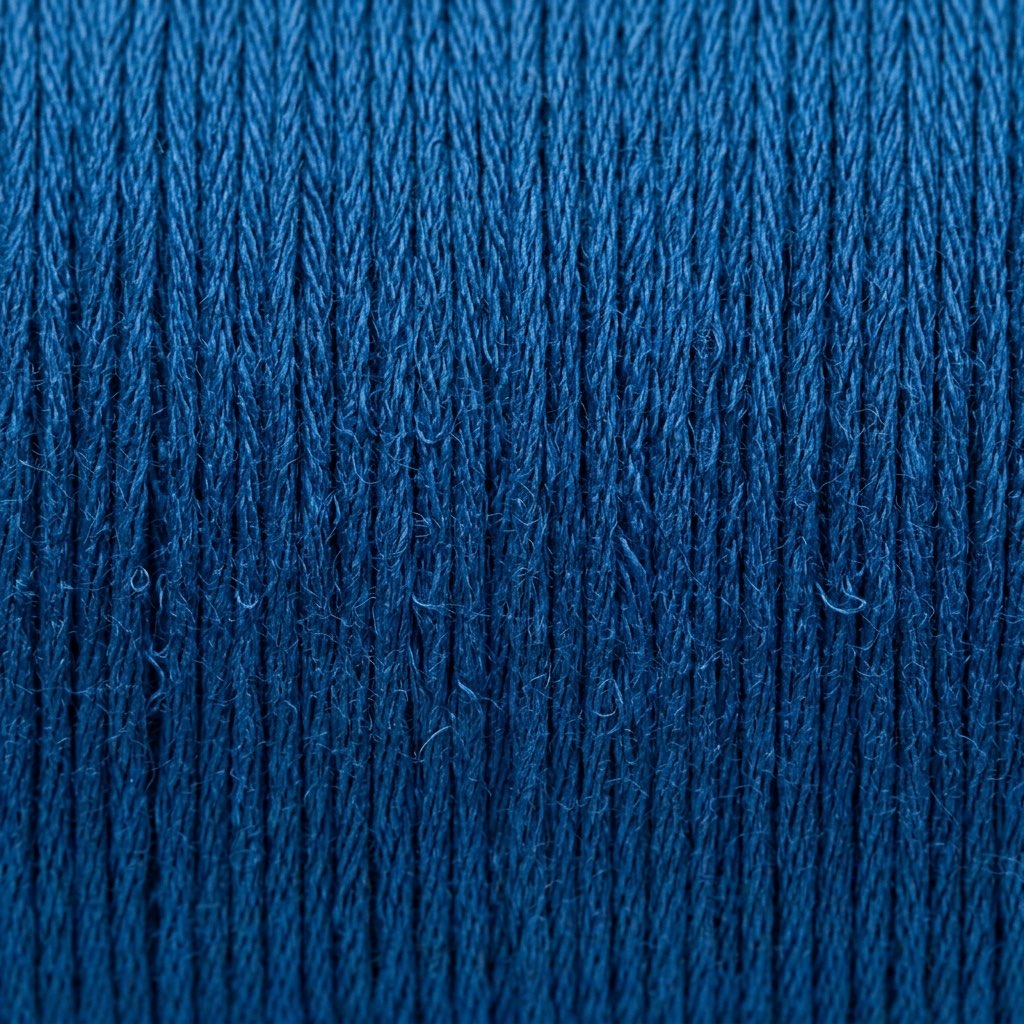
Variegated threads occupy a strange and wonderful space in cross-stitch. They're simultaneously the easiest way to add visual interest and one of the trickiest threads to use well. DMC 102 — Variegated Royal Blue — shifts through tones of deep, regal blue within a single strand, moving from a darker sapphire depth to a brighter cobalt as you stitch. The result, when it works, is a surface that shimmers with internal light, the way a gemstone catches and refracts rather than simply reflecting.
The "royal" in the name isn't arbitrary marketing. This thread lives in the same family as DMC 796 (Dark Royal Blue) and DMC 797 (Royal Blue), and its variegation range essentially walks you through that tonal neighborhood without requiring you to park threads or change skeins. For stitchers who love the idea of subtle shading but find blended needle technique intimidating, variegated threads like 102 are a genuine gateway. You get tonal variation built into the thread itself.
But here's the thing experienced stitchers learn the hard way: variegated threads are not a substitute for planning. If you stitch cross-country style with DMC 102, the color shifts land randomly and can create patchy, uneven areas that look more accidental than artistic. The Danish method — completing each row of half-stitches before returning — tends to distribute the color shifts more evenly, giving you gentle waves of light and dark rather than abrupt blotches. Some stitchers cut their lengths shorter than usual (12-14 inches instead of the typical 18) to manage where the transitions fall, though this means more thread starts and stops.
Where Royal Variegation Shines
Water is where DMC 102 comes alive. Ocean waves, flowing rivers, the rippled surface of a still lake — anywhere you want blue with movement and depth, this thread delivers. The natural variation mimics how light behaves on water far more convincingly than a flat solid color. Pair it with DMC 820 (Very Dark Royal Blue) for deep shadow areas and DMC 809 (Delft Blue) for lighter surface reflections, and you have a three-thread water palette that punches well above its weight.
Sky gradients are another natural home for 102. The variegation means you don't need quite as many graduated shades to suggest a sky transitioning from deep overhead blue to lighter horizon tones — the thread does some of that gradient work for you. In a landscape piece, stitching your sky area in 102 and then adding solid DMC 334 (Medium Baby Blue) toward the horizon creates a believable atmospheric depth without the fussy precision that a six-shade gradient demands.
Ornaments and small seasonal designs benefit enormously from variegated threads because the limited stitch count means you see the full color range compressed into a small space. A Christmas ornament background stitched in 102 looks far more luxurious than the same design in solid royal blue. Bookmarks, too — the long, narrow format lets the color shift play out in a satisfying rhythm as the eye travels down the piece.
One less obvious application: stained glass patterns. Those popular geometric designs that mimic cathedral windows often call for multiple blues in small, adjacent sections. A single variegated thread can suggest the subtle color differences between individual glass panes without requiring you to manage six different blue skeins for what amounts to a few stitches each. The variegation creates the illusion that each pane was stitched in a slightly different shade — which is exactly how real stained glass works, since no two pieces of hand-blown glass were ever perfectly identical.
Finding the Right Variegated Royal Blue Match
Substituting variegated threads is trickier than swapping solid colors. You're not just matching a single hue — you need to match the range, the pace of transition, and the overall impression. Anchor 131 gets you into the royal blue family, but as a solid thread, it only captures one moment of DMC 102's tonal journey. If your pattern relies on the variegation effect for visual texture — water, sky gradients, decorative backgrounds — swapping in a solid will fundamentally change the character of the piece.
Madeira 1005 is a close match in the solid realm, and it shares that rich, saturated royal blue quality. But again, without the variegation, you lose the movement. If you're converting a pattern that only uses 102 in small areas — a few scattered motifs, lettering, or outlines — a solid substitute works fine because the variegation wouldn't have been visible at that scale anyway.
Cosmo 2647 and Sullivans 45214 follow the same logic: close in hue to the midpoint of 102's range, but lacking the tonal shift. For truly faithful substitution, look within each brand's own variegated ranges. Anchor has its own multicolor line, and while exact shade matching requires a side-by-side comparison (preferably stitched, not just held next to each other in the skein), you can often find a blue variegated that captures the same visual energy.
If you're feeling adventurous and your pattern permits it, consider a blended needle approach with two solid blues — one strand of DMC 796 and one of DMC 798 threaded together — to approximate the tonal variation. It's not the same as true variegation, but it creates a visual texture that reads similarly from a normal viewing distance, especially on 18-count or higher fabric.
Reference quality
How We Validate This Color Record
Use this page as a reference card for DMC 102: the structured data, quick conversions, and long-form copy are all tied back to the same stored color record.
- Methodology
- This page renders DMC 102, its hex value, and every brand equivalent from the site's source-of-truth color record, then checks long-form body copy against those same stored fields.
- Verification status
- Source-field checked. The page content is audited against the stored DMC number, brand equivalents, and match-quality labels before publishing.
- Last reviewed
- 2026-04-20
- Approximation warning
- Screen hex values, thread photos, and cross-brand conversions are reference aids. Dye lots, thread sheen, and fabric color can still shift the result in hand.
Decision guide
When to use the DMC 102 reference page
This page should help you decide faster between palette planning, brand substitution, and shade comparison without turning the color record into a thin lookup page.
Best for
- + Palette planning when you want the stored DMC 102 Variegans Royal Blue record, hex value #3858A8, and linked brand equivalents in one place.
- + Checking the quickest cross-brand shortlist before you buy floss, compare stash substitutes, or route into a more specific conversion page.
- + Finding nearby shades in the blues family before you commit to accents, shading, or background blends.
Watch for
- ! Screen previews are only reference aids. Variegans Royal Blue can shift on real fabric because thread sheen, stitch coverage, and room lighting change how the color reads.
- ! A stored equivalent is still a shortlist, not a guarantee that two brands will disappear into each other in the same stitched motif.
- ! Older charts, discontinued kit floss, and dye-lot variation can all introduce small but visible differences that the page cannot detect for you.
Before you commit
- Confirm the role of DMC 102 Variegans Royal Blue: decide whether you need an exact hero shade, a forgiving background, or a rough stash substitute.
- Compare on project fabric: view the skein or stitched sample on the same fabric count and color you will actually use.
- Use the linked conversion pages next: open the brand-specific pages when you need match-quality caveats before substituting away from the DMC reference.
DMC 102 FAQ
These questions appear on the page so the FAQ schema stays aligned with what visitors can actually read.
What is the Anchor equivalent of DMC 102?+
The closest Anchor equivalent to DMC 102 (Variegans Royal Blue) is Anchor 131. This is a close match.
What color is DMC 102?+
DMC 102 is called "Variegans Royal Blue" and has a hex color value of #3858A8. It belongs to the blues color family.
What is the Madeira equivalent of DMC 102?+
The closest Madeira equivalent to DMC 102 (Variegans Royal Blue) is Madeira 1005. This is a close match.
How DMC 102 Looks on Fabric
The same thread appears different depending on your fabric. Always test on your project fabric.
White Aida
Cream / Ecru
Black Aida
Pairs Well With
DMC colors commonly used alongside 102 Variegans Royal Blue.
Suggested Palette
Shading Companions
Detailed Conversions
Where to Buy DMC 102
This section contains affiliate links. We may earn a small commission at no cost to you.
Related Guides
Free Printable Thread Conversion Chart
Pick a brand, enter your email, and we'll send you a printable chart mapping all 552 DMC colors to that brand's equivalents. Zero spam, one chart.
Thanks! Here's your free chart:
Download Your ChartOpens in a new tab. Use your browser's Print → Save as PDF.
No spam. Your email is stored securely and never shared.