
Quick Conversion Table
| Brand | Equivalent | Match |
|---|---|---|
| Anchor | 387 | exact |
| Madeira | 2010 | exact |
| Cosmo ⚠ | 305 | close |
| Sullivans | 45000 | close |
| J&P Coats | 1002 | close |
| Dimensions | 6098 | close |
| Bucilla | 9 | close |
| Candamar | 6115 | close |
What Exactly Is Ecru? The Color That Confuses Everyone
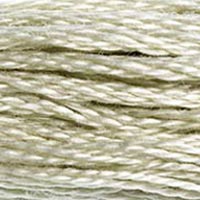
Ecru is one of those words that people use confidently while meaning slightly different things. Derived from the French word for "raw" or "unbleached," ecru describes the natural color of undyed cotton or linen — a warm, creamy off-white that sits somewhere between pure white and pale beige. In cross-stitch, DMC Ecru occupies this exact middle ground, and understanding where it falls on that spectrum is the key to using it well.
The most common use of DMC Ecru is fabric matching. If you're stitching on ecru or natural-toned Aida or linen, you'll want DMC Ecru thread to fill areas that should blend seamlessly with your background. But here's the catch: "ecru" fabric varies wildly between manufacturers. Charles Craft ecru Aida is noticeably warmer (more golden) than Zweigart's ecru, which tends toward a cooler cream. And hand-dyed fabrics marketed as "ecru" can be just about anything. Always test your DMC Ecru thread against your specific fabric before committing to a large area of stitching.
Beyond fabric matching, DMC Ecru serves as a critical blending shade in several contexts. In skin tone work, it provides highlights on lighter complexions without the harshness of pure white. In nature scenes, it softens transitions between white and tan elements — sandy beaches, dried grasses, or birch bark all benefit from Ecru's warm neutrality. And in antique-style samplers, Ecru gives text and motifs a period-appropriate softness that Blanc simply cannot achieve.
Ecru also pairs beautifully with metallics. Gold thread next to Ecru looks warm and intentional, while gold next to Blanc can appear jarring. If you're working on a design with gold accents — holiday ornaments, celestial themes, or Regency-era patterns — try Ecru as your neutral instead of white.
A note on aging: Ecru thread is more forgiving over time than pure white. Blanc can yellow with age and look dingy, but Ecru simply looks like... Ecru. For heirloom pieces that will hang for decades, this is a subtle but real advantage.
Cross-Brand Ecru Matching: Proceed with Caution
Ecru is one of the hardest neutrals to match across brands, because every manufacturer interprets "raw, unbleached" differently.
Anchor 387 is listed as an exact match, and most stitchers agree it's extremely close. If anything, Anchor's ecru may run a hair cooler (less golden) than DMC's, but the difference is negligible in most projects.
Madeira 2010 is also considered exact. Madeira's version has a comparable warmth to DMC's, making it a safe substitution.
Cosmo 305 is where things get interesting. Cosmo's near-ecru shade tends to lean slightly pinker or more rose-tinted than DMC Ecru's golden undertone. On its own it's lovely, but mixing the two on a single project can create a noticeable color shift. If you're switching brands mid-project, stitch a few test crosses on scrap fabric first.
Sullivans 45000 is listed as close rather than exact, and that's accurate. The Sullivans equivalent is closer to their white shade, so it may appear too bright for areas where true DMC Ecru warmth is expected.
One tip specific to ecru: because this color is so dependent on context (it looks different on every fabric), the safest approach for substitution is to bring your actual fabric to a shop and hold candidate threads against it. Online hex codes and screen comparisons are less reliable for ecru than for almost any other color in the DMC range.
Reference quality
How We Validate This Color Record
Use this page as a reference card for DMC Ecru: the structured data, quick conversions, and long-form copy are all tied back to the same stored color record.
- Methodology
- This page renders DMC Ecru, its hex value, and every brand equivalent from the site's source-of-truth color record, then checks long-form body copy against those same stored fields.
- Verification status
- Source-field checked. The page content is audited against the stored DMC number, brand equivalents, and match-quality labels before publishing.
- Last reviewed
- 2026-04-20
- Approximation warning
- Screen hex values, thread photos, and cross-brand conversions are reference aids. Dye lots, thread sheen, and fabric color can still shift the result in hand.
Decision guide
When to use the DMC Ecru reference page
This page should help you decide faster between palette planning, brand substitution, and shade comparison without turning the color record into a thin lookup page.
Best for
- + Palette planning when you want the stored DMC Ecru Ecru record, hex value #F0EADA, and linked brand equivalents in one place.
- + Checking the quickest cross-brand shortlist before you buy floss, compare stash substitutes, or route into a more specific conversion page.
- + Finding nearby shades in the neutrals family before you commit to accents, shading, or background blends.
Watch for
- ! Screen previews are only reference aids. Ecru can shift on real fabric because thread sheen, stitch coverage, and room lighting change how the color reads.
- ! A stored equivalent is still a shortlist, not a guarantee that two brands will disappear into each other in the same stitched motif.
- ! Older charts, discontinued kit floss, and dye-lot variation can all introduce small but visible differences that the page cannot detect for you.
Before you commit
- Confirm the role of DMC Ecru Ecru: decide whether you need an exact hero shade, a forgiving background, or a rough stash substitute.
- Compare on project fabric: view the skein or stitched sample on the same fabric count and color you will actually use.
- Use the linked conversion pages next: open the brand-specific pages when you need match-quality caveats before substituting away from the DMC reference.
DMC Ecru FAQ
These questions appear on the page so the FAQ schema stays aligned with what visitors can actually read.
What is the Anchor equivalent of DMC Ecru?+
The closest Anchor equivalent to DMC Ecru (Ecru) is Anchor 387. This is an exact match.
What color is DMC Ecru?+
DMC Ecru is called "Ecru" and has a hex color value of #F0EADA. It belongs to the neutrals color family.
What is the Madeira equivalent of DMC Ecru?+
The closest Madeira equivalent to DMC Ecru (Ecru) is Madeira 2010. This is an exact match.
How DMC Ecru Looks on Fabric
The same thread appears different depending on your fabric. Always test on your project fabric.
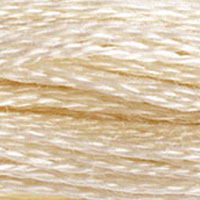
White Aida
Cream / Ecru
Black Aida
Pairs Well With
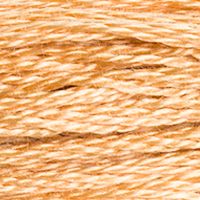
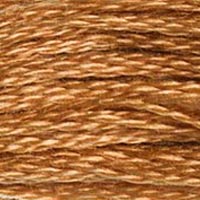
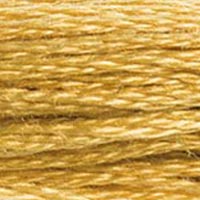
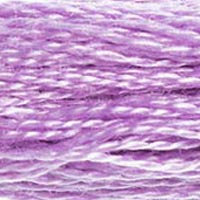
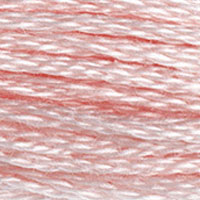
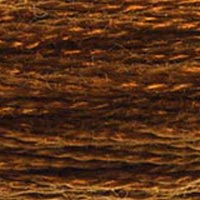
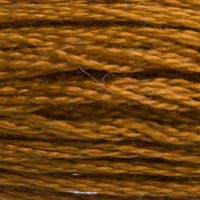
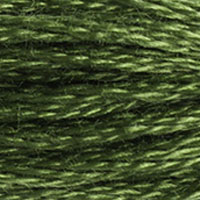
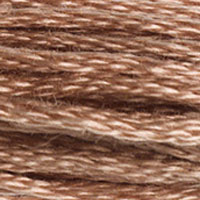
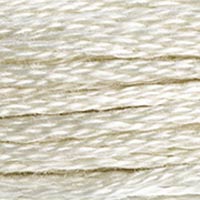
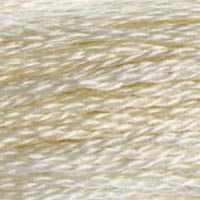
DMC colors commonly used alongside Ecru Ecru.
Vintage & Antique
Earth Tones
Shading Companions
Detailed Conversions
Where to Buy DMC Ecru
This section contains affiliate links. We may earn a small commission at no cost to you.
Related Guides
Free Printable Thread Conversion Chart
Pick a brand, enter your email, and we'll send you a printable chart mapping all 552 DMC colors to that brand's equivalents. Zero spam, one chart.
Thanks! Here's your free chart:
Download Your ChartOpens in a new tab. Use your browser's Print → Save as PDF.
No spam. Your email is stored securely and never shared.