
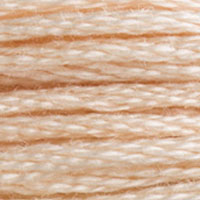
DMC 3774 — Very Light Desert Sand
Browns family · Hex #F3E1D7
Quick Conversion Table
| Brand | Equivalent | Match |
|---|---|---|
| Anchor | 778 | exact |
| Madeira | 1909 | close |
| Cosmo ⚠ | 423 | close |
| Sullivans | 45388 | close |
| J&P Coats | 2336 | close |
| Dimensions | 6336 | close |
Pale, warm beige colors are the unsung heroes of complex cross-stitch palettes. They don't announce themselves. They don't carry a design. But remove them and everything falls flat — the transitions become harsh, the highlights seem disconnected from the midtones, and the overall piece loses the warmth that made it feel alive. DMC 3774, Very Light Desert Sand, does exactly this invisible-but-essential work. At hex #F3E1D7, it's a creamy, warm pale beige — noticeably warmer than Blanc, noticeably lighter than the mid-tone Desert Sand family.
It's the color of aged parchment, of summer linen left in the sun, of the pale underside of autumn leaves. These associations are useful because they tell you when 3774 is right: whenever you need a warm highlight that would be too stark in pure white, too cool in a gray-neutral, too peachy in the salmon range. It fills the gap between winter whites and warm beiges with something genuinely distinctive.
Application in Skin and Figure Work
Portrait and figure stitching regularly uses 3774 as a highlight color for lighter skin tones — particularly for highlights on areas that catch direct light, like foreheads, the bridge of the nose, and the center of the chin. It reads as skin at its palest, warmest point without becoming the stark near-white that DMC 3770 (Very Light Tawny) or Blanc would provide. In light-skinned subjects, 3774 often sits between the cream highlight and the first warm midtone, providing a smooth transition that prevents the 'striped' look that can result from too few skin tone values.
For subjects with a warm, golden skin tone — Mediterranean, East Asian, or lighter Southeast Asian complexions — 3774 can occupy the actual highlight position rather than just the transition. The golden warmth of the thread matches these skin undertones better than cooler alternatives.
Architectural and Textile Representation
In architectural cross-stitch, 3774 reads as the highlight on cream or pale stone — the sunlit face of limestone, sandstone, or pale brick. Medieval and Renaissance castle designs frequently use it in combination with DMC 3772 (Very Dark Desert Sand) and DMC 842 (Very Light Beige Brown) to create convincing stone textures with light, shadow, and mid-tone.
For linen or fabric texture representation in still-life subjects — a draped cloth, a linen tablecloth in a floral arrangement piece, the background textile in a sampler — 3774 is excellent. Its warmth suggests natural fiber without the slight peachy quality that would suggest skin rather than cloth. Combine it with DMC 3782 (Light Mocha Brown) or DMC 644 (Medium Beige Gray) for a woven-textile shading sequence.
One area where stitchers are sometimes surprised by 3774 is sampler backgrounds. When you need a period-appropriate warm background that suggests aged parchment — common in historical reproduction and Quaker-style samplers — 3774 used as a fill on antique linen creates that authentic quality. The thread and fabric together produce a warmth that neither alone would achieve.
Coverage is worth a specific mention for 3774. In very light warm colors, two strands on 14-count Aida delivers good coverage for most purposes. However, on 18-count or higher, or on evenweave fabrics where the weave structure is more visible, some stitchers find that the pale thread needs extra strand count or very careful railroading to look fully filled. Before committing to 3774 as a background fill on a fine-count fabric, stitch a small test area in your hoop and assess it at arm's length in the lighting where you'll display the finished piece.
Two exact matches here: Anchor 778 and Madeira 1909 both replicate DMC 3774 reliably. For a pale, warm beige where accurate substitution matters — portrait highlights, period sampler work — either of these is a confident choice. Anchor 778 is particularly widely available and is often stocked by shops that carry limited Anchor selections.
Cosmo 423 and Sullivans 45388 are rated close. Both are generally accurate in this pale range, though very light colors can be more susceptible to dye lot variation — if you're buying multiple skeins for a background fill, checking that they're from the same lot is worthwhile regardless of brand. Pale thread dye lots vary more visibly than saturated colors because there's less pigment masking the differences.
Within DMC, the nearest alternatives depend on what you need from 3774. DMC 951 (Light Tawny) is one step warmer and slightly more peachy — useful if you need more color presence in your lightest position. DMC 842 (Very Light Beige Brown) is slightly more neutral/cool, good for stone and architectural work where 3774's warmth reads as too sandy. DMC 739 (Ultra Very Light Tan) covers similar pale territory with a slightly different warm-beige character. DMC Ecru provides a cool contrast — more cream than warm sand.
Reference quality
How We Validate This Color Record
Use this page as a reference card for DMC 3774: the structured data, quick conversions, and long-form copy are all tied back to the same stored color record.
- Methodology
- This page renders DMC 3774, its hex value, and every brand equivalent from the site's source-of-truth color record, then checks long-form body copy against those same stored fields.
- Verification status
- Source-field checked. The page content is audited against the stored DMC number, brand equivalents, and match-quality labels before publishing.
- Last reviewed
- 2026-04-20
- Approximation warning
- Screen hex values, thread photos, and cross-brand conversions are reference aids. Dye lots, thread sheen, and fabric color can still shift the result in hand.
Decision guide
When to use the DMC 3774 reference page
This page should help you decide faster between palette planning, brand substitution, and shade comparison without turning the color record into a thin lookup page.
Best for
- + Palette planning when you want the stored DMC 3774 Very Light Desert Sand record, hex value #F3E1D7, and linked brand equivalents in one place.
- + Checking the quickest cross-brand shortlist before you buy floss, compare stash substitutes, or route into a more specific conversion page.
- + Finding nearby shades in the browns family before you commit to accents, shading, or background blends.
Watch for
- ! Screen previews are only reference aids. Very Light Desert Sand can shift on real fabric because thread sheen, stitch coverage, and room lighting change how the color reads.
- ! A stored equivalent is still a shortlist, not a guarantee that two brands will disappear into each other in the same stitched motif.
- ! Older charts, discontinued kit floss, and dye-lot variation can all introduce small but visible differences that the page cannot detect for you.
Before you commit
- Confirm the role of DMC 3774 Very Light Desert Sand: decide whether you need an exact hero shade, a forgiving background, or a rough stash substitute.
- Compare on project fabric: view the skein or stitched sample on the same fabric count and color you will actually use.
- Use the linked conversion pages next: open the brand-specific pages when you need match-quality caveats before substituting away from the DMC reference.
DMC 3774 FAQ
These questions appear on the page so the FAQ schema stays aligned with what visitors can actually read.
What is the Anchor equivalent of DMC 3774?+
The closest Anchor equivalent to DMC 3774 (Very Light Desert Sand) is Anchor 778. This is an exact match.
What color is DMC 3774?+
DMC 3774 is called "Very Light Desert Sand" and has a hex color value of #F3E1D7. It belongs to the browns color family.
What is the Madeira equivalent of DMC 3774?+
The closest Madeira equivalent to DMC 3774 (Very Light Desert Sand) is Madeira 1909. This is a close match.
How DMC 3774 Looks on Fabric
The same thread appears different depending on your fabric. Always test on your project fabric.
White Aida
Cream / Ecru
Black Aida
Pairs Well With
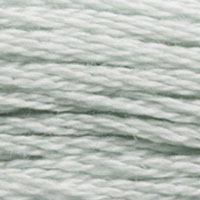
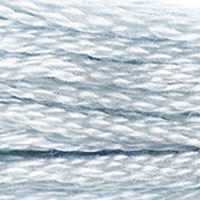
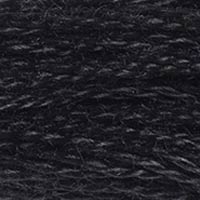
DMC colors commonly used alongside 3774 Very Light Desert Sand.
Suggested Palette
Shading Companions
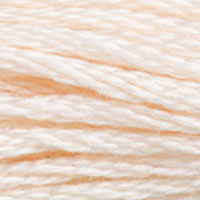
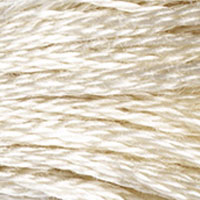
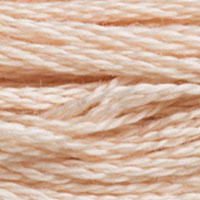
Detailed Conversions
Where to Buy DMC 3774
This section contains affiliate links. We may earn a small commission at no cost to you.
Related Guides
Free Printable Thread Conversion Chart
Pick a brand, enter your email, and we'll send you a printable chart mapping all 552 DMC colors to that brand's equivalents. Zero spam, one chart.
Thanks! Here's your free chart:
Download Your ChartOpens in a new tab. Use your browser's Print → Save as PDF.
No spam. Your email is stored securely and never shared.