
Quick Conversion Table
| Brand | Equivalent | Match |
|---|---|---|
| Anchor | 1009 | exact |
| Madeira | 2314 | close |
| Cosmo ⚠ | 340 | close |
| Sullivans | 45385 | close |
| J&P Coats | 2275 | close |
| Dimensions | 6336 | close |
| Bucilla | 6098 | close |
| Candamar | 6328 | close |
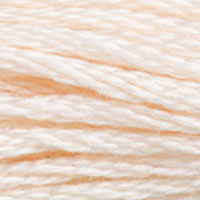
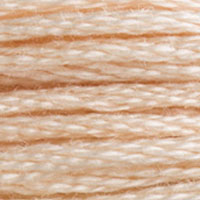
Skin tones in cross-stitch are genuinely difficult. There's a tendency to think of them as a solved problem — DMC publishes flesh-tone ranges, every kit includes at least one — but the truth is that accurate, nuanced skin representation requires knowing exactly which pale, warm, peachy thread does what. DMC 3770, Very Light Tawny, earns its place in this conversation as the palest, most neutral option in the tawny family. At hex #FFEEE3, it's a soft, warm cream with the faintest suggestion of peach — not quite beige, not quite pink, but exactly the color of skin in highlight positions.
The word 'tawny' is worth examining. It historically refers to a warm yellowish-brown, the color of a lion's coat or autumn leaves, but in DMC's naming convention the Tawny family covers the whole range from this very light, almost-cream tone through to deeper warm browns. At the lightest end, tawny reads as a warm highlight rather than a brown at all — which is exactly why 3770 works so well in figurative and portrait stitching.
Portrait and Figurative Stitching
In portrait cross-stitch — whether working from patterns or designing your own — DMC 3770 typically occupies the highest highlight position in the skin tone sequence. The progression often runs from 3770 through DMC 3771 (Ultra Very Light Terra Cotta) and DMC 3778 (Light Terra Cotta), building warmth and depth as you move from highlight to midtone to shadow. This three-step sequence gives you a convincing range for most light-skinned subjects and also provides the palest tones needed for Asian and lighter South Asian skin representations.
Beyond portraits, 3770 is useful in any design featuring warm highlights — candle flames where the light center needs to bloom out to cream, sandy beaches where the brightest sunlit areas need warmth, decorative elements with ivory or natural-material textures. It's not a cold white, so it doesn't work where you need stark brightness. It's the warm equivalent of a highlight color.
Fabric Interaction and Visibility
On white Aida, very light warm colors like 3770 are notoriously tricky to assess while stitching. The thread looks almost invisible against white fabric during construction, but reads clearly once the surrounding colors are filled in. This can lead to miscounting or misplaced stitches that are hard to spot — and subsequently hard to frog — because the thread blends with the fabric ground. Many experienced stitchers work 3770 with extra attention to counting, sometimes marking the grid with a removable fabric marker.
On antique white or natural linen, 3770 reads more warmly and is easier to see during stitching. The contrast between the thread and the fabric's undertone is just enough to make placement clear. Some stitchers who normally prefer white Aida actually switch to natural linen specifically for portrait work, partly for this reason.
Shopping and Stash Notes
DMC 3770 is not always the most prominent thread on shop displays — it's pale and sits near other pale creams and beiges that can look identical in their skein form under shop lighting. When buying in person, take the skein to the window and compare it with a known white or ivory — 3770 should read distinctly warmer. Online purchasing based on screen approximations can be unreliable for colors in this pale warm range, where monitor calibration differences matter more than they do for saturated colors. Ordering a sample skein or buying from a trusted online retailer with good photo calibration is recommended if you haven't worked with this thread before.
Both Anchor 1009 and Madeira 2314 are exact matches for DMC 3770, which is genuinely good news for a color where accuracy can matter significantly — the wrong shade of pale skin tone reads as obviously wrong in portrait work in a way that a slightly-off background color wouldn't. If you regularly substitute Anchor or Madeira for DMC, these equivalents are trustworthy for portrait work.
Cosmo 340 and Sullivans 45385 are rated close. Both are usable in most contexts, though in very precise skin tone sequencing, close may not be close enough — a slight shift in warmth or value can affect the perceived transition between highlight and midtone. Test stitching a few stitches of the substitute next to the preceding skin tone (if you're partway through a portrait) before committing.
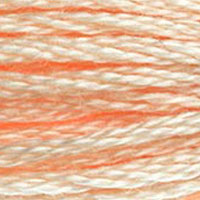
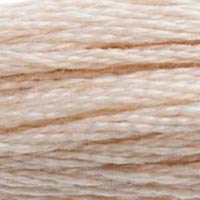
Within the DMC range, 3770 sits at the lightest end of the tawny family. DMC 951 (Light Tawny) is one step darker and warmer. DMC 3771 (Ultra Very Light Terra Cotta) is in adjacent territory and can sometimes substitute in non-portrait contexts where exact warmth isn't critical. DMC Blanc and DMC 3865 (Winter White) are both lighter and cooler — not substitutes for 3770 where warmth is needed, but useful complements in designs where you need an even paler highlight alongside 3770's warmth.
Reference quality
How We Validate This Color Record
Use this page as a reference card for DMC 3770: the structured data, quick conversions, and long-form copy are all tied back to the same stored color record.
- Methodology
- This page renders DMC 3770, its hex value, and every brand equivalent from the site's source-of-truth color record, then checks long-form body copy against those same stored fields.
- Verification status
- Source-field checked. The page content is audited against the stored DMC number, brand equivalents, and match-quality labels before publishing.
- Last reviewed
- 2026-04-20
- Approximation warning
- Screen hex values, thread photos, and cross-brand conversions are reference aids. Dye lots, thread sheen, and fabric color can still shift the result in hand.
Decision guide
When to use the DMC 3770 reference page
This page should help you decide faster between palette planning, brand substitution, and shade comparison without turning the color record into a thin lookup page.
Best for
- + Palette planning when you want the stored DMC 3770 Very Light Tawny record, hex value #FFEEE3, and linked brand equivalents in one place.
- + Checking the quickest cross-brand shortlist before you buy floss, compare stash substitutes, or route into a more specific conversion page.
- + Finding nearby shades in the browns family before you commit to accents, shading, or background blends.
Watch for
- ! Screen previews are only reference aids. Very Light Tawny can shift on real fabric because thread sheen, stitch coverage, and room lighting change how the color reads.
- ! A stored equivalent is still a shortlist, not a guarantee that two brands will disappear into each other in the same stitched motif.
- ! Older charts, discontinued kit floss, and dye-lot variation can all introduce small but visible differences that the page cannot detect for you.
Before you commit
- Confirm the role of DMC 3770 Very Light Tawny: decide whether you need an exact hero shade, a forgiving background, or a rough stash substitute.
- Compare on project fabric: view the skein or stitched sample on the same fabric count and color you will actually use.
- Use the linked conversion pages next: open the brand-specific pages when you need match-quality caveats before substituting away from the DMC reference.
DMC 3770 FAQ
These questions appear on the page so the FAQ schema stays aligned with what visitors can actually read.
What is the Anchor equivalent of DMC 3770?+
The closest Anchor equivalent to DMC 3770 (Very Light Tawny) is Anchor 1009. This is an exact match.
What color is DMC 3770?+
DMC 3770 is called "Very Light Tawny" and has a hex color value of #FFEEE3. It belongs to the browns color family.
What is the Madeira equivalent of DMC 3770?+
The closest Madeira equivalent to DMC 3770 (Very Light Tawny) is Madeira 2314. This is a close match.
How DMC 3770 Looks on Fabric
The same thread appears different depending on your fabric. Always test on your project fabric.
White Aida
Cream / Ecru
Black Aida
Pairs Well With
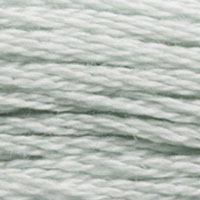
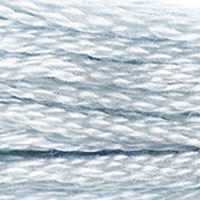
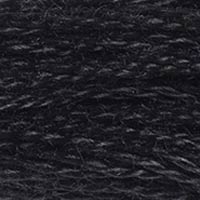
DMC colors commonly used alongside 3770 Very Light Tawny.
Suggested Palette
Detailed Conversions
Where to Buy DMC 3770
This section contains affiliate links. We may earn a small commission at no cost to you.
Related Guides
Free Printable Thread Conversion Chart
Pick a brand, enter your email, and we'll send you a printable chart mapping all 552 DMC colors to that brand's equivalents. Zero spam, one chart.
Thanks! Here's your free chart:
Download Your ChartOpens in a new tab. Use your browser's Print → Save as PDF.
No spam. Your email is stored securely and never shared.