
Quick Conversion Table
| Brand | Equivalent | Match |
|---|---|---|
| Anchor | 87 | close |
| Madeira | 0709 | close |
| Cosmo ⚠ | 2640 | close |
| Sullivans | 45431 | close |
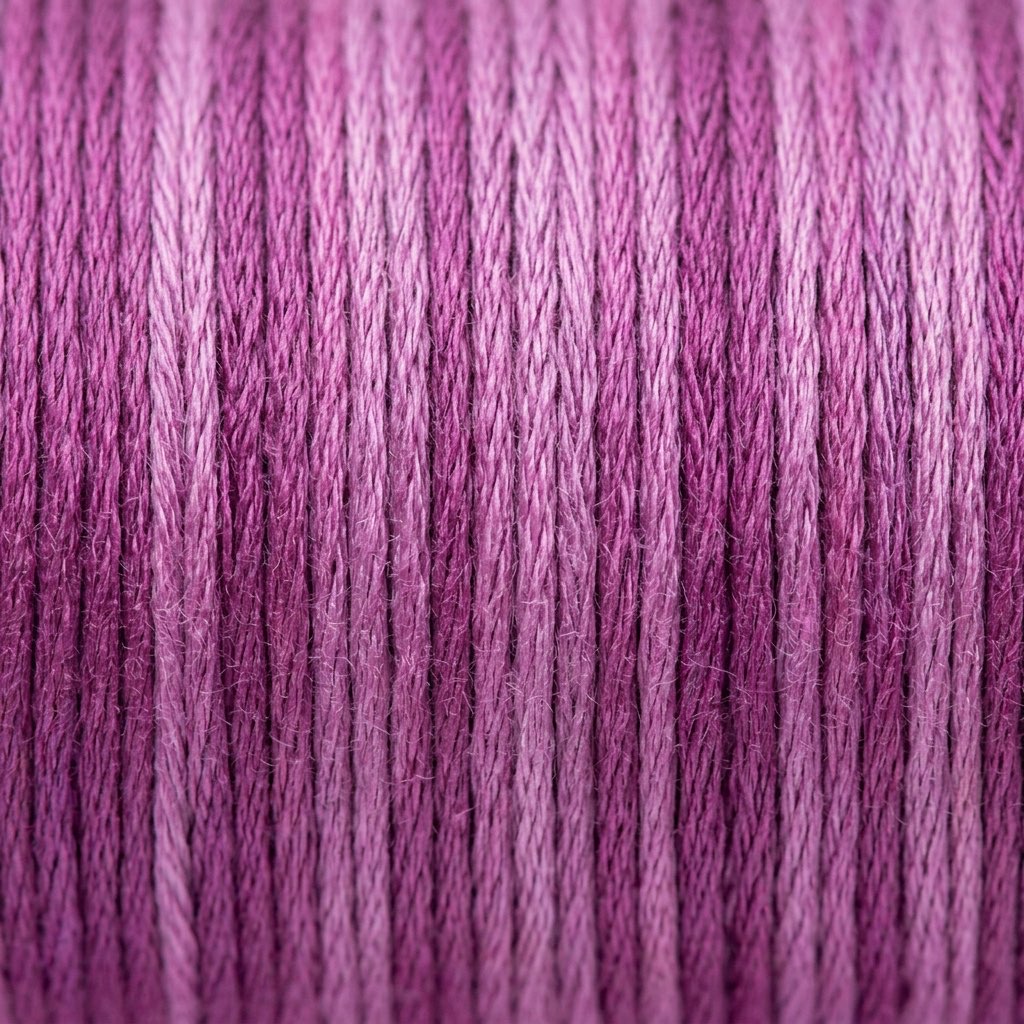
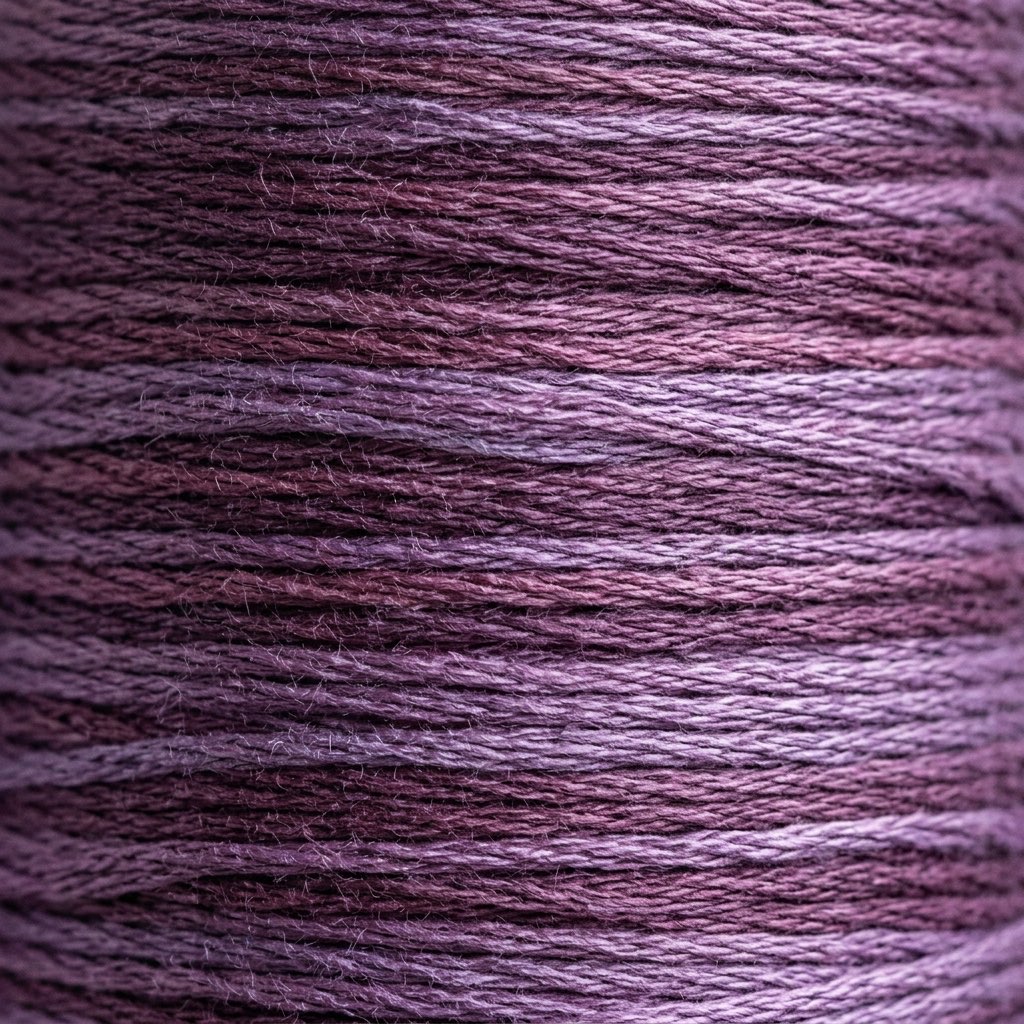
Variegated threads occupy a peculiar position in the cross-stitch community: universally loved by beginners for the magic of watching colors shift as you stitch, and regarded with a certain wariness by experienced stitchers who've had to frog yards of beautiful thread because the variegation pattern fought the design rather than complementing it. DMC 91 Variegated Orchid is one of the more manageable variegated threads in the DMC lineup — its purple-to-lavender-to-pink range covers a relatively narrow chromatic span compared to some of the wilder multicolors, which gives you more control over how the shifts read in finished work.
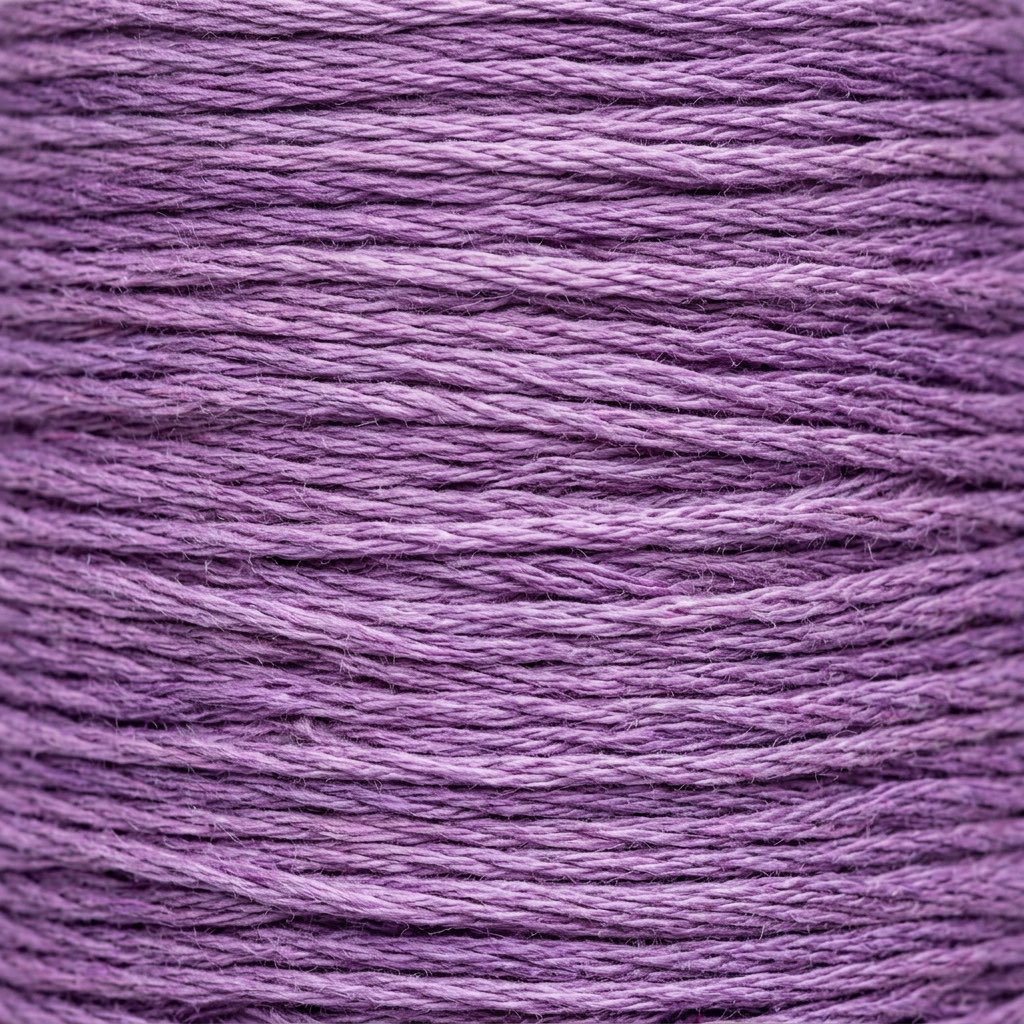
The hex representation #B060B0 captures roughly the mid-range of this thread's color span, but the actual thread moves through a range from deeper purple (closer to DMC 553 in tone) through mid orchid to lighter lavender-pink (approaching DMC 554 or DMC 3608 territory). The dye intervals in DMC 91 are long enough that in many stitch patterns the color shifts read as gradual and atmospheric rather than as sharp stripey blocks.
Technique Considerations for Variegated Thread
The most important technique decision when using DMC 91 is how to manage the length of thread you're working with. Longer lengths amplify the variegation pattern and can create unintended banding effects, especially in large fill areas worked cross-country. Shorter lengths (around 12–15 inches rather than the typical 18) give you more control over which color appears in which area of your design.
Parking works particularly well with variegated threads including DMC 91. By parking your needle in a specific location and resuming from the same position each time, you can manage the color progression across the design area. Some stitchers use this intentionally to guide the orchid shades toward the flower centers and the deeper purples toward the outer edges, or vice versa depending on the design.
The Danish method — stitching half-crosses across a row, then completing all crosses on the return — interacts differently with variegated thread than the English method of completing each cross individually. Danish method tends to create a more mixed color impression, while English method lets each individual stitch land on a single color value from the variegation range. Both are valid; the choice affects the overall visual texture of the finished piece.
Design Applications for Orchid Variegation
DMC 91 shines in floral designs where orchids, lavender, or wildflower meadow species are the subject — the purple-to-pink shift convincingly suggests the natural color variation within a flower head or a mass planting. For realistic floral pieces, it works as the primary fill color while DMC 550 (Very Dark Violet) or DMC 552 (Medium Violet) provides backstitch definition.
Fantasy and whimsical designs also embrace this thread enthusiastically — fairy wings, magical florals, gradient-effect backgrounds in small design areas. The key for these applications is keeping the fill area small enough that the variegation pattern doesn't overwhelm the design with unintended banding. For backgrounds, consider alternating DMC 91 with a solid mid-range purple like DMC 553 (Violet) to break up the pattern while maintaining the color family.
For stitchers building their first experience with variegated threads, DMC 91 is a good starting point. Its purple range is forgiving — even if the variegation lands unpredictably, the colors are close enough in family that nothing looks wrong, just slightly different from what you planned. That's not true of all variegated threads, some of which include color combinations that can clash badly if the pattern isn't managed carefully.
All four brand equivalents for DMC 91 Variegated Orchid carry only close ratings — this is standard for variegated threads, where exact color-sequence matching across brands is essentially impossible. Each brand creates its own dye sequence and interval lengths for variegated threads, so what you're really asking is whether the substitute variegated thread covers similar chromatic territory, not whether it replicates the exact pattern.
Anchor 87 covers broadly similar purple-to-lavender territory and is the most commonly recommended substitute. The specific dye intervals and sequence will differ from DMC 91, so your finished piece will look somewhat different even if the individual colors are comparable. This matters most in designs where a specific gradient direction is part of the design intent.
Madeira 0709 and Cosmo 2640 are likewise close in color family but not in sequence. Sullivans 45431 is the least commonly available of the four but performs comparably where it can be found. For all variegated thread substitutions, the most honest advice is: work a small test area before committing to confirm you're happy with how the specific brand's version looks in your design at your chosen fabric count.
If you need a non-variegated substitute for DMC 91 — perhaps because you want more predictable color placement — DMC 553 (Violet) or DMC 3834 (Dark Grape) covers the deeper end of the range, while DMC 554 (Light Violet) approximates the lighter end. A blended needle with one strand of 553 and one strand of 554 produces a reasonable static approximation of the variegated effect.
Reference quality
How We Validate This Color Record
Use this page as a reference card for DMC 91: the structured data, quick conversions, and long-form copy are all tied back to the same stored color record.
- Methodology
- This page renders DMC 91, its hex value, and every brand equivalent from the site's source-of-truth color record, then checks long-form body copy against those same stored fields.
- Verification status
- Source-field checked. The page content is audited against the stored DMC number, brand equivalents, and match-quality labels before publishing.
- Last reviewed
- 2026-04-20
- Approximation warning
- Screen hex values, thread photos, and cross-brand conversions are reference aids. Dye lots, thread sheen, and fabric color can still shift the result in hand.
Decision guide
When to use the DMC 91 reference page
This page should help you decide faster between palette planning, brand substitution, and shade comparison without turning the color record into a thin lookup page.
Best for
- + Palette planning when you want the stored DMC 91 Variegated Orchid record, hex value #B060B0, and linked brand equivalents in one place.
- + Checking the quickest cross-brand shortlist before you buy floss, compare stash substitutes, or route into a more specific conversion page.
- + Finding nearby shades in the purples family before you commit to accents, shading, or background blends.
Watch for
- ! Screen previews are only reference aids. Variegated Orchid can shift on real fabric because thread sheen, stitch coverage, and room lighting change how the color reads.
- ! A stored equivalent is still a shortlist, not a guarantee that two brands will disappear into each other in the same stitched motif.
- ! Older charts, discontinued kit floss, and dye-lot variation can all introduce small but visible differences that the page cannot detect for you.
Before you commit
- Confirm the role of DMC 91 Variegated Orchid: decide whether you need an exact hero shade, a forgiving background, or a rough stash substitute.
- Compare on project fabric: view the skein or stitched sample on the same fabric count and color you will actually use.
- Use the linked conversion pages next: open the brand-specific pages when you need match-quality caveats before substituting away from the DMC reference.
DMC 91 FAQ
These questions appear on the page so the FAQ schema stays aligned with what visitors can actually read.
What is the Anchor equivalent of DMC 91?+
The closest Anchor equivalent to DMC 91 (Variegated Orchid) is Anchor 87. This is a close match.
What color is DMC 91?+
DMC 91 is called "Variegated Orchid" and has a hex color value of #B060B0. It belongs to the purples color family.
What is the Madeira equivalent of DMC 91?+
The closest Madeira equivalent to DMC 91 (Variegated Orchid) is Madeira 0709. This is a close match.
How DMC 91 Looks on Fabric
The same thread appears different depending on your fabric. Always test on your project fabric.
White Aida
Cream / Ecru
Black Aida
Pairs Well With
DMC colors commonly used alongside 91 Variegated Orchid.
Suggested Palette
Shading Companions
Detailed Conversions
Where to Buy DMC 91
This section contains affiliate links. We may earn a small commission at no cost to you.
Related Guides
Free Printable Thread Conversion Chart
Pick a brand, enter your email, and we'll send you a printable chart mapping all 552 DMC colors to that brand's equivalents. Zero spam, one chart.
Thanks! Here's your free chart:
Download Your ChartOpens in a new tab. Use your browser's Print → Save as PDF.
No spam. Your email is stored securely and never shared.