
Quick Conversion Table
| Brand | Equivalent | Match |
|---|---|---|
| Anchor | 779 | close |
| Madeira | 2508 | close |
| Cosmo ⚠ | 982 | close |
| Sullivans | 45384 | close |
| J&P Coats | 6007 | close |
| Dimensions | 16007 | close |
| Bucilla | 3768 | close |
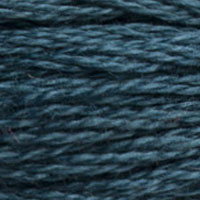
The problem with most gray-greens in cross-stitch is that they can't commit. Put them next to a warm color and they look greenish. Put them next to a cool blue and they look grayish. Put them in isolation and you're not quite sure what you're looking at. DMC 3768, Dark Gray Green, is the exception that earns the category respect. At hex #657F7F, it has enough depth and enough teal content that it reads clearly and consistently — a sophisticated, slightly maritime gray-green that knows exactly what it is.
This is a color that appears frequently in experienced stitchers' stashes even when it doesn't appear on patterns. It's a utility color in the best sense: the kind of thread you reach for when something needs to be muted without being dull, when a color needs to recede without disappearing, when a palette needs a unifying undertone that reads as intelligent rather than muddy.
Color Theory Position
DMC 3768 sits at a precise and useful point on the color wheel: desaturated enough to function as a near-neutral, but retaining enough teal-green character to carry identity. Its complement leans toward warm rust-orange, which makes it a natural background or shadow color in designs featuring DMC 3830 (Terra Cotta) or DMC 3776 (Light Mahogany). The contrast is visually satisfying without being jarring — the kind of classic pairing that appears in traditional Scandinavian textile work and Victorian botanical illustration.
In cooler palettes, 3768 grounds the composition. Pair it with DMC 3760 (Medium Wedgwood) and DMC 3813 (Light Blue Green) for a coastal palette that reads as calm and considered. Use it with DMC 415 (Pearl Gray) and DMC 3072 (Very Light Beaver Gray) for a monochromatic gray-green scheme that's quietly elegant. The versatility here is real — this thread genuinely belongs in multiple palette conversations.
Project and Technique Notes
Botanical and nature-themed pieces are where 3768 most often earns its keep. In plant illustrations, it provides the shadowed-leaf color that sits between bright greens and true blacks. In bird plumage work, it's the color of a Mallard's neck in shadow, or the muted feather tone that makes the bright colors elsewhere pop. In landscape pieces, it's the distant treeline color that provides recession without looking fake.
It's worth mentioning how well 3768 behaves on linen. On natural or antique-white evenweave, its warm gray-green reads beautifully — less cold than it might appear on white Aida, more integrated with the fabric's inherent warmth. Stitchers who work primarily on linen often find that 3768 solves color problems that pure teals and pure grays can't — it bridges the gap between them in a way that flatters the fabric.
For backstitching in botanical designs, 3768 is excellent when you want an outline that's visible but doesn't dominate. Where DMC 3371 (Black Brown) or DMC 310 (Black) would feel heavy-handed, 3768's outline says 'definition' rather than 'border.' This is especially useful in delicate floral work where the fill colors are all soft and the design needs structure without hardness.
Madeira 2508 is the standout here — an exact match that genuinely replicates the character of DMC 3768. If you work regularly with Madeira, this is the thread to stock in 3768's place. The color accuracy is reliable across dye lots in a way that many gray-toned threads aren't, which is worth noting given how dye-lot sensitive desaturated colors can be.
Anchor 779 is rated close but sits notably cooler and slightly more blue in some lots — the gray component shifts toward blue-gray rather than teal-gray. This is a meaningful difference in designs where 3768 needs to communicate green rather than blue. In designs where it's functioning as a neutral or background color, Anchor 779 often works without issue.
Cosmo 982 and Sullivans 45384 are both close. Cosmo 982 can vary between dye lots more than you'd expect in a gray-green — some runs read quite accurately, others skew slightly lighter. Checking your specific skein is worthwhile before using it in a large area.
Within DMC, if 3768 is unavailable, DMC 501 (Dark Blue Green) is a reasonable step in a related but greener direction. DMC 924 (Very Dark Gray Green) — if you need something darker — pushes the same teal-gray quality into a deeper value. DMC 926 (Medium Gray Green) and DMC 927 (Light Gray Green) complete the family with lighter options, though they're noticeably different in value from 3768.
Reference quality
How We Validate This Color Record
Use this page as a reference card for DMC 3768: the structured data, quick conversions, and long-form copy are all tied back to the same stored color record.
- Methodology
- This page renders DMC 3768, its hex value, and every brand equivalent from the site's source-of-truth color record, then checks long-form body copy against those same stored fields.
- Verification status
- Source-field checked. The page content is audited against the stored DMC number, brand equivalents, and match-quality labels before publishing.
- Last reviewed
- 2026-04-20
- Approximation warning
- Screen hex values, thread photos, and cross-brand conversions are reference aids. Dye lots, thread sheen, and fabric color can still shift the result in hand.
Decision guide
When to use the DMC 3768 reference page
This page should help you decide faster between palette planning, brand substitution, and shade comparison without turning the color record into a thin lookup page.
Best for
- + Palette planning when you want the stored DMC 3768 Dark Gray Green record, hex value #657F7F, and linked brand equivalents in one place.
- + Checking the quickest cross-brand shortlist before you buy floss, compare stash substitutes, or route into a more specific conversion page.
- + Finding nearby shades in the greens family before you commit to accents, shading, or background blends.
Watch for
- ! Screen previews are only reference aids. Dark Gray Green can shift on real fabric because thread sheen, stitch coverage, and room lighting change how the color reads.
- ! A stored equivalent is still a shortlist, not a guarantee that two brands will disappear into each other in the same stitched motif.
- ! Older charts, discontinued kit floss, and dye-lot variation can all introduce small but visible differences that the page cannot detect for you.
Before you commit
- Confirm the role of DMC 3768 Dark Gray Green: decide whether you need an exact hero shade, a forgiving background, or a rough stash substitute.
- Compare on project fabric: view the skein or stitched sample on the same fabric count and color you will actually use.
- Use the linked conversion pages next: open the brand-specific pages when you need match-quality caveats before substituting away from the DMC reference.
DMC 3768 FAQ
These questions appear on the page so the FAQ schema stays aligned with what visitors can actually read.
What is the Anchor equivalent of DMC 3768?+
The closest Anchor equivalent to DMC 3768 (Dark Gray Green) is Anchor 779. This is a close match.
What color is DMC 3768?+
DMC 3768 is called "Dark Gray Green" and has a hex color value of #657F7F. It belongs to the greens color family.
What is the Madeira equivalent of DMC 3768?+
The closest Madeira equivalent to DMC 3768 (Dark Gray Green) is Madeira 2508. This is a close match.
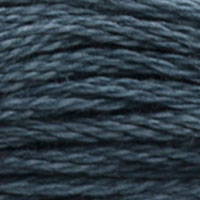
How DMC 3768 Looks on Fabric
The same thread appears different depending on your fabric. Always test on your project fabric.
White Aida
Cream / Ecru
Black Aida
Pairs Well With
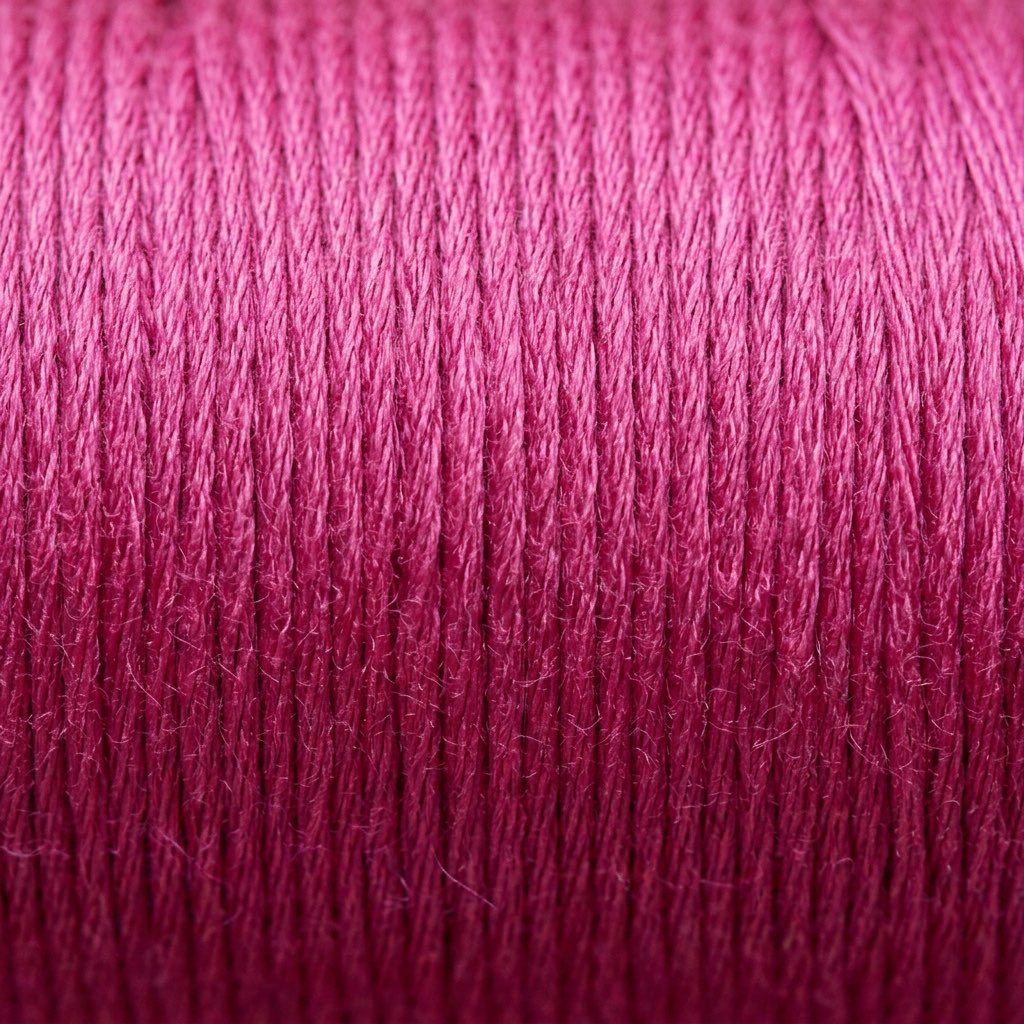
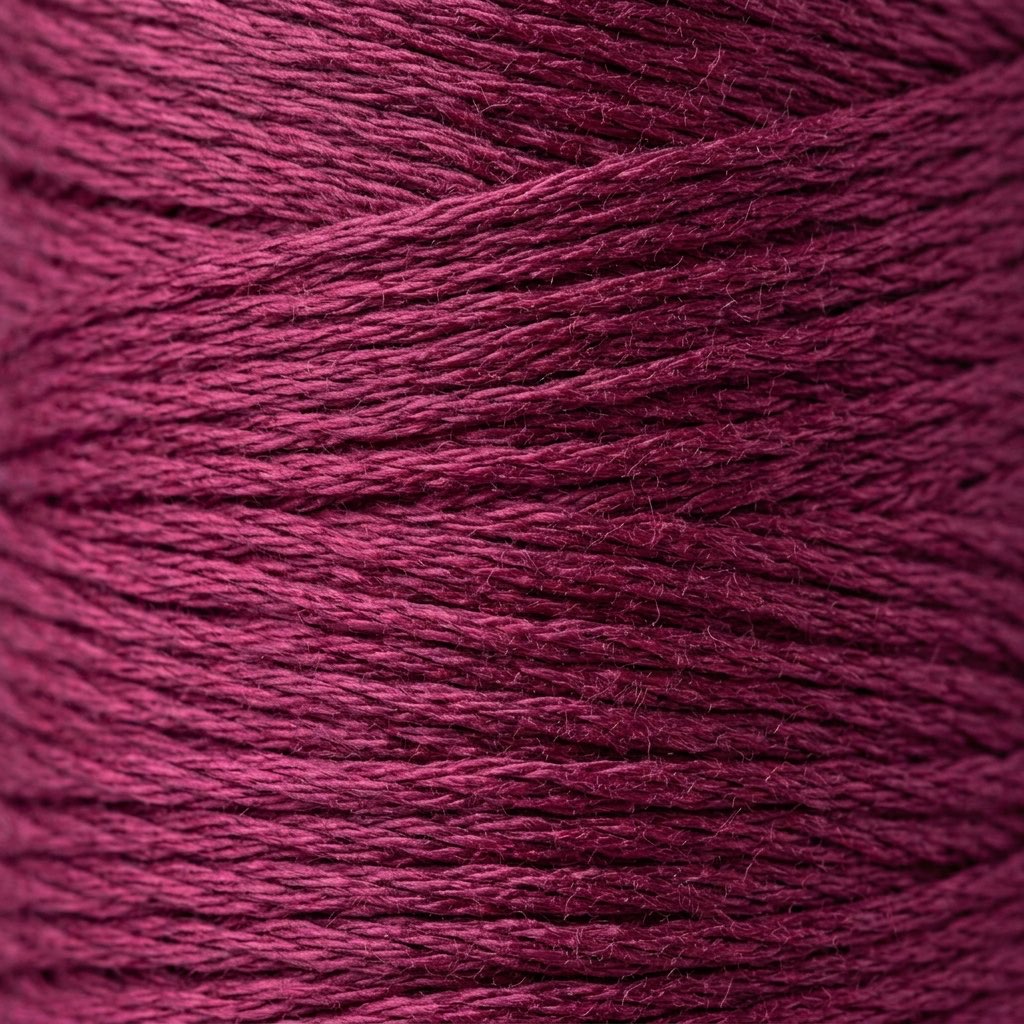
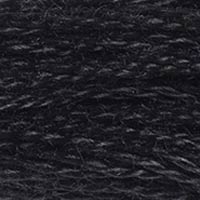
DMC colors commonly used alongside 3768 Dark Gray Green.
Suggested Palette
Shading Companions
Detailed Conversions
Where to Buy DMC 3768
This section contains affiliate links. We may earn a small commission at no cost to you.
Related Guides
Free Printable Thread Conversion Chart
Pick a brand, enter your email, and we'll send you a printable chart mapping all 552 DMC colors to that brand's equivalents. Zero spam, one chart.
Thanks! Here's your free chart:
Download Your ChartOpens in a new tab. Use your browser's Print → Save as PDF.
No spam. Your email is stored securely and never shared.