
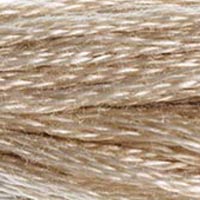
DMC 842 — Very Light Beige Brown
Browns family · Hex #D1BAA1
Quick Conversion Table
| Brand | Equivalent | Match |
|---|---|---|
| Anchor | 1080 | exact |
| Madeira | 1907 | close |
| Cosmo ⚠ | 380 | close |
| Sullivans | 45240 | close |
| J&P Coats | 5933 | close |
| Dimensions | 6842 | close |
| Bucilla | 842 | close |
The color of skin in cross-stitch is one of the craft's more nuanced challenges, and DMC 842 sits at a critical point in that conversation. Very Light Beige Brown at hex #D1BAA1 is frequently used as a skin tone base or highlight for medium-to-light skin tones in portrait and figure cross-stitch — a use that goes largely unmentioned in pattern booklets, which simply list the thread color without context, but which many stitchers discover through community knowledge and FlossTube discussion.
The Palest End of the Beige Brown Family
842 occupies the final, lightest position in the five-step beige brown sequence (838-842). It's noticeably paler than 841 (Light Beige Brown) — the step between them is one of the more visible transitions in the family, partly because at this pale value the color's warmth becomes its most distinctive characteristic. 842 reads more as sandy-peach-beige than as definitive brown, which is precisely what makes it so useful for skin tones, highlight moments in warm-toned rendering, and any application where you need pale warmth without the weight of a full brown value.
For five-step beige brown gradient work, 842 handles the most illuminated surfaces — the direct-light zone on a rounded object, the sun-struck highlight at the top of a wooden sphere, the highlight shimmer on an animal's fur in strong light. Without 842, the gradient terminates at 841 and lacks the final soft note that makes a gradient look complete rather than cut off.
Skin Tones in Figure Cross-Stitch
Portrait cross-stitch is a growing specialty, and the question of how to render skin tones with thread is one that comes up in every related SAL and community discussion. 842 appears in many skin tone systems as the lightest warm tone — the highlight on a cheek, the bright side of a nose, the forehead highlight in side lighting. Combined with DMC 951 (Light Tawny), DMC 3774 (Very Light Desert Sand), or DMC 945 (Tawny) for darker skin tone layers, 842 provides the pale highlight that makes a face read as three-dimensional rather than flat.
The specific skin tone system needed depends on the subject's skin tone, the lighting in the source image, and the stitcher's stylistic goals. 842 tends to appear in systems for medium-light and light skin tones — for very light skin with significant warmth, it can serve as the primary mid-tone; for medium skin, it typically appears only in the highlight areas.
Pale Fur, Feathers, and Natural Textures
Animals with pale warm fur — polar bears in certain lighting, white-tailed deer's pale belly fur, the light-colored rings of a raccoon tail, many domestic cat breeds — use 842 as one of their palest warm tones. It's light enough to read as nearly white while still clearly being warm-toned, which distinguishes it from true white and reads as naturally furry rather than artificial.
Shorebirds, pale-plumaged raptors, and domestic chickens in warm sandy-tan colorings are rendered with 842 in their lighter feather areas. The particular sandy warmth of the color reads as actual feather rather than illustration in ways that a cooler pale tone wouldn't achieve. Stitchers on evenweave linen working with 842 over-two find that the warm linen ground reinforces 842's sandy warmth, creating a pleasing depth even before shadow colors are added.
Best Uses for Very Light Beige Brown (DMC 842)
Cross stitch projects featuring DMC 842 benefit from its unique tonal qualities. When selecting the best cross stitch thread for your design, keep Very Light Beige Brown in mind as a versatile choice that blends perfectly with other shades.
Anchor 1080 and Madeira 1907 both earn exact match ratings, completing the beige brown family's strong cross-brand calibration record. For skin tone work and portrait cross-stitch where color accuracy matters more than usual, having exact matches confirmed across brands is reassuring.
Cosmo 380 and Sullivans 45240 are close matches. At 842's very light, warm value, brand differences become more visible — this is the palest member of the family, and minor undertone shifts show more clearly when the color is this light. Cosmo's silkier thread finish gives their equivalent a slightly different quality in person, which may or may not matter depending on your application. For skin tone work specifically, testing Cosmo against your other skin tone colors before committing is strongly recommended.
Within DMC, 842's neighbors are DMC 841 (Light Beige Brown), which is clearly darker, and white — the jump from 842 to white is larger than you might expect, as 842 is distinctly warm and colored compared to neutral white. If 842 is unavailable and you need something in its range, DMC 3033 (Very Light Mocha Brown) is nearby in value and warmth but reads slightly differently in undertone — a cooler, less sandy quality. DMC 738 (Very Light Tan) is also in this vicinity and worth comparing.
For skin tone applications specifically: if 842 isn't available and you need a very pale warm skin highlight, DMC 951 (Light Tawny) is slightly more peachy in character but sits in a similar value range. Which reads better for your specific subject's skin tone is a matter of comparison rather than formula.
Reference quality
How We Validate This Color Record
Use this page as a reference card for DMC 842: the structured data, quick conversions, and long-form copy are all tied back to the same stored color record.
- Methodology
- This page renders DMC 842, its hex value, and every brand equivalent from the site's source-of-truth color record, then checks long-form body copy against those same stored fields.
- Verification status
- Source-field checked. The page content is audited against the stored DMC number, brand equivalents, and match-quality labels before publishing.
- Last reviewed
- 2026-04-20
- Approximation warning
- Screen hex values, thread photos, and cross-brand conversions are reference aids. Dye lots, thread sheen, and fabric color can still shift the result in hand.
Decision guide
When to use the DMC 842 reference page
This page should help you decide faster between palette planning, brand substitution, and shade comparison without turning the color record into a thin lookup page.
Best for
- + Palette planning when you want the stored DMC 842 Very Light Beige Brown record, hex value #D1BAA1, and linked brand equivalents in one place.
- + Checking the quickest cross-brand shortlist before you buy floss, compare stash substitutes, or route into a more specific conversion page.
- + Finding nearby shades in the browns family before you commit to accents, shading, or background blends.
Watch for
- ! Screen previews are only reference aids. Very Light Beige Brown can shift on real fabric because thread sheen, stitch coverage, and room lighting change how the color reads.
- ! A stored equivalent is still a shortlist, not a guarantee that two brands will disappear into each other in the same stitched motif.
- ! Older charts, discontinued kit floss, and dye-lot variation can all introduce small but visible differences that the page cannot detect for you.
Before you commit
- Confirm the role of DMC 842 Very Light Beige Brown: decide whether you need an exact hero shade, a forgiving background, or a rough stash substitute.
- Compare on project fabric: view the skein or stitched sample on the same fabric count and color you will actually use.
- Use the linked conversion pages next: open the brand-specific pages when you need match-quality caveats before substituting away from the DMC reference.
DMC 842 FAQ
These questions appear on the page so the FAQ schema stays aligned with what visitors can actually read.
What is the Anchor equivalent of DMC 842?+
The closest Anchor equivalent to DMC 842 (Very Light Beige Brown) is Anchor 1080. This is an exact match.
What color is DMC 842?+
DMC 842 is called "Very Light Beige Brown" and has a hex color value of #D1BAA1. It belongs to the browns color family.
What is the Madeira equivalent of DMC 842?+
The closest Madeira equivalent to DMC 842 (Very Light Beige Brown) is Madeira 1907. This is a close match.
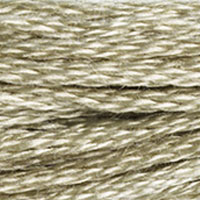
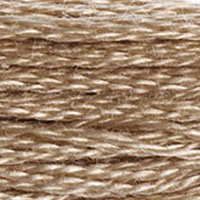
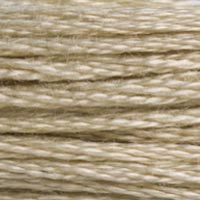
How DMC 842 Looks on Fabric
The same thread appears different depending on your fabric. Always test on your project fabric.
White Aida
Cream / Ecru
Black Aida
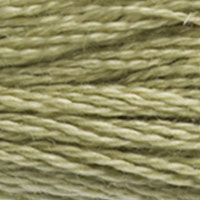
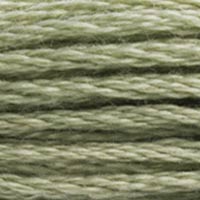
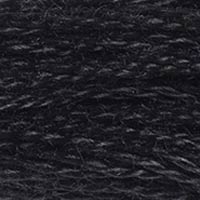
Pairs Well With
DMC colors commonly used alongside 842 Very Light Beige Brown.
Suggested Palette
Shading Companions
Detailed Conversions
Where to Buy DMC 842
This section contains affiliate links. We may earn a small commission at no cost to you.
Related Guides
Free Printable Thread Conversion Chart
Pick a brand, enter your email, and we'll send you a printable chart mapping all 552 DMC colors to that brand's equivalents. Zero spam, one chart.
Thanks! Here's your free chart:
Download Your ChartOpens in a new tab. Use your browser's Print → Save as PDF.
No spam. Your email is stored securely and never shared.