
Quick Conversion Table
| Brand | Equivalent | Match |
|---|---|---|
| Anchor | 1012 | close |
| Madeira | 0405 | close |
| Cosmo ⚠ | 2609 | close |
| Sullivans | 45094 | close |
Where Pink Meets Peach: Salmon's Warm Edge
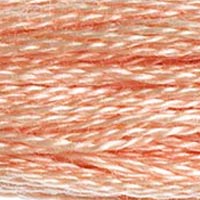
Salmon sits at the crossroads of pink and orange, and DMC 200 parks itself at the lightest, softest end of that intersection. This is barely-there salmon — a whisper of warm peach-pink that reads as gentle and approachable. In the spectrum from cool fuchsia to warm salmon, 200 defines the warm extreme. There's almost no blue in this thread at all. It's all warmth: peach fuzz, apricot sorbet, the inside of a ripe cantaloupe held up to afternoon light.
That extreme warmth gives 200 a personality distinct from the cooler pinks in this value range. Where DMC 151 (Very Light Dusty Rose) is a cool, greyed pale pink and DMC 819 (Light Baby Pink) is a clean, neutral pale pink, 200 brings unmistakable orange warmth. In a palette, this warmth connects it to the peach and coral families more than to the traditional pinks. It bridges those color worlds, making it useful for transitions between pink sections and orange sections in a design.
Practically, this means 200 excels in contexts where warmth matters. Sunset palettes love this thread — it's the color of the sky about ten minutes after the sun dips below the horizon, that warm peachy afterglow before everything turns purple. In a sunset gradient, place 200 between DMC 353 (Peach) and DMC 948 (Very Light Peach) or Blanc for a convincing transition from warm color into pale sky. The thread carries enough salmon identity to register as color rather than just tinted white.
Skin Tones and the Salmon Advantage
For figure work and portraits, very light salmon offers something the cooler pinks cannot. Skin — especially in lighter complexions — often has a warm peach undertone rather than a cool pink one. A face stitched with cool pinks can look slightly cold or unwell, while the same face using warm salmon tones looks healthy and naturally flushed. DMC 200 works as a highlight tone for light skin, providing the sun-kissed warmth you see on cheeks, foreheads, and the bridge of the nose.
In blended needle technique, try one strand of 200 with one strand of DMC 754 (Light Peach) for a nuanced skin tone that has dimension and life. For slightly deeper skin tones, blend 200 with DMC 3778 (Light Terra Cotta) to get warm, glowing highlights that transition believably into the midtones. The salmon character of 200 ensures these blends always read as warm and natural rather than artificially pink.
Beyond faces, 200 handles the warm highlights in flamingo feathers, shrimp and seafood in kitchen-themed designs, salmon fillets (of course — the fish that named the color), and the blush on peaches and apricots. In coral reef designs, it serves as the lightest value for coral structures, carrying enough warmth to connect to the deeper corals and oranges in the palette.
Candy, Confection, and Sweet Treats
There's a whole category of cross-stitch design devoted to cupcakes, macarons, ice cream cones, and candy — and 200 is a workhorse in this territory. The warm peachy-pink reads as inherently edible, like the color of strawberry ice cream that's been sitting in the bowl long enough to start melting toward cream. For macaron designs, 200 provides the pale shell color for peach or rose-flavored varieties. For cupcake frosting, it's the lightest swirl of strawberry buttercream.
Pair it with DMC 3706 (Medium Melon) for a medium pink that works as the shadow tone in sweet treat designs, and DMC 3713 (Very Light Salmon) as an even paler companion for highlights. The warm salmon family keeps food-themed designs looking appetizing — cool pinks can make confections look artificial, but these warm peach-pinks read as genuinely delicious.
The challenge with substituting very light salmon is that "pale" and "warm" can pull in different directions depending on the brand. Some manufacturers achieve pale values by adding white, which cools the color. Others thin the pigment, which can shift the warmth. The result is that two threads labeled "very light salmon" from different brands might land in noticeably different spots on the warm-cool axis.
Anchor 1012 is close and tends to preserve the warm, peachy quality. Madeira 0405 also approaches the right territory, though Madeira's sheen can make pale warm tones appear slightly more saturated than DMC's matte equivalent. Cosmo 2609 captures the salmon zone with Cosmo's typical color accuracy, and Sullivans 45094 rounds out your alternatives.
Since all substitutes here are rated as close rather than exact matches, testing matters more than usual. Stitch a few crosses of your candidate on a scrap of your actual fabric and compare in natural daylight. At this pale value, the surrounding fabric color significantly influences how the thread reads — a thread that looks perfect on white Aida might look too peachy on cream, or too washed-out on natural linen.
Within DMC, your nearest alternatives are DMC 353 (Peach), which is slightly darker and more definitely peach-pink, and DMC 948 (Very Light Peach), which is lighter and less pink. DMC 3713 (Very Light Salmon) is another close relative from the salmon family. None of these is interchangeable with 200, but all live in the warm pale pink neighborhood and could serve depending on how critical the exact shade is to your design. For blended fills and large background areas, the difference between these warm pales is rarely noticeable at normal viewing distance.
Reference quality
How We Validate This Color Record
Use this page as a reference card for DMC 200: the structured data, quick conversions, and long-form copy are all tied back to the same stored color record.
- Methodology
- This page renders DMC 200, its hex value, and every brand equivalent from the site's source-of-truth color record, then checks long-form body copy against those same stored fields.
- Verification status
- Source-field checked. The page content is audited against the stored DMC number, brand equivalents, and match-quality labels before publishing.
- Last reviewed
- 2026-04-20
- Approximation warning
- Screen hex values, thread photos, and cross-brand conversions are reference aids. Dye lots, thread sheen, and fabric color can still shift the result in hand.
Decision guide
When to use the DMC 200 reference page
This page should help you decide faster between palette planning, brand substitution, and shade comparison without turning the color record into a thin lookup page.
Best for
- + Palette planning when you want the stored DMC 200 Very Light Salmon record, hex value #FFC0A0, and linked brand equivalents in one place.
- + Checking the quickest cross-brand shortlist before you buy floss, compare stash substitutes, or route into a more specific conversion page.
- + Finding nearby shades in the pinks family before you commit to accents, shading, or background blends.
Watch for
- ! Screen previews are only reference aids. Very Light Salmon can shift on real fabric because thread sheen, stitch coverage, and room lighting change how the color reads.
- ! A stored equivalent is still a shortlist, not a guarantee that two brands will disappear into each other in the same stitched motif.
- ! Older charts, discontinued kit floss, and dye-lot variation can all introduce small but visible differences that the page cannot detect for you.
Before you commit
- Confirm the role of DMC 200 Very Light Salmon: decide whether you need an exact hero shade, a forgiving background, or a rough stash substitute.
- Compare on project fabric: view the skein or stitched sample on the same fabric count and color you will actually use.
- Use the linked conversion pages next: open the brand-specific pages when you need match-quality caveats before substituting away from the DMC reference.
DMC 200 FAQ
These questions appear on the page so the FAQ schema stays aligned with what visitors can actually read.
What is the Anchor equivalent of DMC 200?+
The closest Anchor equivalent to DMC 200 (Very Light Salmon) is Anchor 1012. This is a close match.
What color is DMC 200?+
DMC 200 is called "Very Light Salmon" and has a hex color value of #FFC0A0. It belongs to the pinks color family.
What is the Madeira equivalent of DMC 200?+
The closest Madeira equivalent to DMC 200 (Very Light Salmon) is Madeira 0405. This is a close match.
How DMC 200 Looks on Fabric
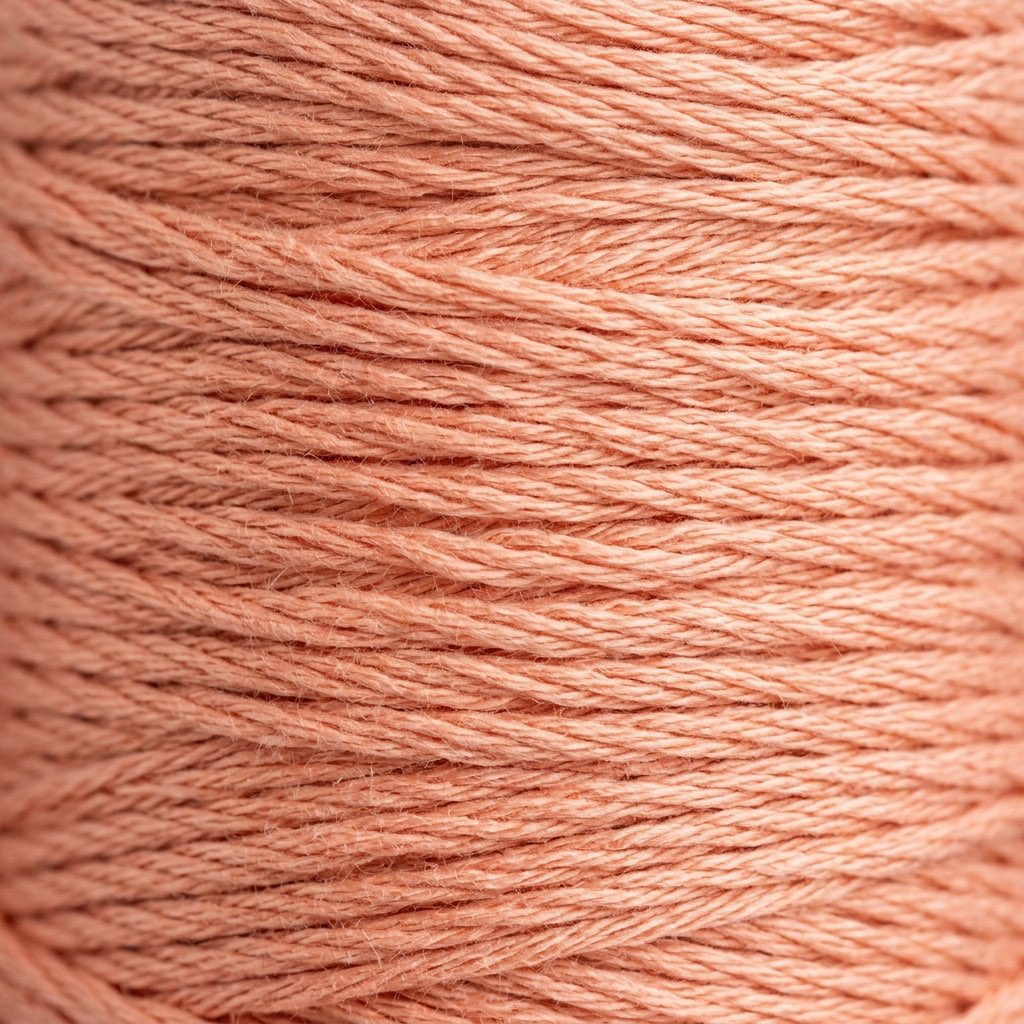
The same thread appears different depending on your fabric. Always test on your project fabric.
White Aida
Cream / Ecru
Black Aida
Pairs Well With
DMC colors commonly used alongside 200 Very Light Salmon.
Suggested Palette
Shading Companions
Detailed Conversions
Where to Buy DMC 200
This section contains affiliate links. We may earn a small commission at no cost to you.
Related Guides
Free Printable Thread Conversion Chart
Pick a brand, enter your email, and we'll send you a printable chart mapping all 552 DMC colors to that brand's equivalents. Zero spam, one chart.
Thanks! Here's your free chart:
Download Your ChartOpens in a new tab. Use your browser's Print → Save as PDF.
No spam. Your email is stored securely and never shared.