
DMC 104 — Variegated Lavender Blue
Purples family · Hex #8880B8
Quick Conversion Table
| Brand | Equivalent | Match |
|---|---|---|
| Anchor | 117 | close |
| Madeira | 0901 | close |
| Cosmo ⚠ | 2649 | close |
| Sullivans | 45434 | close |
Where Blue Ends and Purple Begins
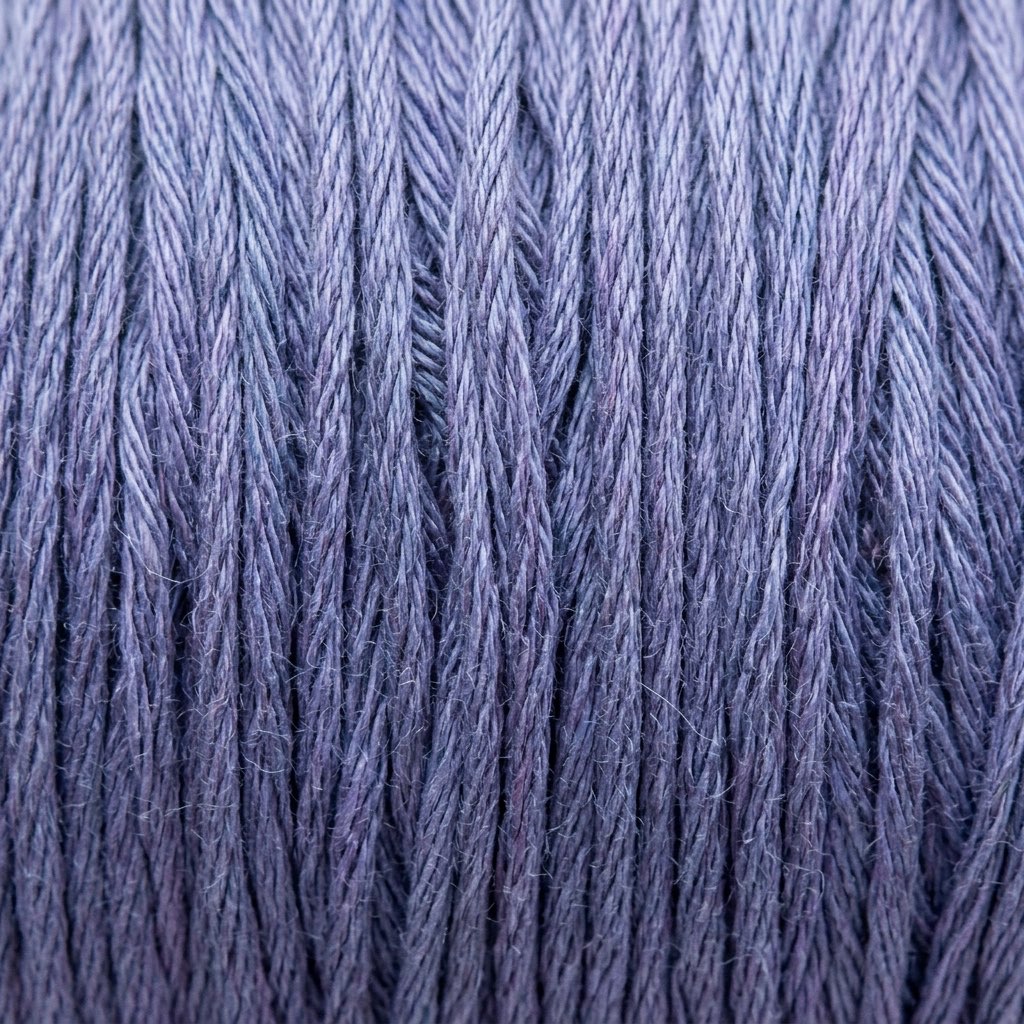
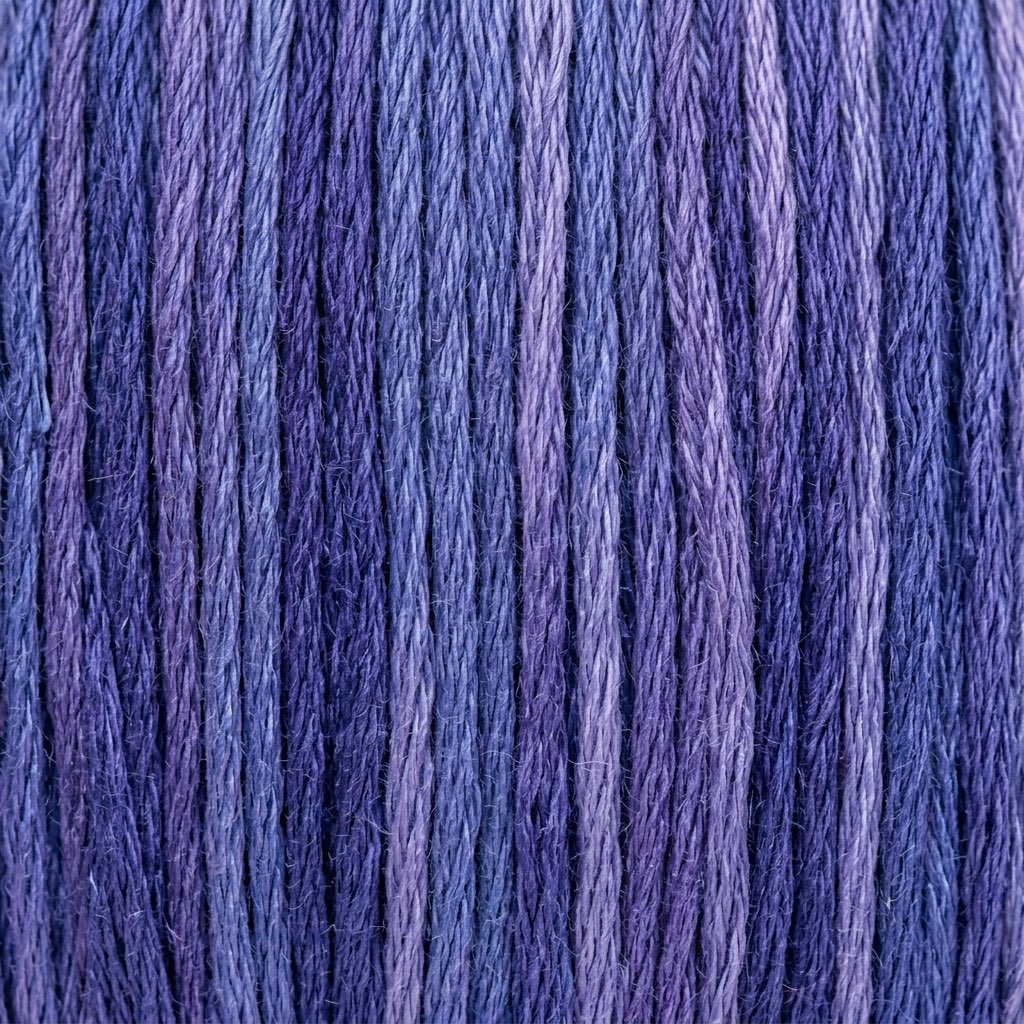
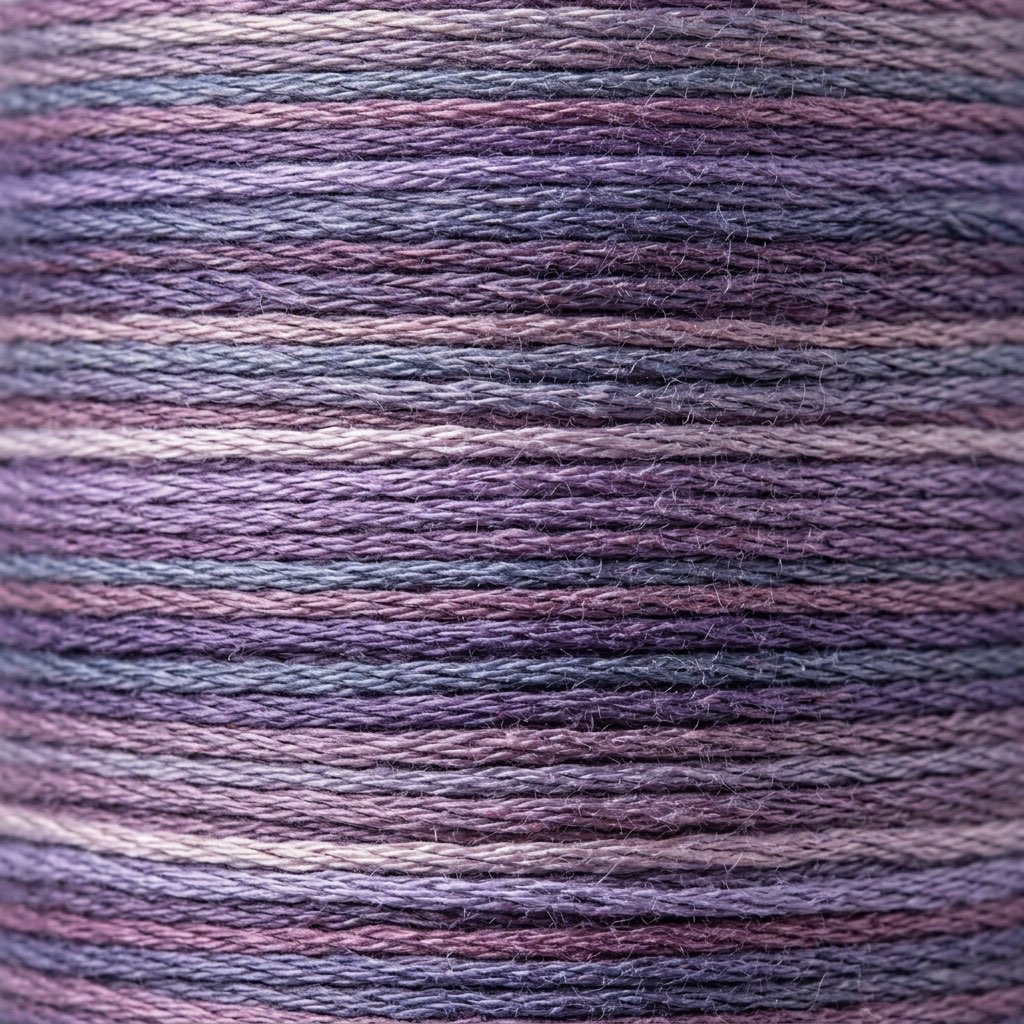
DMC 104 Variegated Lavender Blue lives on one of the most contested boundaries in the color world. Is it blue? Is it purple? The honest answer is that it depends on the light, the fabric, and probably your mood. Its hex midpoint of #8880B8 puts it in that ambiguous zone where blue and violet overlap — close to periwinkle, cousins with wisteria, not quite either. And because it's variegated, shifting through lighter and darker values within that blue-violet range, it never settles the argument. It just keeps asking the question across every stitch.
This ambiguity is actually the thread's greatest asset. In nature, very few purples are unambiguously purple. Hydrangeas lean blue in acidic soil and pink in alkaline. Delphiniums register as blue to some eyes and violet to others. The sky at the exact moment between twilight and night — that fleeting purple hour — refuses to commit to one side or the other. DMC 104 captures that transitional quality, making it ideal for any design that lives in the borderlands between blue and purple.
Practical Applications for a Border-Dwelling Thread
Fantasy and fairy tale designs are a natural home for 104. The color range it moves through evokes magical twilight, enchanted forests, wizard robes, and dragon scales that shift color in the light. Used as a background fill for fantasy scenes, it creates an atmospheric quality that solid threads simply cannot achieve — a sense that the air itself is shimmering with magical energy. Pair it with DMC 3820 (Dark Straw) or DMC 3852 (Very Dark Straw) for gold accents that suggest candlelight or magical sparks against that mystical purple-blue backdrop.
For floral work, 104 excels at rendering hydrangea clusters. Real hydrangeas display exactly this kind of blue-to-violet variation within a single flower head, and using 104 lets you capture that natural color play without managing a dozen different thread colors. A single variegated thread does what would otherwise require careful blending of DMC 340 (Medium Blue Violet), DMC 341 (Light Blue Violet), and DMC 3746 (Dark Blue Violet) — and it does it with the organic randomness that real flowers display.
The thread also works well for water reflections at dusk. When stitching sunset or twilight water scenes, the surface often picks up both blue from the darkening sky and purple-pink from the remaining sunset light. DMC 104 creates that interplay naturally, especially when combined with solid blues like DMC 3838 (Dark Lavender Blue) in the deeper water areas and lighter touches of DMC 3747 (Very Light Blue Violet) where the light catches the surface.
Stitching Technique and Fabric Choices
On white Aida, DMC 104 reads as distinctly purple-blue — the high-contrast background emphasizes the cooler blue tones in its range. On natural linen or cream evenweave, the warm fabric shifts the perception toward purple, as the yellow in the fabric base interacts with the blue components and pushes the overall read warmer. This is worth considering carefully: the same thread on two different fabrics can read as fundamentally different colors.
Cross-country stitching with 104 produces a confetti-like effect that works beautifully for impressionistic pieces — think Monet's water lilies or Seurat-style pointillism. Danish method creates more visible color banding that can suggest rippling water or wind movement. For sky areas in landscape pieces, Danish method stitched horizontally creates a convincing atmospheric gradient that suggests the color shifts of a real twilight sky.
If you find the variegation too dramatic for your needs, blending one strand of 104 with one strand of DMC 155 (Medium Blue Violet) anchors the color and reduces the range of variation. You still get movement and life in the stitched area, but the solid strand prevents the color from shifting too far in either direction. This blended needle approach is particularly effective on higher-count fabrics where each stitch is small and abrupt color changes between individual crosses can look jarring.
The Blue-Violet Substitution Challenge
Any thread that sits on the blue-purple border is inherently difficult to match, and adding variegation to the equation makes it doubly so. With DMC 104, you need a substitute that not only hits the right hue range but also maintains that blue-violet ambiguity — lean too far toward blue and you lose the purple character; lean too far toward purple and you lose the ethereal, twilight quality.
Anchor 117 is a close match. Anchor's version tends to sit slightly more firmly on the blue side of the line, which may or may not suit your design. For projects where 104 is used as a background wash or atmospheric element, the slight blue shift is unlikely to matter. For floral work where the specific lavender-blue quality is important, test it against your other thread colors before committing.
Madeira 0901 offers a close match with a slightly silkier sheen that can emphasize the blue tones in certain lighting. The transition pattern may differ from DMC's — Madeira variegated threads sometimes shift more gradually, which can produce a subtler effect on larger areas. Cosmo 2649 is also close, with Cosmo's characteristically softer hand creating a slightly different surface texture.
For a solid thread approximation, DMC 155 (Medium Blue Violet) captures the midpoint of 104's range reasonably well, though you obviously lose the variegation effect. Using a blended needle of DMC 155 with DMC 156 (Medium Light Blue Violet) creates a tweedy, heathered texture that suggests some of the tonal variation without true variegation. Alternating rows between DMC 340 (Medium Blue Violet) and DMC 3746 (Dark Blue Violet) is another approach that preserves some visual movement.
Reference quality
How We Validate This Color Record
Use this page as a reference card for DMC 104: the structured data, quick conversions, and long-form copy are all tied back to the same stored color record.
- Methodology
- This page renders DMC 104, its hex value, and every brand equivalent from the site's source-of-truth color record, then checks long-form body copy against those same stored fields.
- Verification status
- Source-field checked. The page content is audited against the stored DMC number, brand equivalents, and match-quality labels before publishing.
- Last reviewed
- 2026-04-20
- Approximation warning
- Screen hex values, thread photos, and cross-brand conversions are reference aids. Dye lots, thread sheen, and fabric color can still shift the result in hand.
Decision guide
When to use the DMC 104 reference page
This page should help you decide faster between palette planning, brand substitution, and shade comparison without turning the color record into a thin lookup page.
Best for
- + Palette planning when you want the stored DMC 104 Variegated Lavender Blue record, hex value #8880B8, and linked brand equivalents in one place.
- + Checking the quickest cross-brand shortlist before you buy floss, compare stash substitutes, or route into a more specific conversion page.
- + Finding nearby shades in the purples family before you commit to accents, shading, or background blends.
Watch for
- ! Screen previews are only reference aids. Variegated Lavender Blue can shift on real fabric because thread sheen, stitch coverage, and room lighting change how the color reads.
- ! A stored equivalent is still a shortlist, not a guarantee that two brands will disappear into each other in the same stitched motif.
- ! Older charts, discontinued kit floss, and dye-lot variation can all introduce small but visible differences that the page cannot detect for you.
Before you commit
- Confirm the role of DMC 104 Variegated Lavender Blue: decide whether you need an exact hero shade, a forgiving background, or a rough stash substitute.
- Compare on project fabric: view the skein or stitched sample on the same fabric count and color you will actually use.
- Use the linked conversion pages next: open the brand-specific pages when you need match-quality caveats before substituting away from the DMC reference.
DMC 104 FAQ
These questions appear on the page so the FAQ schema stays aligned with what visitors can actually read.
What is the Anchor equivalent of DMC 104?+
The closest Anchor equivalent to DMC 104 (Variegated Lavender Blue) is Anchor 117. This is a close match.
What color is DMC 104?+
DMC 104 is called "Variegated Lavender Blue" and has a hex color value of #8880B8. It belongs to the purples color family.
What is the Madeira equivalent of DMC 104?+
The closest Madeira equivalent to DMC 104 (Variegated Lavender Blue) is Madeira 0901. This is a close match.
How DMC 104 Looks on Fabric
The same thread appears different depending on your fabric. Always test on your project fabric.
White Aida
Cream / Ecru
Black Aida
Pairs Well With
DMC colors commonly used alongside 104 Variegated Lavender Blue.
Suggested Palette
Shading Companions
Detailed Conversions
Where to Buy DMC 104
This section contains affiliate links. We may earn a small commission at no cost to you.
Related Guides
Free Printable Thread Conversion Chart
Pick a brand, enter your email, and we'll send you a printable chart mapping all 552 DMC colors to that brand's equivalents. Zero spam, one chart.
Thanks! Here's your free chart:
Download Your ChartOpens in a new tab. Use your browser's Print → Save as PDF.
No spam. Your email is stored securely and never shared.