
Quick Conversion Table
| Brand | Equivalent | Match |
|---|---|---|
| Anchor | 257 | exact |
| Madeira | 1412 | close |
| Cosmo ⚠ | 327 | close |
| Sullivans | 45254 | close |
| J&P Coats | 6258 | close |
| Dimensions | 6062 | close |
| Bucilla | 905 | close |
| Candamar | 6059 | close |
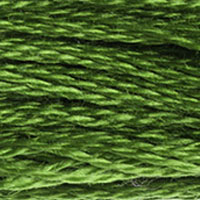
In gradient shading, the second color from the darkest end of a value range is often the hardest one to place correctly. Go too dark and it blends into the shadow; too light and the jump from your darkest color reads as a gap rather than a smooth transition. DMC 905 Dark Parrot Green hits that sweet spot precisely. It's meaningfully lighter than DMC 904 (Very Dark Parrot Green) — the step is visible and intentional — but it still reads as a "dark" green, carrying enough depth to hold the shadowed mid-sections of leaves and foliage without losing the vividness that makes the Parrot Green family distinctive.
This particular shade lands at roughly mid-forest in luminosity: darker than the sunlit greens you'd use for tops of leaves, lighter than the near-black undergrowth tones. It's the color of the shaded side of a palm frond in afternoon light, or the darker parts of a grass blade bending away from the sun. The yellow component keeps it from feeling cold — this is unmistakably warm green, sitting on the yellow-green axis rather than the blue-green axis.
Pattern Frequency and Common Uses
DMC 905 appears with some regularity in commercial cross-stitch patterns, often showing up alongside its lighter sibling DMC 906 (Medium Parrot Green) for basic two-tone leaf fills, and forming a trio with 906 and DMC 907 (Light Parrot Green) for more detailed botanical rendering. It's a go-to shade for pattern designers who want tropical or springtime energy without committing to exotic colors — 905 has enough natural green quality that it reads as woodland or garden foliage, not just as a stylized color family.
Seasonal and holiday designs find 905 useful for holly leaves, Christmas ferns, and the more naturalistic green elements in winter botanical compositions. Paired with DMC 321 (Christmas Red) and DMC 3818 (Ultra Very Dark Emerald Green), it creates a contemporary holiday palette with more dimension than the traditional flat greens and reds.
Stitchers working on nature journals — the trend of stitching pressed flower and insect specimens in a naturalist style — frequently use 905 for the deeper green elements in botanical subjects: the veins in a fern frond, the shadowed edge of a succulent leaf, the stem of a flower where it enters shadow.
Pairing and Palette Notes
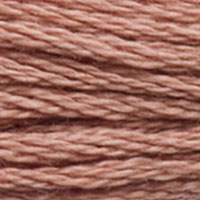
The Parrot Green family works naturally with warm complementary colors — the red-violet and magenta range gives excellent contrast without feeling harsh. DMC 917 (Medium Plum) and DMC 915 (Dark Plum) both pair unexpectedly well with 905 in botanical designs where plum-colored berries or flowers accompany green foliage. The complementary relationship gives vibrancy; the shared warmth in both colors keeps the composition from feeling jarring.
Within the green families, 905 bridges comfortably between the Parrot Greens and the Avocado Green family. Placing DMC 937 (Medium Avocado Green) next to 905 creates a subtle shift from yellow-green toward olive that works well in mixed-foliage designs. For cross-country stitching across a large foliage area, alternating between 905 and nearby DMC avocado shades adds naturalistic variation without introducing a visually disruptive color break.
DMC 905 enjoys reliable exact-match equivalents in both Anchor (257) and Madeira (1412), which makes it one of the easier greens to source in alternative brands. Anchor 257 in particular is well-regarded, and the full Anchor 258-257-256-255 sequence mirrors the DMC 904-905-906-907 Parrot Green family closely enough to support consistent gradient work across brands.
Cosmo 327 rates as close rather than exact. In practice the difference is modest — the Cosmo version may read with a very slightly different yellow-green balance — but for typical foliage fill work the distinction won't be significant. Sullivans 45254 similarly rates close and performs adequately for most applications.
If you're supplementing a partially completed project and need to match existing DMC 905 stitches, stick to DMC if at all possible — the exact dye formulation matters more when you're matching thread already in fabric than when you're planning a new project. For new projects, Anchor 257 and Madeira 1412 are both reliable substitutes.
Within DMC, the nearest alternatives to 905 if it's unavailable are DMC 904 (one step darker, Very Dark Parrot Green) or DMC 906 (one step lighter, Medium Parrot Green). Neither is a satisfying substitute in shading work where 905 occupies a specific value step, but for simpler two-color leaf fills where 905 serves as the sole dark green, either adjacent shade can substitute adequately.
Reference quality
How We Validate This Color Record
Use this page as a reference card for DMC 905: the structured data, quick conversions, and long-form copy are all tied back to the same stored color record.
- Methodology
- This page renders DMC 905, its hex value, and every brand equivalent from the site's source-of-truth color record, then checks long-form body copy against those same stored fields.
- Verification status
- Source-field checked. The page content is audited against the stored DMC number, brand equivalents, and match-quality labels before publishing.
- Last reviewed
- 2026-04-20
- Approximation warning
- Screen hex values, thread photos, and cross-brand conversions are reference aids. Dye lots, thread sheen, and fabric color can still shift the result in hand.
Decision guide
When to use the DMC 905 reference page
This page should help you decide faster between palette planning, brand substitution, and shade comparison without turning the color record into a thin lookup page.
Best for
- + Palette planning when you want the stored DMC 905 Dark Parrot Green record, hex value #628A28, and linked brand equivalents in one place.
- + Checking the quickest cross-brand shortlist before you buy floss, compare stash substitutes, or route into a more specific conversion page.
- + Finding nearby shades in the greens family before you commit to accents, shading, or background blends.
Watch for
- ! Screen previews are only reference aids. Dark Parrot Green can shift on real fabric because thread sheen, stitch coverage, and room lighting change how the color reads.
- ! A stored equivalent is still a shortlist, not a guarantee that two brands will disappear into each other in the same stitched motif.
- ! Older charts, discontinued kit floss, and dye-lot variation can all introduce small but visible differences that the page cannot detect for you.
Before you commit
- Confirm the role of DMC 905 Dark Parrot Green: decide whether you need an exact hero shade, a forgiving background, or a rough stash substitute.
- Compare on project fabric: view the skein or stitched sample on the same fabric count and color you will actually use.
- Use the linked conversion pages next: open the brand-specific pages when you need match-quality caveats before substituting away from the DMC reference.
DMC 905 FAQ
These questions appear on the page so the FAQ schema stays aligned with what visitors can actually read.
What is the Anchor equivalent of DMC 905?+
The closest Anchor equivalent to DMC 905 (Dark Parrot Green) is Anchor 257. This is an exact match.
What color is DMC 905?+
DMC 905 is called "Dark Parrot Green" and has a hex color value of #628A28. It belongs to the greens color family.
What is the Madeira equivalent of DMC 905?+
The closest Madeira equivalent to DMC 905 (Dark Parrot Green) is Madeira 1412. This is a close match.
How DMC 905 Looks on Fabric
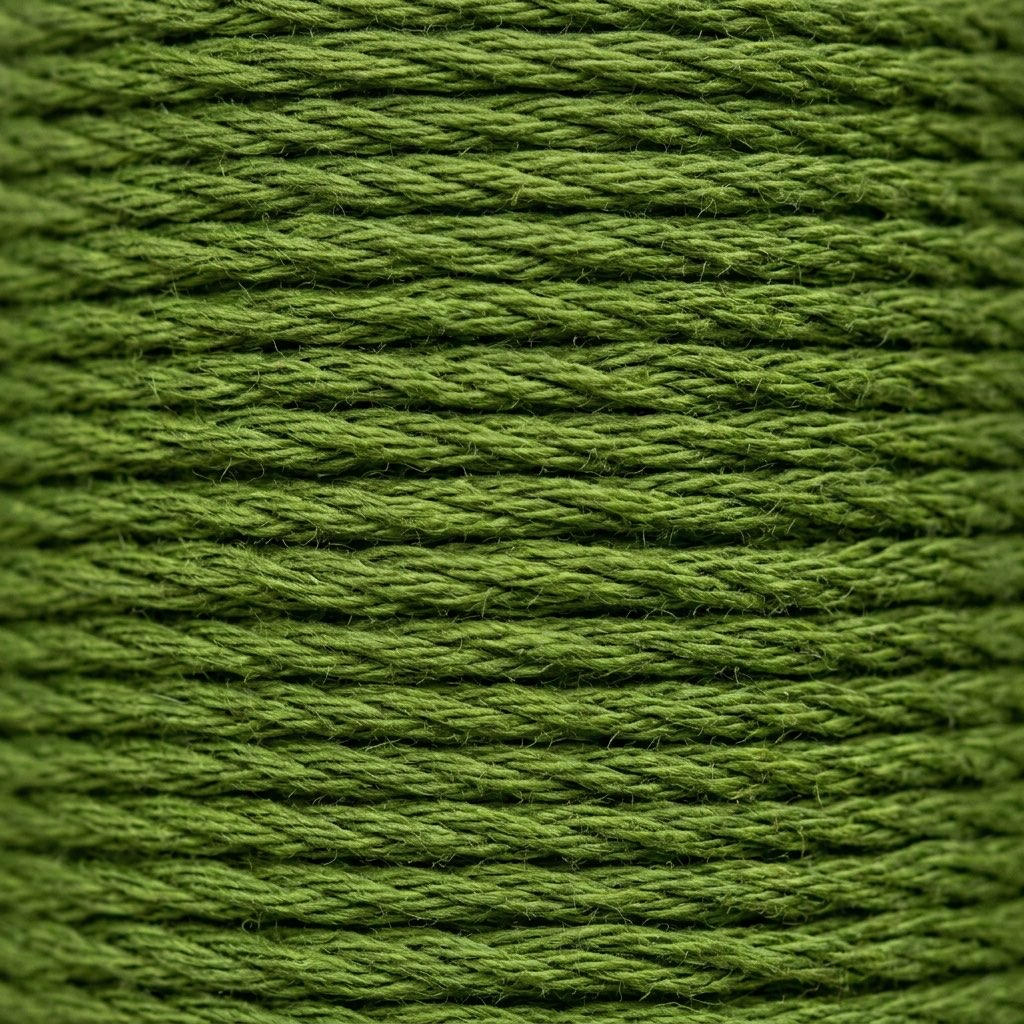
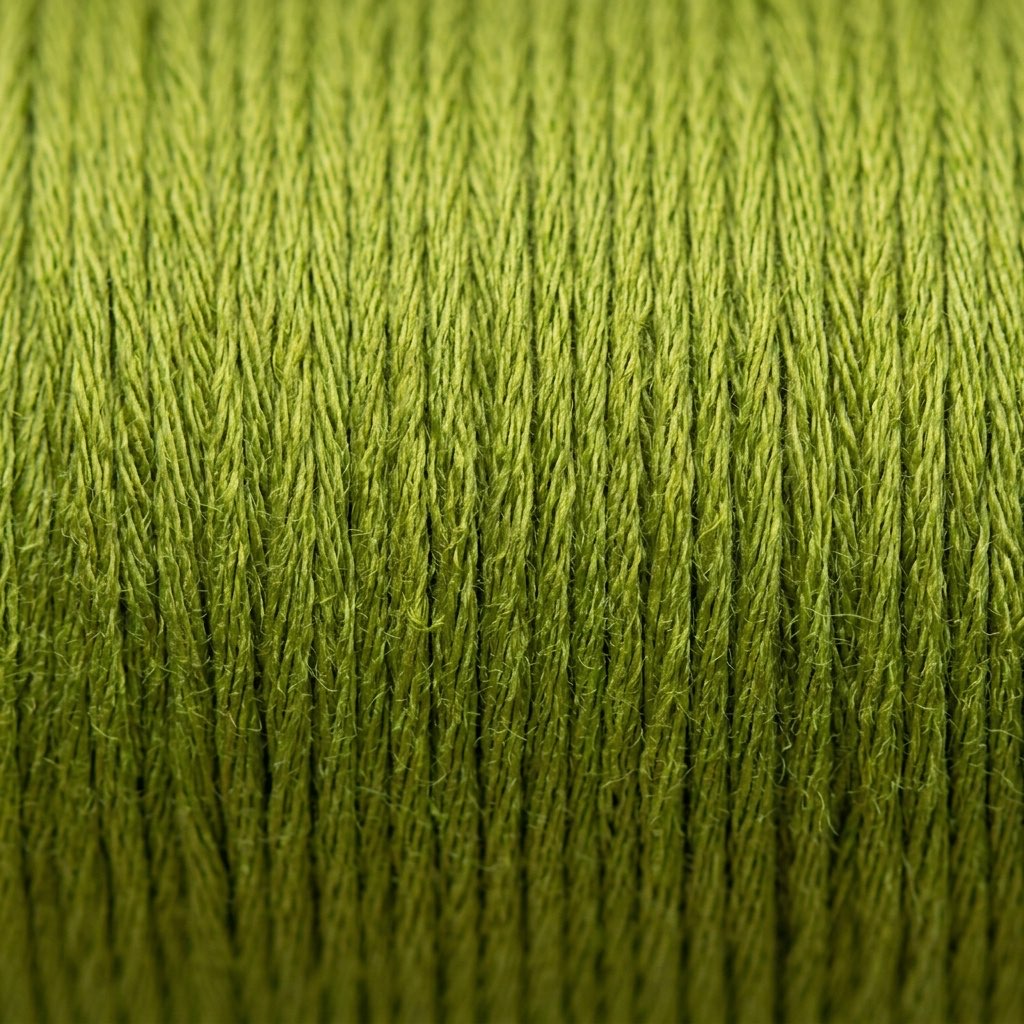
The same thread appears different depending on your fabric. Always test on your project fabric.
White Aida
Cream / Ecru
Black Aida
Pairs Well With
DMC colors commonly used alongside 905 Dark Parrot Green.
Suggested Palette
Shading Companions
Detailed Conversions
Where to Buy DMC 905
This section contains affiliate links. We may earn a small commission at no cost to you.
Related Guides
Free Printable Thread Conversion Chart
Pick a brand, enter your email, and we'll send you a printable chart mapping all 552 DMC colors to that brand's equivalents. Zero spam, one chart.
Thanks! Here's your free chart:
Download Your ChartOpens in a new tab. Use your browser's Print → Save as PDF.
No spam. Your email is stored securely and never shared.