
Quick Conversion Table
| Brand | Equivalent | Match |
|---|---|---|
| Anchor | 231 | close |
| Madeira | 1803 | close |
| Cosmo ⚠ | 176 | close |
| Sullivans | 45336 | close |
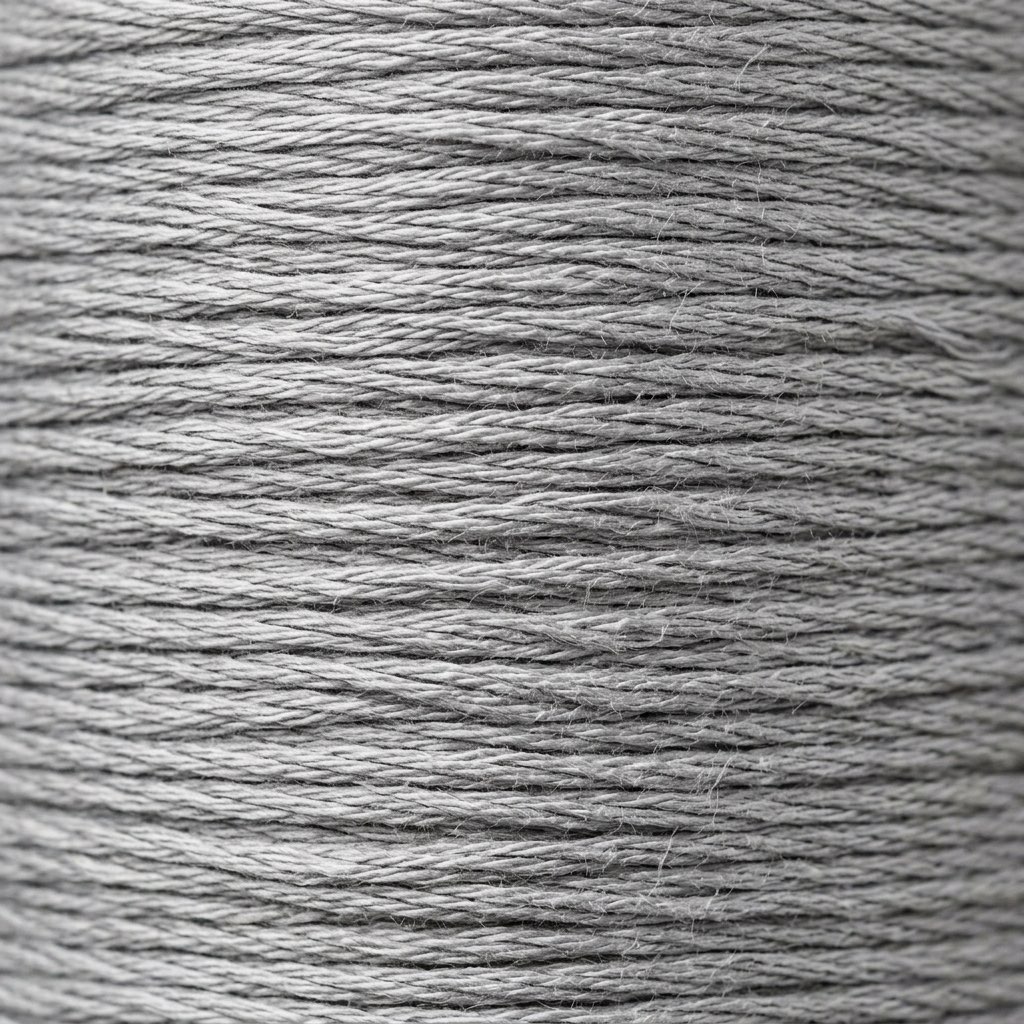
The light side of a gray stone wall. The belly feathers of a mockingbird. Aged pewter that's been handled for decades. Foggy morning sky above the horizon. DMC 861 — Light Gray at hex #ACACAC — captures the quality of gray that has been through experience, that reads as slightly aged and honestly neutral rather than bright and clinical. It's a step lighter than DMC 860 (Medium Gray) and considerably more useful as a standalone design color because it sits in the zone where gray reads as light and airy rather than heavy and structural.
The Light Neutral in Atmospheric Work
Fog, mist, overcast sky, and winter gray are all natural phenomena that cross-stitch designers need to represent convincingly in landscape work. 861 handles the mid-to-light portions of these atmospheric effects — the areas that aren't the darkest gray of storm clouds but aren't the near-white of bright overcast either. A foggy mountain scene might use DMC 844 (Ultra Dark Beaver Gray) for the densest fog tones, DMC 860 (Medium Gray) for the mid-fog body, and 861 for the thinning fog areas where the pale light is starting to diffuse through. This three-gray fog system creates a convincing depth-through-atmosphere effect that's fundamental to landscape work with atmospheric perspective.
Ocean and water scenes in gray — stormy seas, rocky coastal work, overcast harbor scenes — use 861 in the lighter wave crests and foam areas. Stormy sea designs can feel flat if they don't include genuine light notes; 861 provides the gray-light that makes a stormy ocean look like it has movement and scale rather than flat gray coverage.
Bird and Wildlife Applications
Many bird species have pale gray plumage that reads clearly as 861's value: ring-billed gulls, white-crowned sparrows, gray catbirds, and many pigeon varieties all have primary plumage in the light-gray range. For wildlife cross-stitch focused on these birds, 861 serves as the primary body color. Paired with DMC 844 (Ultra Dark Beaver Gray) for wing and back feather shadows and DMC 762 (Very Light Pearl Gray) for highlight feather edges, 861 gives bird portraits their primary gray identity.
Domestic cat cross-stitch — a consistently popular subject in the community — uses 861 for gray cat breeds in their lighter fur zones. British Shorthairs, Russian Blues, and other gray domestic cats have primary fur color in a range that includes 861. A three-tone system of 844 for the deepest shadow fur, 860 or 317 (Pewter Gray) for the main body coat, and 861 for highlight fur areas creates convincing cat portraiture that FlossTube stitchers and cross-stitch portrait specialists regularly employ.
Contemporary Minimalist Design
The cross-stitch community's ongoing embrace of modern, minimal, and Scandinavian-inspired design aesthetics reaches for neutral gray families constantly. 861 appears in these contexts as the primary light neutral that anchors a restrained palette — paired with near-white and a single accent color, 861 creates designs that feel contemporary and calm rather than traditionally busy. Geometric patterns, abstract botanical motifs, and architectural line drawings all use 861 in this way.
Typography and letter-focused cross-stitch pieces that want a soft, muted look rather than the hard contrast of black on white use 861 as their text color. Words and initials stitched in 861 read clearly from a moderate distance while having an understated, sophisticated quality that solid black lacks.
Best Uses for Light Gray (DMC 861)
Cross stitch projects featuring DMC 861 benefit from its unique tonal qualities. When selecting the best cross stitch thread for your design, keep Light Gray in mind as a versatile choice that blends perfectly with other shades.
Like 860, all major brand equivalents earn only close ratings for 861 — a pattern that suggests the 860-861-862 gray range represents a section of the gray scale where the manufacturers have calibrated their equivalents differently. The differences are minor but consistent enough that none earns exact match status.
Anchor 231 is the standard equivalent, tracking close in value. Madeira 1803 follows similarly. Neither is notably wrong as a substitute, but in designs where 861's specific neutral-with-slight-warmth character is doing precise tonal work, the close matches may read differently in your specific lighting conditions.
Cosmo 176 and Sullivans 45336 are both close, with Cosmo's thread finish potentially creating a slightly more luminous-looking gray. For gray work where sheen is a consideration — any piece where the matte quality of DMC's 861 is part of its character — testing Cosmo's equivalent before committing is worthwhile.
Within DMC, the natural neighbors are DMC 860 (Medium Gray), which is clearly darker, and DMC 862 (Very Light Gray), which is lighter. The 860-861-862 sequence forms a three-step light gray progression that handles most light-gray rendering needs. If 861 is unavailable, DMC 318 (Light Steel Gray) is worth comparing — it's in the same value zone but has a cooler, more blue-leaning undertone that may or may not serve your design. DMC 415 (Pearl Gray) is another option, also slightly different in undertone character but close enough in value to substitute in many contexts.
Reference quality
How We Validate This Color Record
Use this page as a reference card for DMC 861: the structured data, quick conversions, and long-form copy are all tied back to the same stored color record.
- Methodology
- This page renders DMC 861, its hex value, and every brand equivalent from the site's source-of-truth color record, then checks long-form body copy against those same stored fields.
- Verification status
- Source-field checked. The page content is audited against the stored DMC number, brand equivalents, and match-quality labels before publishing.
- Last reviewed
- 2026-04-20
- Approximation warning
- Screen hex values, thread photos, and cross-brand conversions are reference aids. Dye lots, thread sheen, and fabric color can still shift the result in hand.
Decision guide
When to use the DMC 861 reference page
This page should help you decide faster between palette planning, brand substitution, and shade comparison without turning the color record into a thin lookup page.
Best for
- + Palette planning when you want the stored DMC 861 Light Gray record, hex value #ACACAC, and linked brand equivalents in one place.
- + Checking the quickest cross-brand shortlist before you buy floss, compare stash substitutes, or route into a more specific conversion page.
- + Finding nearby shades in the neutrals family before you commit to accents, shading, or background blends.
Watch for
- ! Screen previews are only reference aids. Light Gray can shift on real fabric because thread sheen, stitch coverage, and room lighting change how the color reads.
- ! A stored equivalent is still a shortlist, not a guarantee that two brands will disappear into each other in the same stitched motif.
- ! Older charts, discontinued kit floss, and dye-lot variation can all introduce small but visible differences that the page cannot detect for you.
Before you commit
- Confirm the role of DMC 861 Light Gray: decide whether you need an exact hero shade, a forgiving background, or a rough stash substitute.
- Compare on project fabric: view the skein or stitched sample on the same fabric count and color you will actually use.
- Use the linked conversion pages next: open the brand-specific pages when you need match-quality caveats before substituting away from the DMC reference.
DMC 861 FAQ
These questions appear on the page so the FAQ schema stays aligned with what visitors can actually read.
What is the Anchor equivalent of DMC 861?+
The closest Anchor equivalent to DMC 861 (Light Gray) is Anchor 231. This is a close match.
What color is DMC 861?+
DMC 861 is called "Light Gray" and has a hex color value of #ACACAC. It belongs to the neutrals color family.
What is the Madeira equivalent of DMC 861?+
The closest Madeira equivalent to DMC 861 (Light Gray) is Madeira 1803. This is a close match.
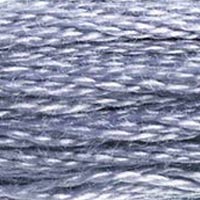
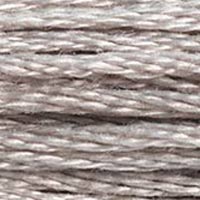
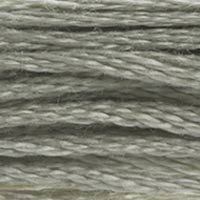
How DMC 861 Looks on Fabric
The same thread appears different depending on your fabric. Always test on your project fabric.
White Aida
Cream / Ecru
Black Aida
Pairs Well With
DMC colors commonly used alongside 861 Light Gray.
Suggested Palette
Shading Companions
Detailed Conversions
Where to Buy DMC 861
This section contains affiliate links. We may earn a small commission at no cost to you.
Related Guides
Free Printable Thread Conversion Chart
Pick a brand, enter your email, and we'll send you a printable chart mapping all 552 DMC colors to that brand's equivalents. Zero spam, one chart.
Thanks! Here's your free chart:
Download Your ChartOpens in a new tab. Use your browser's Print → Save as PDF.
No spam. Your email is stored securely and never shared.