
Quick Conversion Table
| Brand | Equivalent | Match |
|---|---|---|
| Anchor | 234 | close |
| Madeira | 1804 | close |
| Cosmo ⚠ | 177 | close |
| Sullivans | 45337 | close |
Gray fabric for cross-stitch backgrounds has a specific property that plain white doesn't: it makes pale threads visible. Any stitcher who has struggled to see white stitching on white Aida, or who has lost track of DMC 762 (Very Light Pearl Gray) against a cream ground, understands this immediately. DMC 862 — Very Light Gray at hex #C4C4C4 — solves a related problem from the thread side: it provides the lightest working gray that still has enough presence to be seen while stitching, enough character to read as a distinct color in the finished piece, and enough neutrality to play nicely with virtually everything around it.
The Highest-Value Useful Gray
In the 860-861-862 sequence, 862 is the terminal light end — the palest neutral gray before you cross into near-white territory. This position at the light extreme gives it a specific role: it functions wherever a gray value is needed but must read as light and airy rather than substantial. Shadow areas in white objects, the faintest gray in a sky that's almost completely pale, the highlight edge of a gray subject where light makes the color nearly disappear — all of these call for 862.
862's near-white quality makes it particularly useful for establishing the "white" areas in designs where actual white would look too stark. A white dog portrayed in full color doesn't use white thread — it uses a range of near-whites and very light grays, of which 862 might represent one of the darker mid-tones. The interaction of multiple pale values creates the impression of white more convincingly than a single solid white fill would.
Ghost Effects and Transparency Simulation
Some experienced stitchers use 862 for a technique sometimes called "ghost stitching" — sparse cross-stitching in a very pale color over an already-stitched area to create the impression of texture, reflection, or translucency. A glass jar or window pane in cross-stitch benefits from sparse 862 stitches over the background to suggest glass without fully obscuring the background image behind it. A snow-dusted surface might have loose 862 stitches scattered over a base color to suggest the thin, barely-there layer of fresh snow.
These techniques are somewhat advanced, but they demonstrate 862's unique capability as the lightest neutral thread that can be used sparingly for subtle effect without overwhelming the colors beneath it.
Silver and Metal Rendering
Silver metalwork, polished steel, pewter, and chrome-like surfaces in cross-stitch benefit from a light neutral gray as their highlight tone. Metallic thread is the obvious choice for metallic effects, but it's fussy to stitch and doesn't work for every fabric count. A non-metallic silver system using DMC 844 (Ultra Dark Beaver Gray) for the deepest recesses, DMC 317 (Pewter Gray) for the main body tone, DMC 318 (Light Steel Gray) for mid-highlights, and 862 for the brightest surface highlights can create a convincing metallic appearance through value contrast alone.
Kitchen and domestic still-life cross-stitch that includes metal utensils, cutlery, cookware, or silver frames all benefits from this non-metallic silver approach. 862 in this context provides the final lightest note that makes the metal seem to catch light and reflect it back.
Like both 860 and 861, all brand equivalents for 862 earn close rather than exact ratings — the gray 860-862 range appears to be a section of the DMC color card where cross-brand calibration is particularly variable. This is worth knowing if you use these colors frequently and source from multiple brands.
Anchor 234, Madeira 1804, Cosmo 177, and Sullivans 45337 are all workable close matches. At 862's very light value, the practical consequence of close rather than exact is that subtle undertone shifts — a very faint blue or warm cast that wouldn't be visible in a darker color — may become perceptible. In most design applications this is inconsequential, but in carefully calibrated light-neutral work (photographic gray ranges, precise metallic simulations, carefully graded atmospheric effects), the differences may be visible enough to affect the result.
Within DMC, 862 doesn't have a lighter neighbor in the same gray family — the jump from 862 to white is large. DMC 762 (Very Light Pearl Gray) is in the same general territory but has a cooler, slightly blue-pearl undertone that makes it read differently from 862's more neutral character. For designs where the very-light-gray highlight role could be served by either, comparing the two is worthwhile — 762 is slightly cooler and more blue-tinged, 862 is slightly warmer and more purely neutral.
DMC 3072 (Very Light Beaver Gray) is another option in this pale gray range, with its own undertone character. Building a light gray palette from multiple DMC families (860 series, 317-318-414 series, 762 series) gives you more flexibility than relying on one family alone, but requires careful testing to ensure adjacent grays read correctly together on your specific fabric.
Reference quality
How We Validate This Color Record
Use this page as a reference card for DMC 862: the structured data, quick conversions, and long-form copy are all tied back to the same stored color record.
- Methodology
- This page renders DMC 862, its hex value, and every brand equivalent from the site's source-of-truth color record, then checks long-form body copy against those same stored fields.
- Verification status
- Source-field checked. The page content is audited against the stored DMC number, brand equivalents, and match-quality labels before publishing.
- Last reviewed
- 2026-04-20
- Approximation warning
- Screen hex values, thread photos, and cross-brand conversions are reference aids. Dye lots, thread sheen, and fabric color can still shift the result in hand.
Decision guide
When to use the DMC 862 reference page
This page should help you decide faster between palette planning, brand substitution, and shade comparison without turning the color record into a thin lookup page.
Best for
- + Palette planning when you want the stored DMC 862 Very Light Gray record, hex value #C4C4C4, and linked brand equivalents in one place.
- + Checking the quickest cross-brand shortlist before you buy floss, compare stash substitutes, or route into a more specific conversion page.
- + Finding nearby shades in the neutrals family before you commit to accents, shading, or background blends.
Watch for
- ! Screen previews are only reference aids. Very Light Gray can shift on real fabric because thread sheen, stitch coverage, and room lighting change how the color reads.
- ! A stored equivalent is still a shortlist, not a guarantee that two brands will disappear into each other in the same stitched motif.
- ! Older charts, discontinued kit floss, and dye-lot variation can all introduce small but visible differences that the page cannot detect for you.
Before you commit
- Confirm the role of DMC 862 Very Light Gray: decide whether you need an exact hero shade, a forgiving background, or a rough stash substitute.
- Compare on project fabric: view the skein or stitched sample on the same fabric count and color you will actually use.
- Use the linked conversion pages next: open the brand-specific pages when you need match-quality caveats before substituting away from the DMC reference.
DMC 862 FAQ
These questions appear on the page so the FAQ schema stays aligned with what visitors can actually read.
What is the Anchor equivalent of DMC 862?+
The closest Anchor equivalent to DMC 862 (Very Light Gray) is Anchor 234. This is a close match.
What color is DMC 862?+
DMC 862 is called "Very Light Gray" and has a hex color value of #C4C4C4. It belongs to the neutrals color family.
What is the Madeira equivalent of DMC 862?+
The closest Madeira equivalent to DMC 862 (Very Light Gray) is Madeira 1804. This is a close match.
How DMC 862 Looks on Fabric
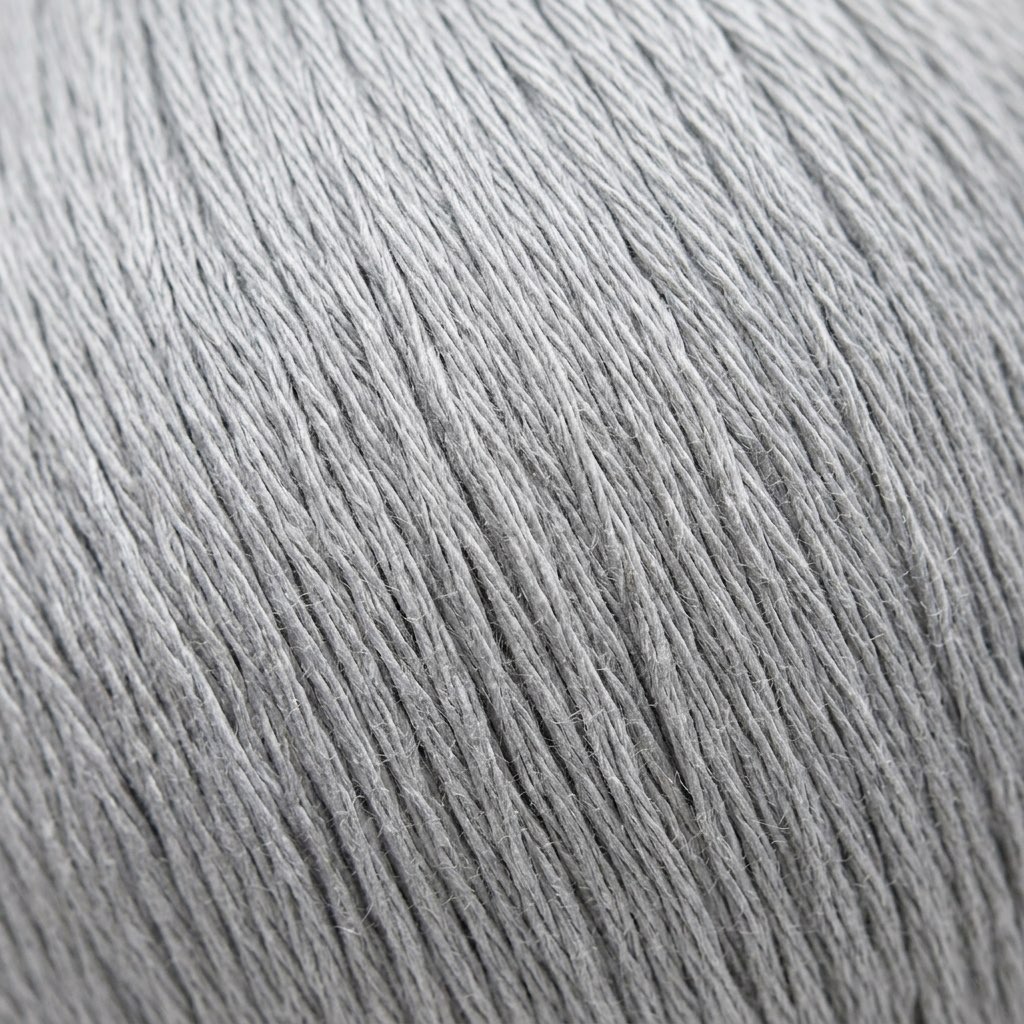
The same thread appears different depending on your fabric. Always test on your project fabric.
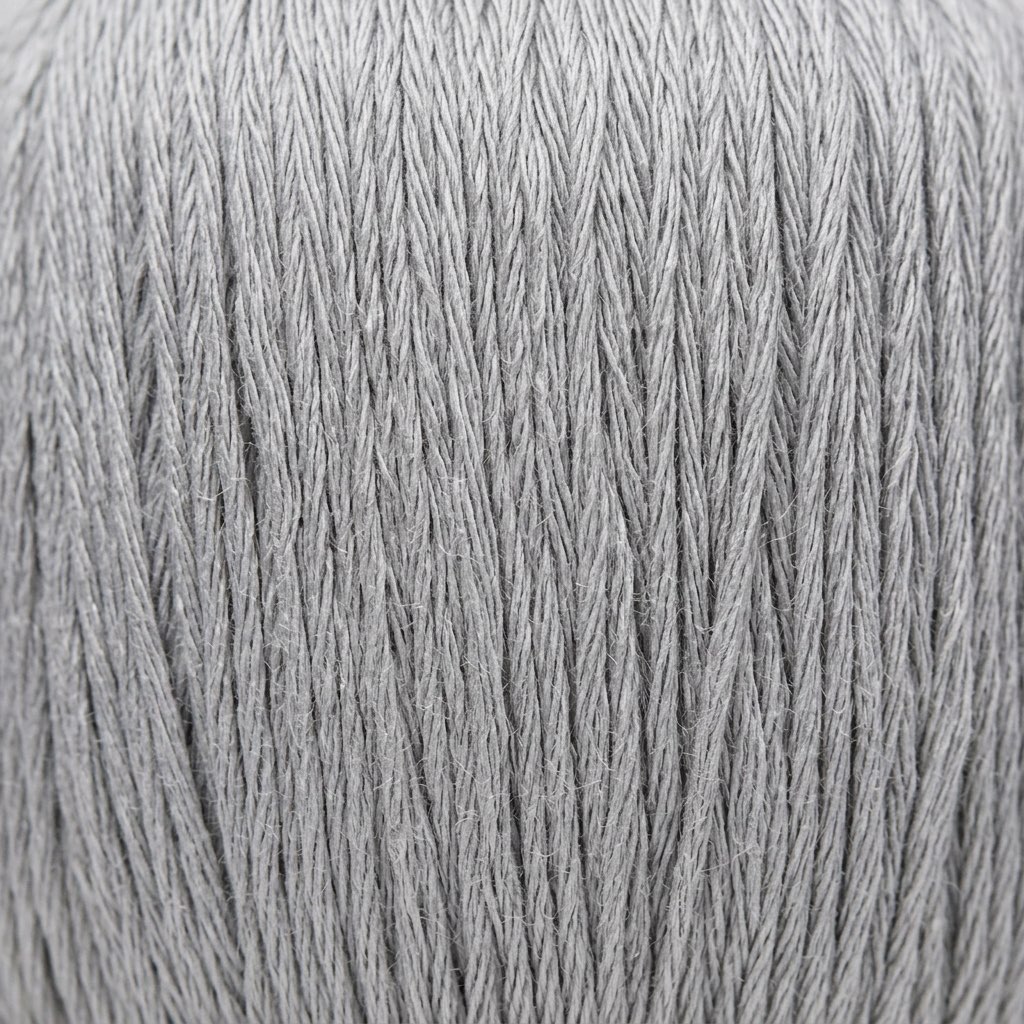
White Aida
Cream / Ecru
Black Aida
Pairs Well With
DMC colors commonly used alongside 862 Very Light Gray.
Suggested Palette
Shading Companions
Detailed Conversions
Where to Buy DMC 862
This section contains affiliate links. We may earn a small commission at no cost to you.
Related Guides
Free Printable Thread Conversion Chart
Pick a brand, enter your email, and we'll send you a printable chart mapping all 552 DMC colors to that brand's equivalents. Zero spam, one chart.
Thanks! Here's your free chart:
Download Your ChartOpens in a new tab. Use your browser's Print → Save as PDF.
No spam. Your email is stored securely and never shared.