
Quick Conversion Table
| Brand | Equivalent | Match |
|---|---|---|
| Anchor | 268 | close |
| Madeira | 1406 | close |
| Cosmo ⚠ | 973 | close |
| Sullivans | 45318 | close |
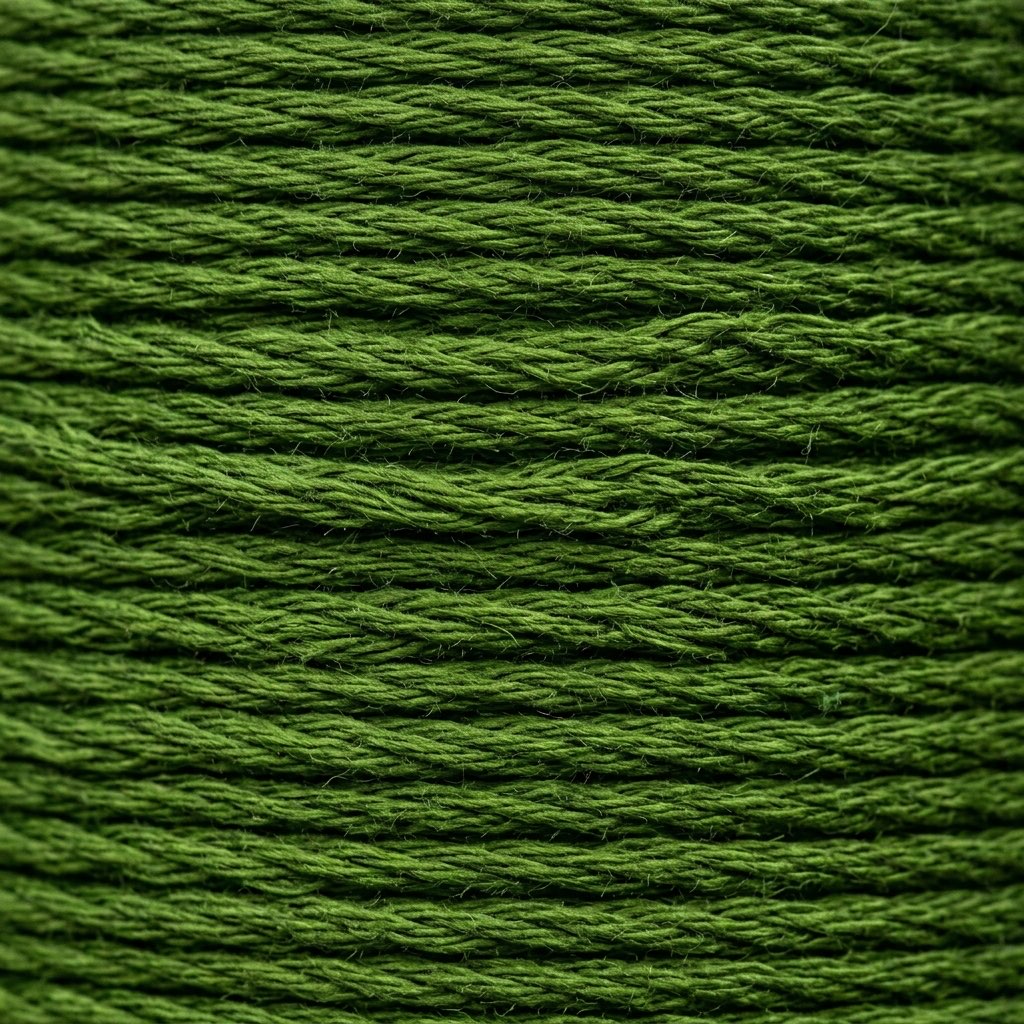
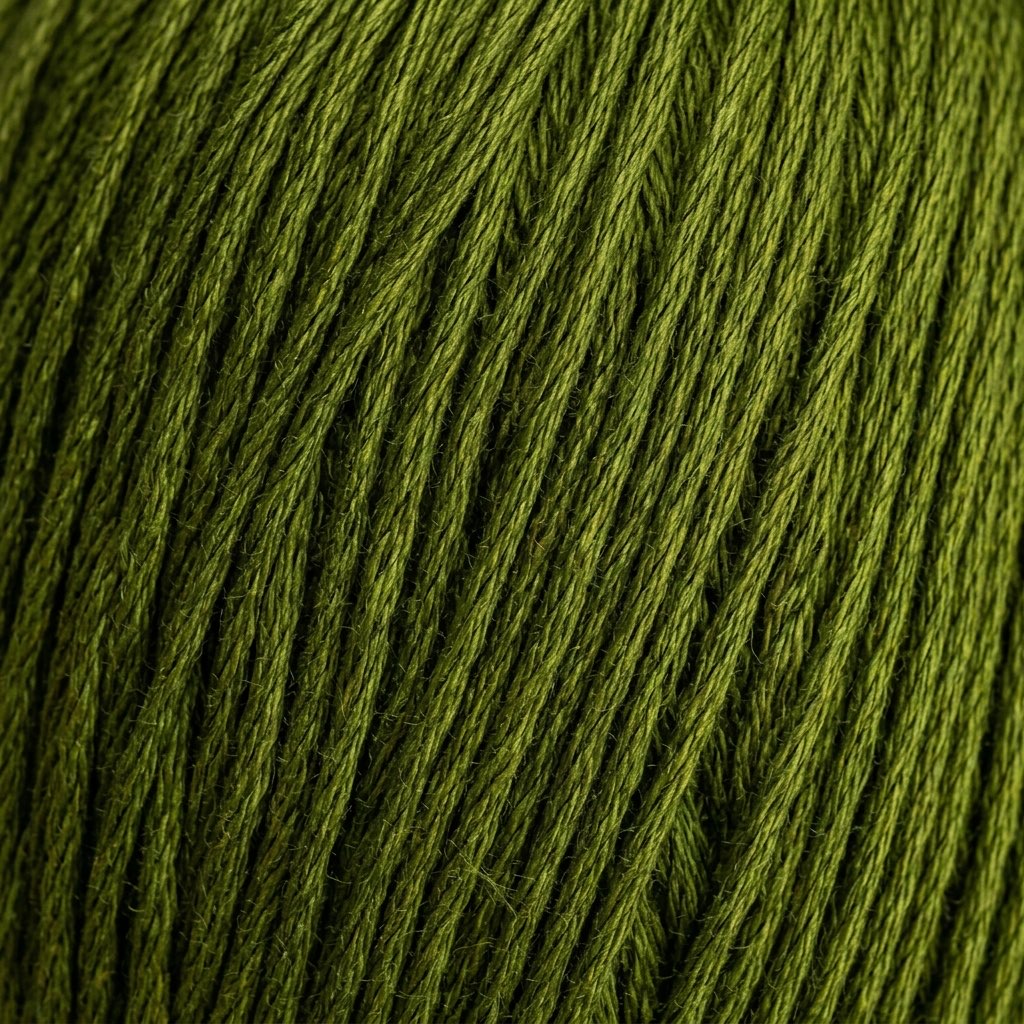
Every stitcher who has tried to render realistic grass knows the central problem: grass is not one green, it's dozens — and the deepest shade of those dozens does a lot of structural work. DMC 480 Very Dark Grass Green sits at the shadow end of the grass family: dark, warm, slightly olive-influenced, dense enough to anchor a foliage gradient without reaching the near-black territory of forest green anchors. It's the color of thick grass in shade, of the underside of a hedge, of summer lawn in the shadow of a tree.
The Grass Green Family Structure
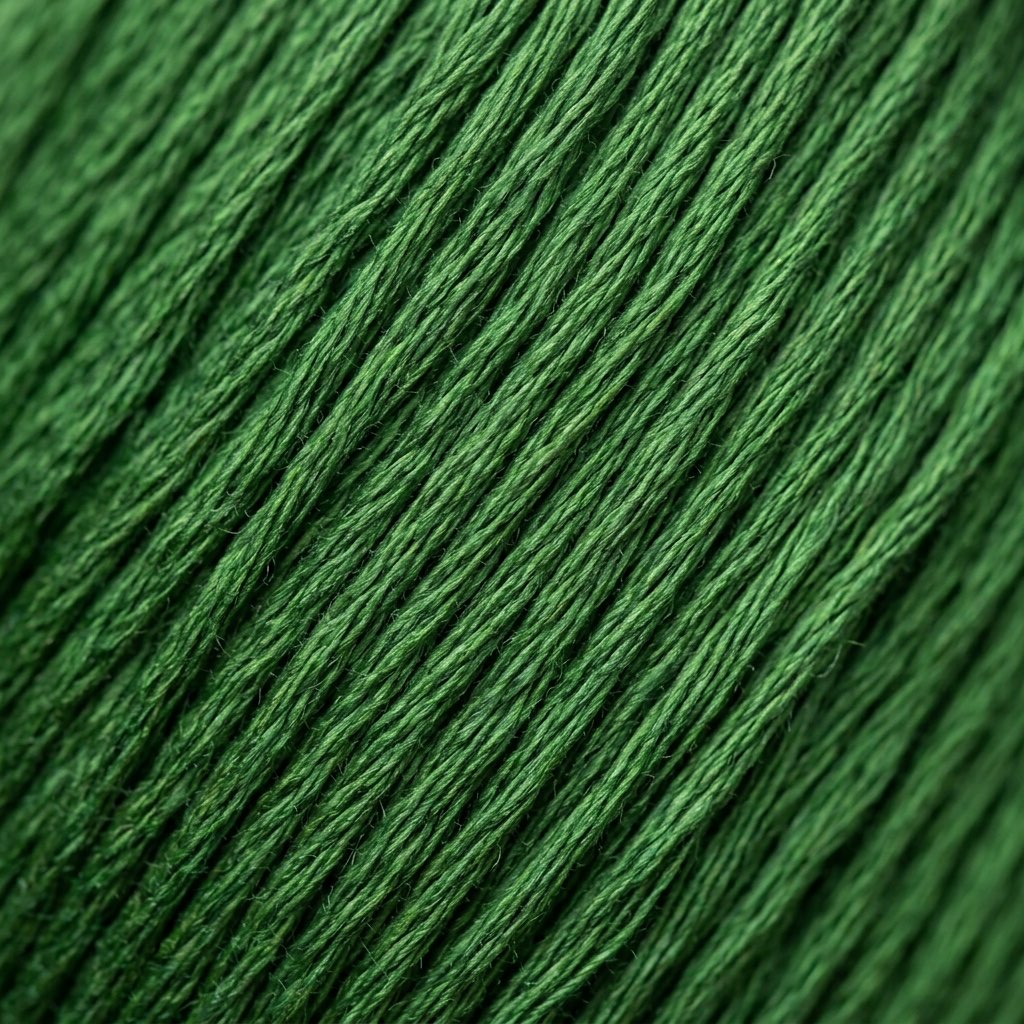
DMC 480 opens a four-value grass green family that progresses through DMC 481 (Dark Grass Green), DMC 482 (Grass Green), and by implication lighter grass greens using adjacent families. This family has a distinctly different character from the forest greens (3970–3972) and the avocado greens (469–472): the grass greens have a cleaner, more purely green quality with less olive or blue influence, making them more naturalistic for actual grass and lawn subjects compared to the more dramatically specialized forest or avocado families.
In landscape compositions, 480 typically occupies the deep shadow of foreground grass — where the blades overlap and light doesn't penetrate, or the area at the base of a hedge or behind a wall. If you imagine a garden scene with sunlit lawn, the shadow side of any bump or hollow will be approximately this color. It creates the depth that makes the lighter green values read as genuinely illuminated rather than flat.
Applications Beyond Grass
Despite the specific name, Very Dark Grass Green performs well in several contexts that aren't literally about grass. Dark fern frond shadows, the underside of large tropical leaves, dense ivy in shade, deep moss on north-facing rock faces — all of these shade toward this warm-dark green rather than the cooler, bluer forest greens. The warmth component of 480 keeps it feeling organic and naturalistic rather than cold.
In wildlife designs featuring insects — particularly beetles, grasshoppers, and praying mantises — 480 functions as the deep shadow color on green exoskeletons. The dark, warm quality suggests the thick carapace of an insect that blends with grass. Stitchers working on detailed entomology-themed pieces often find that the grass green family renders insect coloration more accurately than the forest or avocado families.
Technique Considerations
Working the grass green family using cross-country stitching can be efficient for large fill areas, but it's worth considering how the grain of cross-country affects the texture of grass renderings. Vertical or diagonal parking of individual stitches in a lawn or meadow can give a more naturalistic texture that implies the directionality of actual grass blades. Some stitchers specifically orient their stitches vertically when filling grass areas, which gives a slightly different visual result than the standard diagonal orientation but reads more convincingly as vegetation.
Anchor 268 is a close match with reliable performance in the dark grass green zone. At these darker values, substitution accuracy is more forgiving — the differences between brands are less perceptible to the eye in finished pieces than in lighter shades. Anchor 268 should serve well across most applications for 480.
Madeira 1406 tracks well and is the recommended Madeira substitute. Madeira's deep greens have good colorfastness — a meaningful consideration for large landscape pieces that will be displayed and exposed to ambient light. The slight difference in thread weight compared to DMC is less noticeable in dark fills where visual texture matters less than coverage.
Cosmo 973 performs solidly. The Cosmo grass green family (973–975 corresponding roughly to 480–482) is internally consistent, which is worth knowing if you're substituting from this family as a group rather than just one shade. Mixing Cosmo and DMC within the same gradient range can occasionally create visible inconsistencies in sheen or undertone, so choosing one brand for the full family is generally preferable.
Sullivans 45318 is a practical choice for large-area fills where the cost difference matters. For a landscape WIP where 480 fills significant background territory, the Sullivans option can meaningfully reduce cost without dramatically affecting the finished appearance at normal viewing distance.
Within DMC's own range, DMC 895 (Very Dark Hunter Green) is similarly dark but cooler and slightly bluer. DMC 936 (Very Dark Avocado Green) is another dark warm green option with slightly more olive character than 480. Neither is a precise match but both can stand in when 480 is unavailable.
Reference quality
How We Validate This Color Record
Use this page as a reference card for DMC 480: the structured data, quick conversions, and long-form copy are all tied back to the same stored color record.
- Methodology
- This page renders DMC 480, its hex value, and every brand equivalent from the site's source-of-truth color record, then checks long-form body copy against those same stored fields.
- Verification status
- Source-field checked. The page content is audited against the stored DMC number, brand equivalents, and match-quality labels before publishing.
- Last reviewed
- 2026-04-20
- Approximation warning
- Screen hex values, thread photos, and cross-brand conversions are reference aids. Dye lots, thread sheen, and fabric color can still shift the result in hand.
Decision guide
When to use the DMC 480 reference page
This page should help you decide faster between palette planning, brand substitution, and shade comparison without turning the color record into a thin lookup page.
Best for
- + Palette planning when you want the stored DMC 480 Very Dark Grass Green record, hex value #4A6810, and linked brand equivalents in one place.
- + Checking the quickest cross-brand shortlist before you buy floss, compare stash substitutes, or route into a more specific conversion page.
- + Finding nearby shades in the greens family before you commit to accents, shading, or background blends.
Watch for
- ! Screen previews are only reference aids. Very Dark Grass Green can shift on real fabric because thread sheen, stitch coverage, and room lighting change how the color reads.
- ! A stored equivalent is still a shortlist, not a guarantee that two brands will disappear into each other in the same stitched motif.
- ! Older charts, discontinued kit floss, and dye-lot variation can all introduce small but visible differences that the page cannot detect for you.
Before you commit
- Confirm the role of DMC 480 Very Dark Grass Green: decide whether you need an exact hero shade, a forgiving background, or a rough stash substitute.
- Compare on project fabric: view the skein or stitched sample on the same fabric count and color you will actually use.
- Use the linked conversion pages next: open the brand-specific pages when you need match-quality caveats before substituting away from the DMC reference.
DMC 480 FAQ
These questions appear on the page so the FAQ schema stays aligned with what visitors can actually read.
What is the Anchor equivalent of DMC 480?+
The closest Anchor equivalent to DMC 480 (Very Dark Grass Green) is Anchor 268. This is a close match.
What color is DMC 480?+
DMC 480 is called "Very Dark Grass Green" and has a hex color value of #4A6810. It belongs to the greens color family.
What is the Madeira equivalent of DMC 480?+
The closest Madeira equivalent to DMC 480 (Very Dark Grass Green) is Madeira 1406. This is a close match.
How DMC 480 Looks on Fabric
The same thread appears different depending on your fabric. Always test on your project fabric.
White Aida
Cream / Ecru
Black Aida
Pairs Well With
DMC colors commonly used alongside 480 Very Dark Grass Green.
Suggested Palette
Detailed Conversions
Where to Buy DMC 480
This section contains affiliate links. We may earn a small commission at no cost to you.
Related Guides
Free Printable Thread Conversion Chart
Pick a brand, enter your email, and we'll send you a printable chart mapping all 552 DMC colors to that brand's equivalents. Zero spam, one chart.
Thanks! Here's your free chart:
Download Your ChartOpens in a new tab. Use your browser's Print → Save as PDF.
No spam. Your email is stored securely and never shared.