
Quick Conversion Table
| Brand | Equivalent | Match |
|---|---|---|
| Anchor | 1012 | close |
| Madeira | 0410 | close |
| Cosmo ⚠ | 2606 | close |
| Sullivans | 45119 | close |
Rosewood as a color has a long and interesting history in decorative arts — it's the muted, slightly dusty pink-red of aged wood grain, antique lacquerware, and faded Victorian wallpaper. DMC 3931 Light Rosewood captures the lighter end of that register: a dusty rose with enough red to feel warm, enough grey to feel sophisticated, and just enough pink to feel feminine without crossing into saccharine territory. It's one of those colors that experienced stitchers describe as "quietly indispensable."
Historical and Decorative Context
The rosewood family of colors has roots in the Chinese lacquerware and japanning traditions that influenced European decorative arts from the 17th century onward. "Rosewood" as a pigment and dye color was associated with luxury interiors, fine furniture, and the kind of carefully coordinated domestic aesthetics that Victorian embroidery was meant to complement. Modern stitching designs that evoke this period — samplers with alphabet bands, commemorative pieces, folk art reproductions — reach for dusty roses like 3931 instinctively, because it carries that historical resonance without requiring any explanation.
The DMC rosewood range runs from DMC 3685 (Very Dark Mauve) through several intervening shades to 3931, with each step getting progressively lighter and more muted. For a traditional rosewood palette on a sampler, 3931 typically serves as the mid-tone or highlight value, paired darker with DMC 3688 (Medium Mauve) or DMC 3687 (Mauve) for shadows and depth.
Why Muted Pinks Beat Bright Ones in Most Applications
There's a practical reason why dusty, muted pinks like 3931 appear so frequently in cross-stitch patterns while pure bright pinks are used more sparingly: muted colors recede gracefully into complex compositions, while saturated bright colors compete for attention. In a design with many elements — a landscape, a sampler with multiple motifs, a botanical illustration — 3931 can occupy significant area without ever becoming the first thing the eye lands on. It harmonizes rather than dominates.
This makes it excellent for backgrounds, borders, and large fill areas where you need presence without drama. It's also the right call for skin tones in certain complexions — particularly in depictions of mature or sun-touched skin where pure pink would look artificial. Thread painters working portraits on 28-count linen, stitching over-two, often build their midtone skin values around 3931 combined with DMC 3778 (Light Terra Cotta) or DMC 3779 (Ultra Very Light Terra Cotta).
Fabric and Light Considerations
On white Aida, 3931 reads as a clear, moderately muted dusty rose — recognizably pink, with a hint of warmth. On antique linen, the warm undertone of the fabric shifts it subtly toward peach, which can be either charming or problematic depending on the design. For traditional samplers where a warm antique quality is desirable, this shift enhances the effect. For more precisely colored modern designs, white or ecru Aida gives you more predictable results.
The muted quality of 3931 means it photographs well and doesn't create the blown-highlight problem that highly saturated pinks can produce under flash. For stitchers who share their WIPs and FOs on FlossTube or social media, this is a genuinely practical advantage.
Anchor 1012 is the closest match across brands, but the Anchor number is from their extended range and availability can be spottier than their core palette. Order online if your local shop doesn't carry it. The color tracks well to 3931 — slightly warmer and perhaps one hair more saturated, but quite close in the dusty-pink register.
Madeira 0410 is a reliable alternative with strong consistency between dye lots. Madeira's rose-pink range is one of their stronger families, and 0410 holds its muted quality well — it doesn't shift toward neon pink after washing, which is a real concern with some lower-quality alternatives in this hue zone.
Cosmo 2606 offers a good match and is increasingly available through online retailers. Cosmo has been expanding its distribution in North American and European markets, making it more practical as a substitute than it used to be for stitchers outside Japan. The color sits in essentially the same dusty-rose register as the DMC original.
Sullivans 45119 is adequate for practice pieces and informal projects. The dusty-rose shades in the Sullivans range are serviceable but can occasionally show a slightly less nuanced undertone compared to DMC — visible side-by-side, but not particularly noticeable in a finished piece viewed at normal distance.
Within the DMC family, DMC 3688 (Medium Mauve) is one step deeper and can serve in a pinch — it's slightly more saturated but in the same dusty-rose family. DMC 3733 (Dusty Rose) is also adjacent and reasonable as an emergency substitute.
Reference quality
How We Validate This Color Record
Use this page as a reference card for DMC 3931: the structured data, quick conversions, and long-form copy are all tied back to the same stored color record.
- Methodology
- This page renders DMC 3931, its hex value, and every brand equivalent from the site's source-of-truth color record, then checks long-form body copy against those same stored fields.
- Verification status
- Source-field checked. The page content is audited against the stored DMC number, brand equivalents, and match-quality labels before publishing.
- Last reviewed
- 2026-04-20
- Approximation warning
- Screen hex values, thread photos, and cross-brand conversions are reference aids. Dye lots, thread sheen, and fabric color can still shift the result in hand.
Decision guide
When to use the DMC 3931 reference page
This page should help you decide faster between palette planning, brand substitution, and shade comparison without turning the color record into a thin lookup page.
Best for
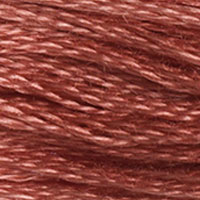
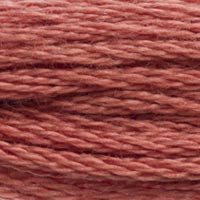
- + Palette planning when you want the stored DMC 3931 Light Rosewood record, hex value #C87878, and linked brand equivalents in one place.
- + Checking the quickest cross-brand shortlist before you buy floss, compare stash substitutes, or route into a more specific conversion page.
- + Finding nearby shades in the reds family before you commit to accents, shading, or background blends.
Watch for
- ! Screen previews are only reference aids. Light Rosewood can shift on real fabric because thread sheen, stitch coverage, and room lighting change how the color reads.
- ! A stored equivalent is still a shortlist, not a guarantee that two brands will disappear into each other in the same stitched motif.
- ! Older charts, discontinued kit floss, and dye-lot variation can all introduce small but visible differences that the page cannot detect for you.
Before you commit
- Confirm the role of DMC 3931 Light Rosewood: decide whether you need an exact hero shade, a forgiving background, or a rough stash substitute.
- Compare on project fabric: view the skein or stitched sample on the same fabric count and color you will actually use.
- Use the linked conversion pages next: open the brand-specific pages when you need match-quality caveats before substituting away from the DMC reference.
DMC 3931 FAQ
These questions appear on the page so the FAQ schema stays aligned with what visitors can actually read.
What is the Anchor equivalent of DMC 3931?+
The closest Anchor equivalent to DMC 3931 (Light Rosewood) is Anchor 1012. This is a close match.
What color is DMC 3931?+
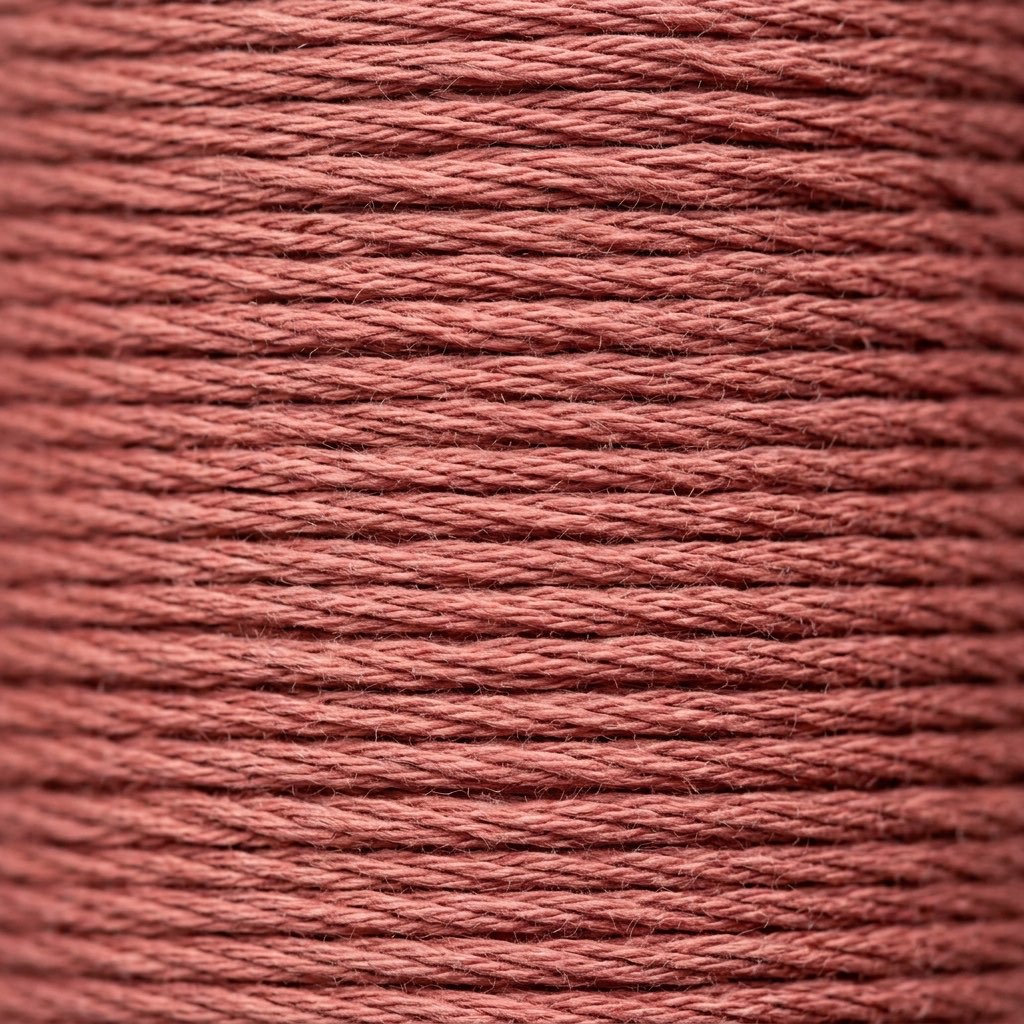
DMC 3931 is called "Light Rosewood" and has a hex color value of #C87878. It belongs to the reds color family.
What is the Madeira equivalent of DMC 3931?+
The closest Madeira equivalent to DMC 3931 (Light Rosewood) is Madeira 0410. This is a close match.
How DMC 3931 Looks on Fabric
The same thread appears different depending on your fabric. Always test on your project fabric.
White Aida
Cream / Ecru
Black Aida
Pairs Well With
DMC colors commonly used alongside 3931 Light Rosewood.
Suggested Palette
Shading Companions
Detailed Conversions
Where to Buy DMC 3931
This section contains affiliate links. We may earn a small commission at no cost to you.
Related Guides
Free Printable Thread Conversion Chart
Pick a brand, enter your email, and we'll send you a printable chart mapping all 552 DMC colors to that brand's equivalents. Zero spam, one chart.
Thanks! Here's your free chart:
Download Your ChartOpens in a new tab. Use your browser's Print → Save as PDF.
No spam. Your email is stored securely and never shared.