
Quick Conversion Table
| Brand | Equivalent | Match |
|---|---|---|
| Anchor | 1013 | exact |
| Madeira | 0402 | close |
| Cosmo ⚠ | 465 | close |
| Sullivans | 45079 | close |
| J&P Coats | 2338 | close |
| Dimensions | 12338 | close |
| Bucilla | 3356 | close |
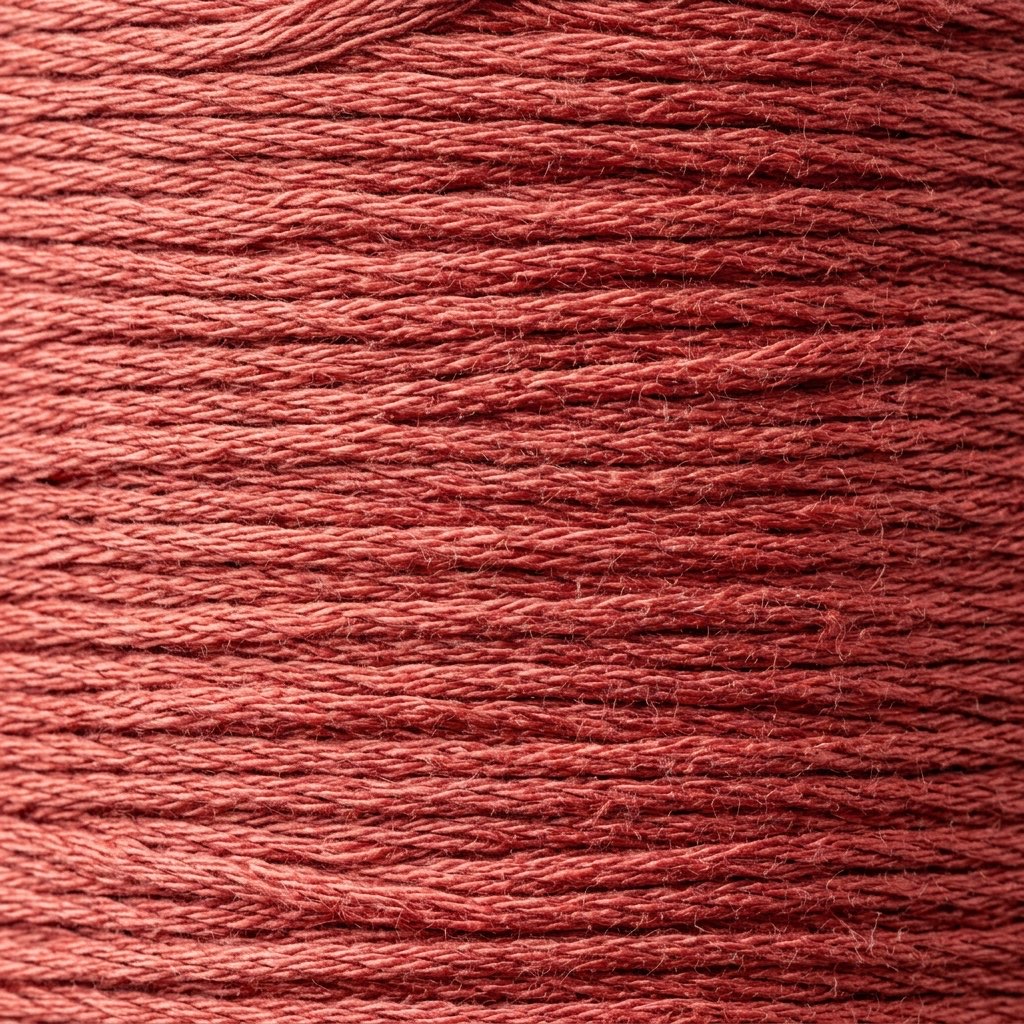
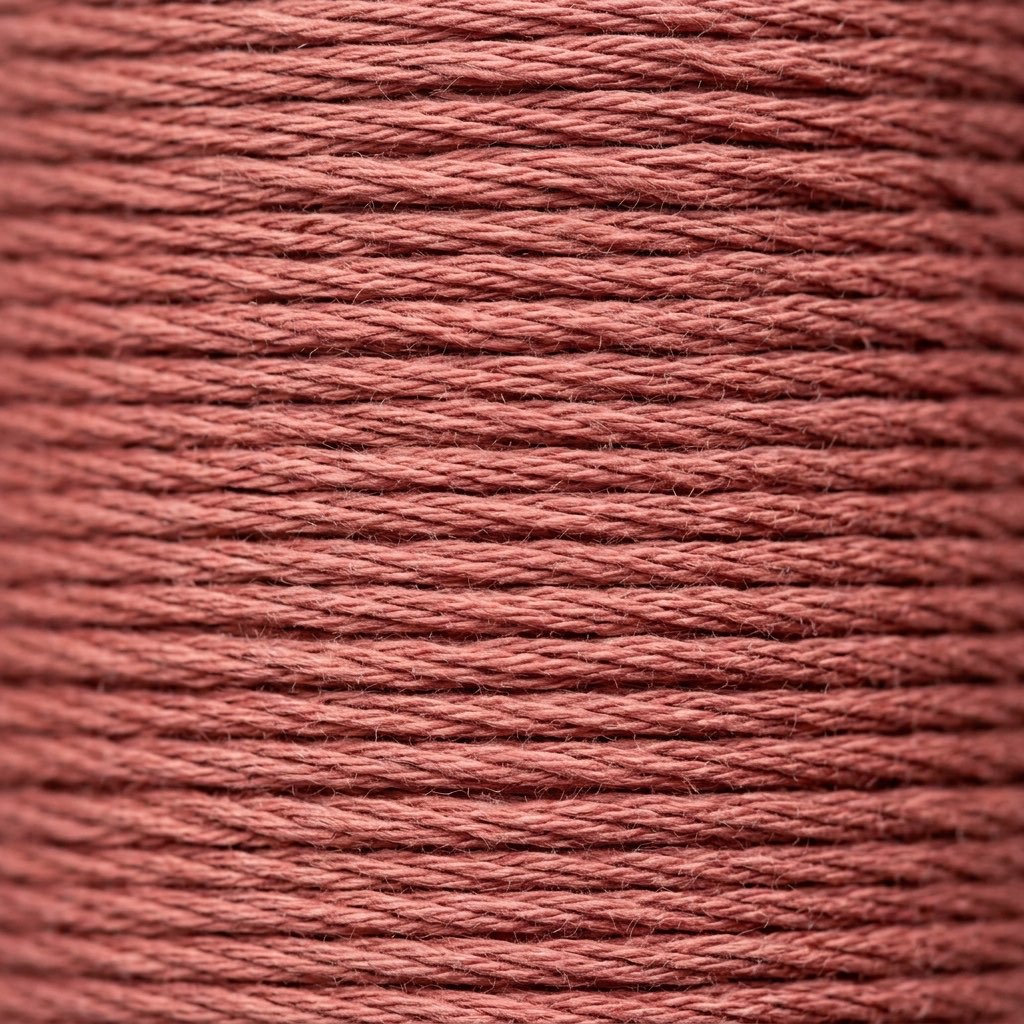
Terra cotta — literally "baked earth" in Italian — is one of those color names that earns its description. The fired clay color of Roman tiles, Mediterranean flower pots, Southwestern adobe, and ancient ceramics is among the oldest artificially created colors in human material culture. DMC 356 Medium Terra Cotta carries this history in its hue: the warm red-brown that sits between pure red and orange-brown, reminiscent of oxidized iron-rich clay in the way that few other thread colors manage. It's both ancient and enduringly contemporary.
Color Character and Position
Medium Terra Cotta occupies a specific zone in the red-orange-brown spectrum: redder than a brown, more orange than a pure red, warmer and earthier than a coral or salmon. At hex #C56A5B, it reads as a mid-value warm red-brown with good saturation — vivid enough to be a primary color in a design, earthy enough to work as a supporting neutral in a complex palette. This flexibility makes it one of the more useful red-family threads in the DMC catalog.
Within the terra cotta family, DMC 356 pairs with DMC 355 (Dark Terra Cotta) as the shadow companion, while lighter values like DMC 3830 (Terra Cotta) and DMC 402 (Very Light Mahogany) extend the family in the lighter direction. For skin tone rendering, 356 typically handles the medium-shadow areas of warm, olive, or medium-dark complexions — the areas where the skin is in partial shadow or where warmth is concentrated.
Historical and Cultural Design Connections
The word "terra cotta" itself signals a connection to Mediterranean and global clay culture, and DMC 356 appears consistently in designs referencing these aesthetics. Spanish tile patterns, Italian ceramics, Greek architecture, Southwestern American pottery, Moroccan geometric designs, and Mexican folk art all operate in this warm red-brown territory. Heritage and cultural needlework pieces that aim for historical authenticity in their palettes — particularly those referencing civilizations where fired clay was a primary building and decorative material — find this thread indispensable.
Contemporary interior design has embraced terra cotta as a design color in recent years, and this has filtered into cross-stitch pattern design as well. Home decor-themed pieces, botanical designs for interior spaces, and designs that reference the Japandi/Mediterranean interior aesthetic all use this thread family with considerable frequency. The color photographs warmly and reads as grounded and organic, qualities that align well with the natural materials aesthetic that's been dominant in interior design trends.
Skin Tone Applications
Portrait stitchers use DMC 356 extensively for medium to darker complexion tones — specifically the shadow areas on medium and medium-dark skin where warm, orange-red undertones in real skin become most visible. The thread's warm orange-red character matches the warm undertones in many Brown, Black, and olive skin tones more accurately than cooler reddish-browns. Paired with DMC 3064 (Desert Sand) for mid-tones and DMC 3772 (Very Dark Desert Sand) for deeper shadows, it builds a skin tone gradient that honors the warmth of real skin rather than defaulting to the generic brown-gray approach that less careful portrait work tends to produce.
Both Anchor 1013 and Madeira 0402 are exact matches for DMC 356 — reliably consistent substitutes from either brand. The terra cotta range is one where the major thread brands have historically aligned well. Cosmo 465 and Sullivans 45079 are close matches; in the warm red-brown range where small hue differences are more visible than in neutral territory, an in-person comparison before using in skin tone work is advisable.
The terra cotta family members within DMC — DMC 355 (Dark Terra Cotta) darker, DMC 3830 (Terra Cotta) lighter — are all in the same visual family and can substitute for each other in less color-critical applications when the exact value isn't essential. The distinguishing feature of DMC 356 specifically is its mid-value position combined with the warm orange-red that characterizes the whole terra cotta family; a substitute that lacks the orange warmth (even at the correct value) will read as a plain brown-red rather than a proper terra cotta.
From stash, DMC 3830 (Terra Cotta) is probably the most commonly available neighbor. DMC 921 (Copper) is in a similar warm red-orange range but with more orange saturation. DMC 407 (Dark Desert Sand) is warmer and more brown. For skin tone applications where the warm terra cotta shadow is critical to the portrait's realism, the exact thread is worth sourcing rather than substituting.
Reference quality
How We Validate This Color Record
Use this page as a reference card for DMC 356: the structured data, quick conversions, and long-form copy are all tied back to the same stored color record.
- Methodology
- This page renders DMC 356, its hex value, and every brand equivalent from the site's source-of-truth color record, then checks long-form body copy against those same stored fields.
- Verification status
- Source-field checked. The page content is audited against the stored DMC number, brand equivalents, and match-quality labels before publishing.
- Last reviewed
- 2026-04-20
- Approximation warning
- Screen hex values, thread photos, and cross-brand conversions are reference aids. Dye lots, thread sheen, and fabric color can still shift the result in hand.
Decision guide
When to use the DMC 356 reference page
This page should help you decide faster between palette planning, brand substitution, and shade comparison without turning the color record into a thin lookup page.
Best for
- + Palette planning when you want the stored DMC 356 Medium Terra Cotta record, hex value #C56A5B, and linked brand equivalents in one place.
- + Checking the quickest cross-brand shortlist before you buy floss, compare stash substitutes, or route into a more specific conversion page.
- + Finding nearby shades in the reds family before you commit to accents, shading, or background blends.
Watch for
- ! Screen previews are only reference aids. Medium Terra Cotta can shift on real fabric because thread sheen, stitch coverage, and room lighting change how the color reads.
- ! A stored equivalent is still a shortlist, not a guarantee that two brands will disappear into each other in the same stitched motif.
- ! Older charts, discontinued kit floss, and dye-lot variation can all introduce small but visible differences that the page cannot detect for you.
Before you commit
- Confirm the role of DMC 356 Medium Terra Cotta: decide whether you need an exact hero shade, a forgiving background, or a rough stash substitute.
- Compare on project fabric: view the skein or stitched sample on the same fabric count and color you will actually use.
- Use the linked conversion pages next: open the brand-specific pages when you need match-quality caveats before substituting away from the DMC reference.
DMC 356 FAQ
These questions appear on the page so the FAQ schema stays aligned with what visitors can actually read.
What is the Anchor equivalent of DMC 356?+
The closest Anchor equivalent to DMC 356 (Medium Terra Cotta) is Anchor 1013. This is an exact match.
What color is DMC 356?+
DMC 356 is called "Medium Terra Cotta" and has a hex color value of #C56A5B. It belongs to the reds color family.
What is the Madeira equivalent of DMC 356?+
The closest Madeira equivalent to DMC 356 (Medium Terra Cotta) is Madeira 0402. This is a close match.
How DMC 356 Looks on Fabric
The same thread appears different depending on your fabric. Always test on your project fabric.
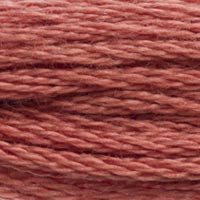
White Aida
Cream / Ecru
Black Aida
Pairs Well With
DMC colors commonly used alongside 356 Medium Terra Cotta.
Suggested Palette
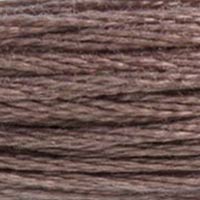
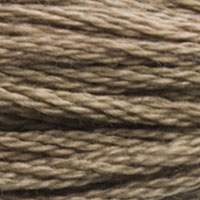
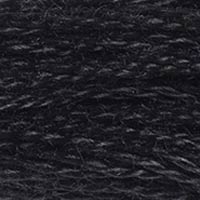
Shading Companions
Detailed Conversions
Where to Buy DMC 356
This section contains affiliate links. We may earn a small commission at no cost to you.
Related Guides
Free Printable Thread Conversion Chart
Pick a brand, enter your email, and we'll send you a printable chart mapping all 552 DMC colors to that brand's equivalents. Zero spam, one chart.
Thanks! Here's your free chart:
Download Your ChartOpens in a new tab. Use your browser's Print → Save as PDF.
No spam. Your email is stored securely and never shared.