
Quick Conversion Table
| Brand | Equivalent | Match |
|---|---|---|
| Anchor | 1024 | exact |
| Madeira | 0406 | close |
| Cosmo ⚠ | 855 | close |
| Sullivans | 45339 | close |
| J&P Coats | 3071 | close |
| Dimensions | 13071 | close |
| Bucilla | 6171 | close |
| Candamar | 6171 | close |
The Skin Tone Secret Weapon
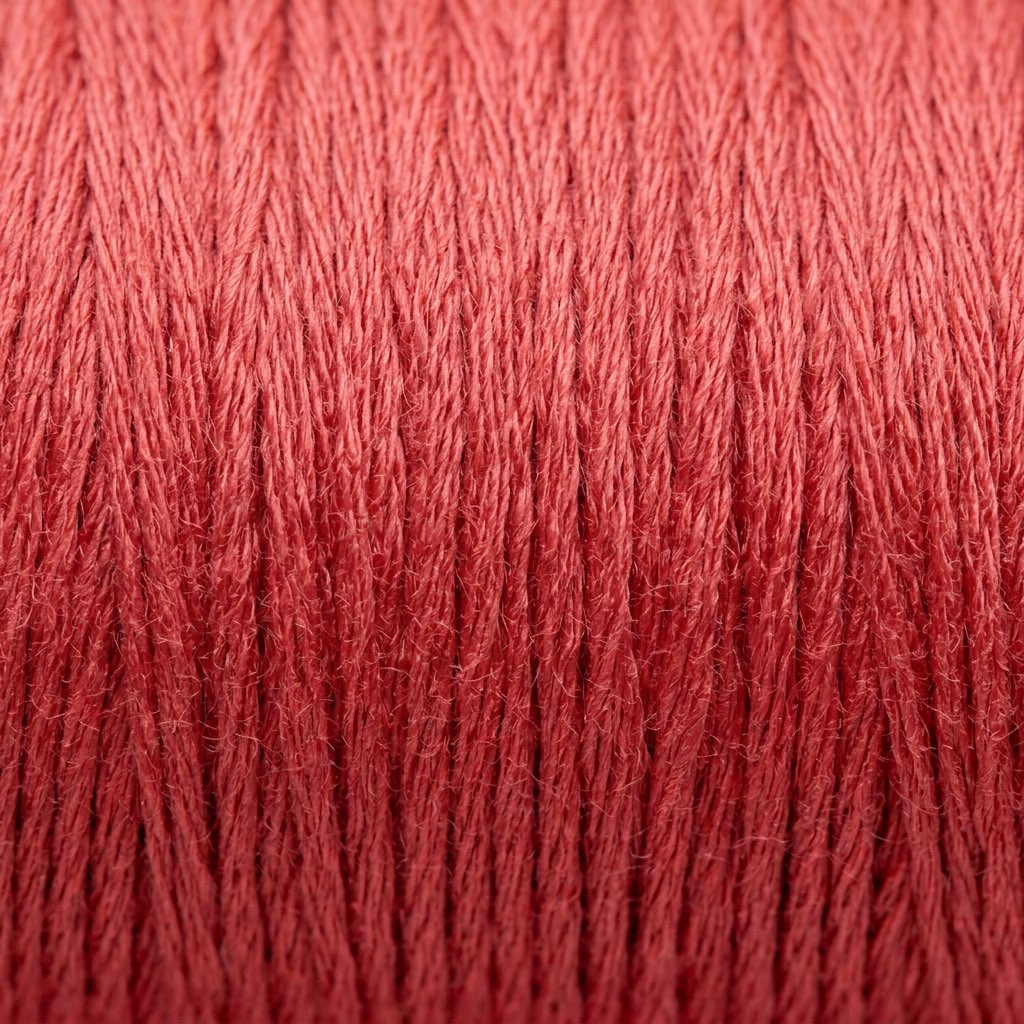
Ask a hundred cross-stitchers what DMC 3328 Dark Salmon is for, and you will get a dozen answers: flowers, sunsets, coral reefs, autumn leaves. All valid. But the answer that comes up most often among portrait and figure stitchers is this: cheeks. DMC 3328 is one of the most reliable blush tones in the entire DMC range — the color of flushed skin, of a child's cheeks after running in cold air, of the warmth that spreads across a face in firelight.
The hex (#E36D6D) explains why. Equal amounts of red and green in the lower registers, minimal blue — this is a warm, muted red-pink that sits naturally in the skin tone spectrum without looking garish or artificial. Too much red in a skin tone reads as sunburn. Too much pink reads as clownish. 3328 threads the gap between the two with a dusty warmth that reads as natural healthy color on pale to medium skin tones.
For darker skin tones, 3328 shifts role from cheek blush to lip color or to the reddish undertone visible on the inner surfaces of hands, soles of feet, and earlobes. In thread painting and needle painting techniques, where single-strand stitching creates painterly blends across the surface, 3328 is the thread that adds warmth to transitions between mid-tone skin and shadow. Without it — or without something in this exact range — skin looks flat and waxen. With it, skin looks alive.
Where 3328 Fits in the Salmon Gradient
DMC's salmon family is one of its most nuanced color progressions, and 3328 anchors the middle-dark position. Here is how the salmon ladder works:
- DMC 3712 (Medium Salmon) — lightest, most pink, almost a dusty rose
- DMC 3328 (Dark Salmon) — the warm, flushed midtone
- DMC 347 (Very Dark Salmon) — deeper, more explicitly red
This three-step gradient covers an enormous range of applications. In florals, it gives you petal shading from highlight to shadow. In skin tones, it moves from blush to flush to exertion. In architectural subjects — terracotta roof tiles, adobe walls, Mediterranean facades — it provides the warm tonal variation that keeps large areas of similar color from looking monotonous.
The relationship between 3328 and its near-twin DMC 3702 (also called Medium Salmon, confusingly) deserves mention. The two threads are extremely close in value and hue — 3702 is a touch more saturated and a touch warmer, while 3328 is slightly dustier and more muted. In side-by-side comparison under good light, you can see the difference. In a finished piece viewed at normal distance, they are virtually interchangeable. If your local shop is out of one, the other will serve.
Practical Notes and Pairings
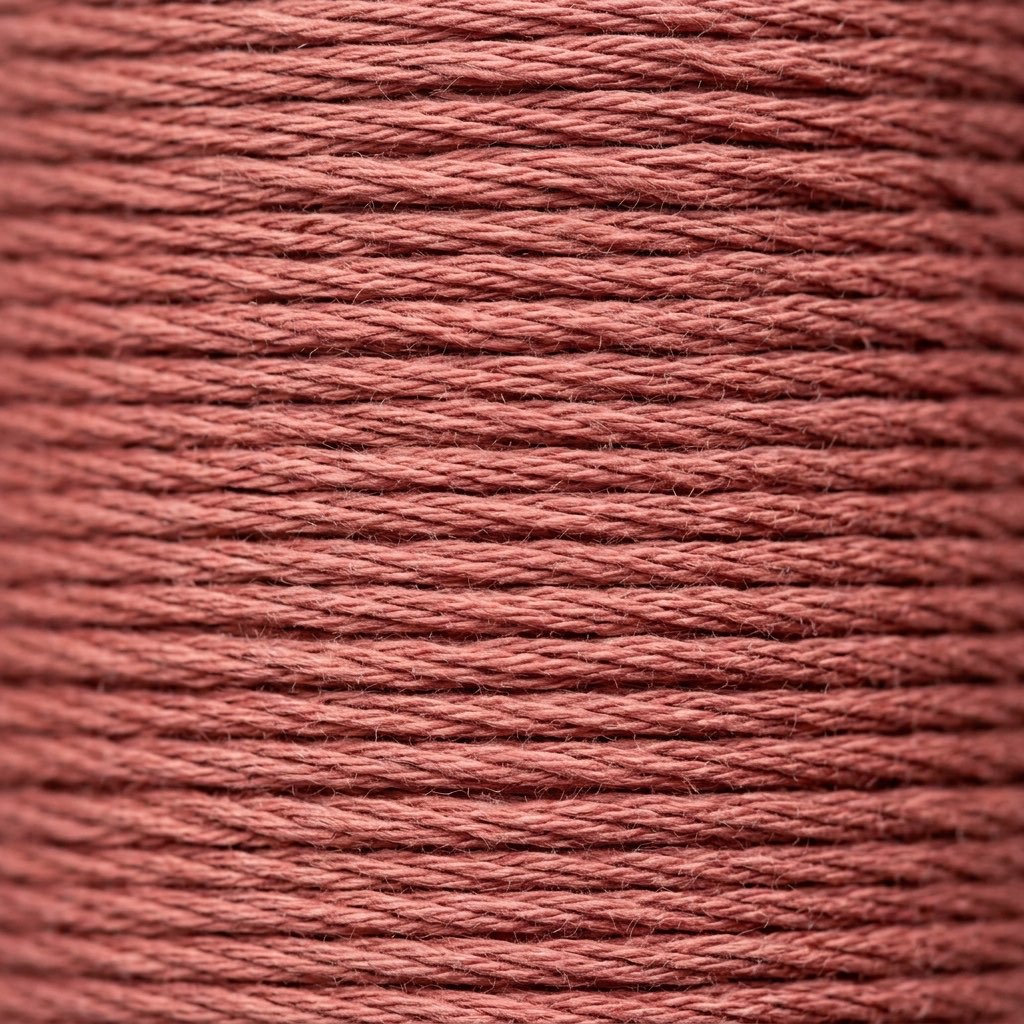
Coverage is standard — two strands on 14-count Aida, full opacity, no surprises. The thread separates cleanly and behaves well in both the English and Danish methods. At this medium saturation level, fabric choice has a moderate impact: on white, 3328 reads as distinctly pink-red; on cream or ecru, it warms further toward peach; on natural linen, it mellows into something almost terracotta-adjacent.
For fruit and food designs, 3328 captures the flesh of a ripe peach or the interior of a watermelon slice — those places where pink meets orange in soft-fleshed fruits. Paired with DMC 352 (Light Coral) for highlights and DMC 355 (Dark Terra Cotta) for shadows, you can build a convincing fruit palette that avoids the artificial look of using pure reds or pure pinks.
In floral work, 3328 is the petal color of aging roses — not the fresh, vivid red of a newly opened bloom, but the softer, dustier red of a rose three days into its display life, when the petals have relaxed and the color has mellowed. This makes it perfect for vintage and shabby chic designs where the aesthetic is faded beauty rather than bold statement. Pair it with DMC 3859 (Light Rosewood) and DMC 3064 (Desert Sand) for that specific romantic-vintage palette that dominates Etsy cross-stitch pattern shops.
One last context where 3328 shines: Christmas ornaments on natural linen. The dusty salmon tone against the warm gray-tan of linen creates a Scandinavian aesthetic — understated, natural, cozy without being garish. Where DMC 321 or 666 scream "Christmas" in bright primary tones, 3328 whispers it in muted, hygge-inflected warmth.
Exact Matches Make Life Easier
Good news for stitchers needing alternatives: both Anchor 1024 and Madeira 0406 are rated as exact matches for DMC 3328. This is one of those colors where cross-brand conversion actually works cleanly.
Anchor 1024 delivers the same warm, muted salmon tone with comparable coverage. Thread weight and twist are close to DMC, so you will not need to adjust your strand count. The color accuracy holds across different lighting conditions — daylight, incandescent, and fluorescent — which is not always the case with cross-brand matches that are technically the same hue but respond differently to light temperature.
Madeira 0406 matches well and brings Madeira's characteristically smoother finish. For skin tone work, this slight sheen can be advantageous — real skin has a subtle luminosity that a shiny thread approximates better than a matte one. The trade-off is that the sheen also makes any tension inconsistencies more visible, so pay attention to your stitch tension when using Madeira for faces.
Cosmo 855 is a close match. Cosmo's version may lean slightly more pink than DMC's slightly warmer salmon, but the difference is subtle enough that most projects will not suffer. Cosmo's softer twist creates a slightly different texture on the fabric surface — flatter, with less definition between individual stitches — which can actually enhance the blended look you want in skin tones and petal shading.
Sullivans 45339 is rated close, and as with most Sullivans substitutions, coverage density is the primary concern. Test on your fabric before committing to large areas, and add a strand if necessary. The color is in the right family — warm, dusty, salmon-pink — but the thread itself may require you to adjust technique slightly to achieve the same opacity as DMC.
Within DMC, your nearest alternatives are 3702 (practically a twin, as discussed above) and 760 (Salmon, lighter and more distinctly pink). For a darker swap, DMC 3722 (Medium Shell Pink) sits nearby on the value scale. None perfectly replaces 3328's specific dusty warmth, but 3702 comes closest.
Reference quality
How We Validate This Color Record
Use this page as a reference card for DMC 3328: the structured data, quick conversions, and long-form copy are all tied back to the same stored color record.
- Methodology
- This page renders DMC 3328, its hex value, and every brand equivalent from the site's source-of-truth color record, then checks long-form body copy against those same stored fields.
- Verification status
- Source-field checked. The page content is audited against the stored DMC number, brand equivalents, and match-quality labels before publishing.
- Last reviewed
- 2026-04-20
- Approximation warning
- Screen hex values, thread photos, and cross-brand conversions are reference aids. Dye lots, thread sheen, and fabric color can still shift the result in hand.
Decision guide
When to use the DMC 3328 reference page
This page should help you decide faster between palette planning, brand substitution, and shade comparison without turning the color record into a thin lookup page.
Best for
- + Palette planning when you want the stored DMC 3328 Dark Salmon record, hex value #E36D6D, and linked brand equivalents in one place.
- + Checking the quickest cross-brand shortlist before you buy floss, compare stash substitutes, or route into a more specific conversion page.
- + Finding nearby shades in the reds family before you commit to accents, shading, or background blends.
Watch for
- ! Screen previews are only reference aids. Dark Salmon can shift on real fabric because thread sheen, stitch coverage, and room lighting change how the color reads.
- ! A stored equivalent is still a shortlist, not a guarantee that two brands will disappear into each other in the same stitched motif.
- ! Older charts, discontinued kit floss, and dye-lot variation can all introduce small but visible differences that the page cannot detect for you.
Before you commit
- Confirm the role of DMC 3328 Dark Salmon: decide whether you need an exact hero shade, a forgiving background, or a rough stash substitute.
- Compare on project fabric: view the skein or stitched sample on the same fabric count and color you will actually use.
- Use the linked conversion pages next: open the brand-specific pages when you need match-quality caveats before substituting away from the DMC reference.
DMC 3328 FAQ
These questions appear on the page so the FAQ schema stays aligned with what visitors can actually read.
What is the Anchor equivalent of DMC 3328?+
The closest Anchor equivalent to DMC 3328 (Dark Salmon) is Anchor 1024. This is an exact match.
What color is DMC 3328?+
DMC 3328 is called "Dark Salmon" and has a hex color value of #E36D6D. It belongs to the reds color family.
What is the Madeira equivalent of DMC 3328?+
The closest Madeira equivalent to DMC 3328 (Dark Salmon) is Madeira 0406. This is a close match.
How DMC 3328 Looks on Fabric
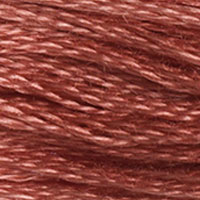
The same thread appears different depending on your fabric. Always test on your project fabric.
White Aida
Cream / Ecru
Black Aida
Pairs Well With
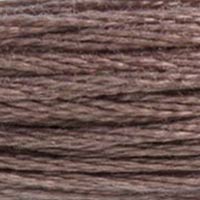
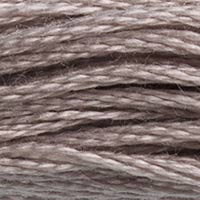
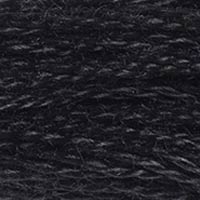
DMC colors commonly used alongside 3328 Dark Salmon.
Suggested Palette
Shading Companions
Detailed Conversions
Where to Buy DMC 3328
This section contains affiliate links. We may earn a small commission at no cost to you.
Related Guides
Free Printable Thread Conversion Chart
Pick a brand, enter your email, and we'll send you a printable chart mapping all 552 DMC colors to that brand's equivalents. Zero spam, one chart.
Thanks! Here's your free chart:
Download Your ChartOpens in a new tab. Use your browser's Print → Save as PDF.
No spam. Your email is stored securely and never shared.