
Quick Conversion Table
| Brand | Equivalent | Match |
|---|---|---|
| Anchor | 303 | exact |
| Madeira | 0114 | close |
| Cosmo ⚠ | 145 | close |
| Sullivans | 45183 | close |
| J&P Coats | 2302 | close |
| Dimensions | 6126 | close |
| Bucilla | 1742 | close |
| Candamar | 6120 | close |
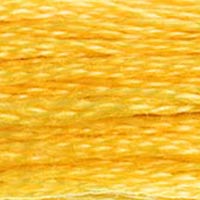
Somewhere between yellow and orange lives a color that flower designers, sunset stitchers, and anyone who has ever tried to recreate the particular glow of late afternoon light reaches for instinctively. DMC 742 Light Tangerine is warm without being heavy, luminous without becoming garish — one of those mid-range transition colors that does far more work than it gets credit for.
The Gradient Backbone
In any orange-to-yellow shading sequence, 742 is the critical bridge. Place DMC 743 (Medium Yellow) as your highlight and DMC 741 (Medium Tangerine) as your mid-shadow, and 742 slots in between to make the transition read as smooth rather than abrupt. This three-color combination shows up in countless sunflower designs — 743 for the petal tips catching light, 742 through the mid-petal, 741 at the base where petals emerge from the center. Without 742, the step between 743 and 741 is jarring; with it, the flower looks dimensional.
The same logic applies to tiger and lion fur, where warmth gradients across the body and face require exactly this kind of amber-gold bridge. DMC 742 lands in the zone between the bright highlights (which often use 743 or even DMC 744 Yellow) and the deeper tonal oranges like 741 or DMC 740 (Tangerine).
Flame, Sunset, and Light Source Work
Any design with a visible light source — candle flames, fire, lanterns, sunsets — relies on this color family to convey the warm core of illumination. DMC 742 specifically reads as the outer mantle of a flame or the warm halo just before a sunset sky transitions into orange. Stitchers working on Halloween lantern designs often find themselves using more 742 than expected because the glow effect depends on that yellow-orange transition being wide enough to read at viewing distance.
Sunset sky gradients typically progress from DMC 3078 (Very Light Golden Yellow) through 744, 742, 741, and into DMC 947 (Burnt Orange) or DMC 900 (Dark Burnt Orange) for the horizon. Knowing where 742 sits in that sequence helps you assess how much coverage you need in each zone to get the gradient to feel natural rather than striped.
Floral Applications: The Summer Garden Range
Beyond autumnal designs, 742 earns significant use in summer florals. Marigolds — both French and African varieties — use this color for their inner petals where the yellow deepens slightly. Black-eyed Susans, coreopsis, and gaillardia all include tones right in this range. If you stitch botanical patterns, you'll find 742 appearing in designs for daylilies, especially the warm apricot-throated varieties that are so popular as garden subjects.
For citrus designs, 742 is the highlight color on lemon and lime peel, providing the lighter, more saturated edge that makes the fruit look three-dimensional against DMC 743 and DMC 744. Even orange slices use 742 for the interior membrane highlights.
Behavior on Different Grounds
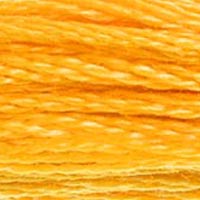
On white Aida, 742 looks distinctly warm yellow-orange. On linen or antique evenweave, the ground tone pulls it slightly toward gold — which can be a beautiful, antique-feeling result in the right context. If you're working a reproduction sampler or a piece meant to look aged, the way 742 reads on natural fabric is often more pleasing than on stark white. Stitchers occasionally note that 742 can look slightly different from different dye lots, so if you're covering a large area, it's worth checking that your skeins come from the same batch.
Best Uses for Light Tangerine (DMC 742)
Cross stitch projects featuring DMC 742 benefit from its unique tonal qualities. When selecting the best cross stitch thread for your design, keep Light Tangerine in mind as a versatile choice that blends perfectly with other shades.
Both Anchor 303 and Madeira 0114 are rated as exact matches and hold up well in practice — these are among the more consistent brand-to-brand equivalencies in the warm yellow-orange range. If you're switching brands mid-piece, you shouldn't notice a meaningful color shift with either of these substitutions.
Cosmo 145 and Sullivans 45183 are rated close. Cosmo 145 tends to sit slightly more yellow, which may work well in gradient applications where you want 742 to lean toward the lighter end of its range. Sullivans 45183 is reportedly a touch more amber in some batches — worth checking against your specific design if accurate matching matters.
If you're working within the DMC range and run short of 742, DMC 743 (Medium Yellow) works as a lighter substitute in well-lit areas, and DMC 741 (Medium Tangerine) substitutes in deeper shadow zones. For a true emergency substitute that holds the warm yellow-orange position, DMC 744 (Yellow) can step in for 742 in lighter areas, though you'll lose some of the orange warmth. Note that 742 and DMC 783 (Medium Topaz) are sometimes confused by newer stitchers — 783 is more golden and decidedly different in hue, so double-check your skein labels before working a large fill.
Reference quality
How We Validate This Color Record
Use this page as a reference card for DMC 742: the structured data, quick conversions, and long-form copy are all tied back to the same stored color record.
- Methodology
- This page renders DMC 742, its hex value, and every brand equivalent from the site's source-of-truth color record, then checks long-form body copy against those same stored fields.
- Verification status
- Source-field checked. The page content is audited against the stored DMC number, brand equivalents, and match-quality labels before publishing.
- Last reviewed
- 2026-04-20
- Approximation warning
- Screen hex values, thread photos, and cross-brand conversions are reference aids. Dye lots, thread sheen, and fabric color can still shift the result in hand.
Decision guide
When to use the DMC 742 reference page
This page should help you decide faster between palette planning, brand substitution, and shade comparison without turning the color record into a thin lookup page.
Best for
- + Palette planning when you want the stored DMC 742 Light Tangerine record, hex value #FFBF57, and linked brand equivalents in one place.
- + Checking the quickest cross-brand shortlist before you buy floss, compare stash substitutes, or route into a more specific conversion page.
- + Finding nearby shades in the yellows family before you commit to accents, shading, or background blends.
Watch for
- ! Screen previews are only reference aids. Light Tangerine can shift on real fabric because thread sheen, stitch coverage, and room lighting change how the color reads.
- ! A stored equivalent is still a shortlist, not a guarantee that two brands will disappear into each other in the same stitched motif.
- ! Older charts, discontinued kit floss, and dye-lot variation can all introduce small but visible differences that the page cannot detect for you.
Before you commit
- Confirm the role of DMC 742 Light Tangerine: decide whether you need an exact hero shade, a forgiving background, or a rough stash substitute.
- Compare on project fabric: view the skein or stitched sample on the same fabric count and color you will actually use.
- Use the linked conversion pages next: open the brand-specific pages when you need match-quality caveats before substituting away from the DMC reference.
DMC 742 FAQ
These questions appear on the page so the FAQ schema stays aligned with what visitors can actually read.
What is the Anchor equivalent of DMC 742?+
The closest Anchor equivalent to DMC 742 (Light Tangerine) is Anchor 303. This is an exact match.
What color is DMC 742?+
DMC 742 is called "Light Tangerine" and has a hex color value of #FFBF57. It belongs to the yellows color family.
What is the Madeira equivalent of DMC 742?+
The closest Madeira equivalent to DMC 742 (Light Tangerine) is Madeira 0114. This is a close match.
How DMC 742 Looks on Fabric
The same thread appears different depending on your fabric. Always test on your project fabric.
White Aida
Cream / Ecru
Black Aida
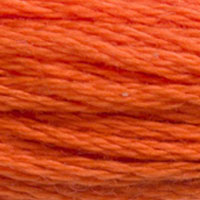
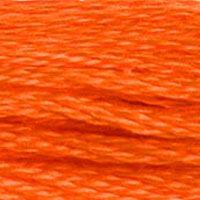
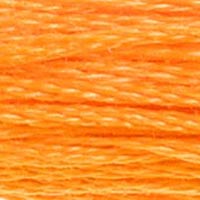
Pairs Well With
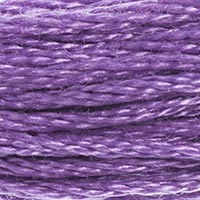
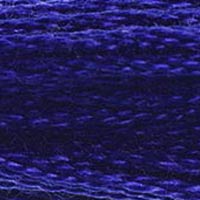
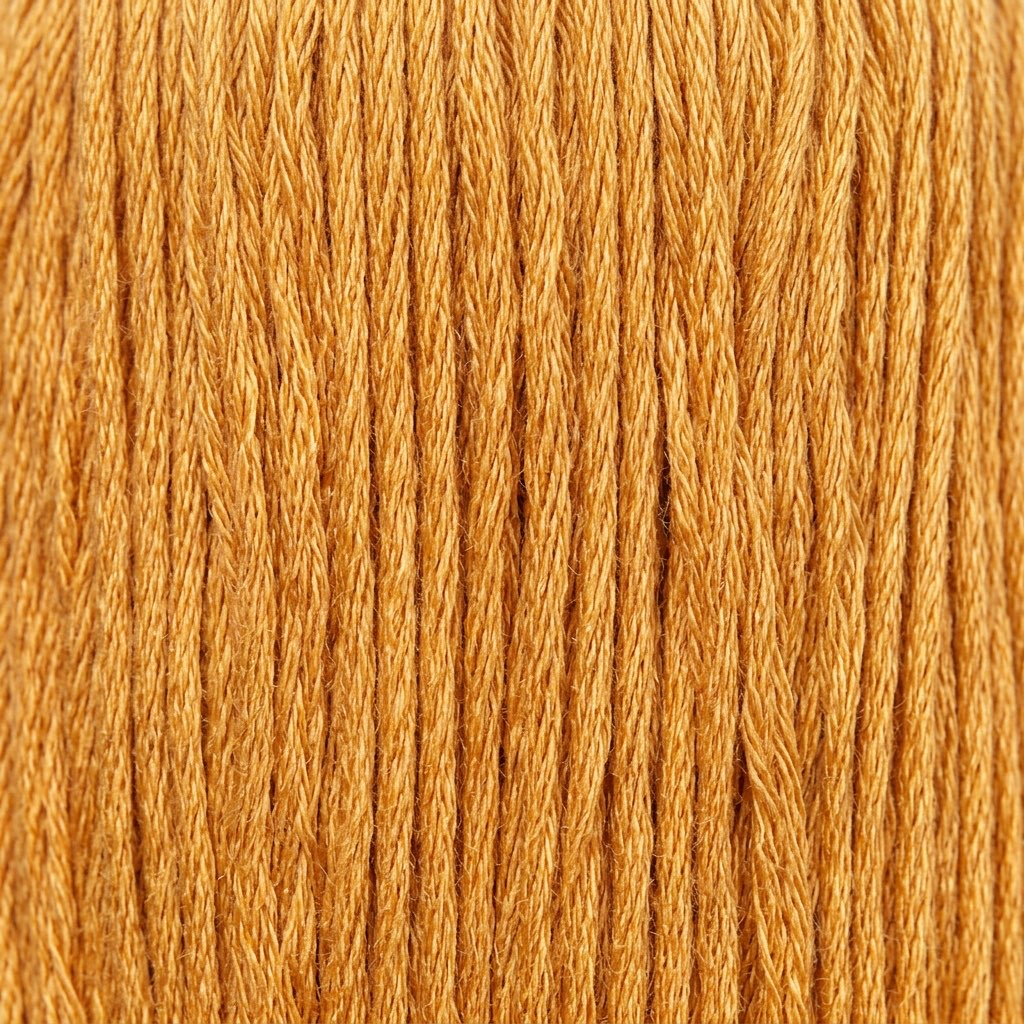
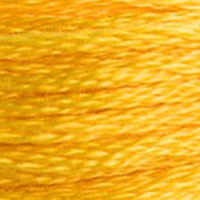
DMC colors commonly used alongside 742 Light Tangerine.
Detailed Conversions
Where to Buy DMC 742
This section contains affiliate links. We may earn a small commission at no cost to you.
Related Guides
Free Printable Thread Conversion Chart
Pick a brand, enter your email, and we'll send you a printable chart mapping all 552 DMC colors to that brand's equivalents. Zero spam, one chart.
Thanks! Here's your free chart:
Download Your ChartOpens in a new tab. Use your browser's Print → Save as PDF.
No spam. Your email is stored securely and never shared.