
DMC 938 — Ultra Dark Coffee Brown
Browns family · Hex #361F0E
Quick Conversion Table
| Brand | Equivalent | Match |
|---|---|---|
| Anchor | 381 | exact |
| Madeira | 2005 | close |
| Cosmo ⚠ | 2311 | close |
| Sullivans | 45280 | close |
| J&P Coats | 5381 | close |
| Dimensions | 6092 | close |
| Bucilla | 6092 | close |
| Candamar | 6199 | close |
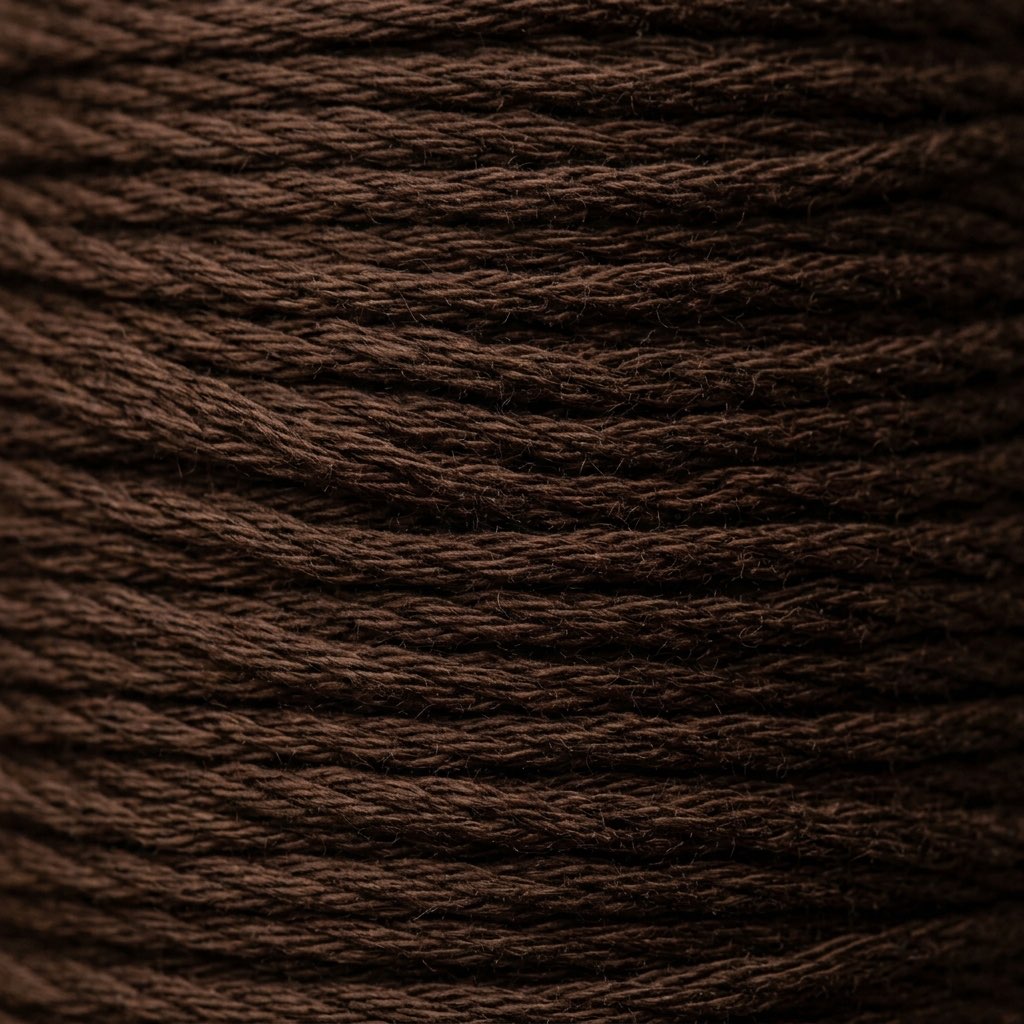
Pick up a fresh coffee bean and look closely at it. Not the pale tan of unroasted coffee, not the medium-brown of a light roast, but the very darkest French or espresso roast — the bean that's been in the drum long enough to develop an almost chocolatey blackness with just enough brown warmth to avoid reading as pure charcoal. That's the color of DMC 938 Ultra Dark Coffee Brown. At #361F0E, it's so dark that in many lighting conditions it reads as near-black, and yet in direct light or next to truly neutral blacks, the warm brown undertone emerges clearly.
This is one of the darkest colors in the DMC lineup, and one of the few non-neutral near-blacks available. Unlike DMC 310 (Black) or DMC 3371 (Black Brown), which are genuinely cold dark neutrals, 938 carries a warmth that makes it versatile in organic and natural subjects. It's the shadow color for any subject that involves dark warm materials: rich dark wood grain, very dark animal fur, the centers of certain dark flowers, the deep interior of caves and hollow trees in nature scenes.
The Case for Warm Dark Colors Over True Black
A productive argument runs through the cross-stitch and embroidery community about when to use DMC 310 versus a warm dark like DMC 938. The key insight is this: DMC 310 reads as a graphic element — its pure neutrality pulls the eye and creates hard edges. DMC 938 reads as a very dark material — its warmth integrates with organic subjects and creates depth rather than outline.
For blackwork, outlines on bold geometric designs, and letter/text elements, DMC 310 is usually correct. For realistic wood grain, dark fur, botanical shadows, animal eye details, dark earth tones, and the depths of organic forms, DMC 938 produces more convincing results. The question to ask yourself when reaching for dark thread: am I creating a boundary, or am I filling a shadow? If the latter, 938 is often the better choice.
Some stitchers use 938 for all their dark anchor stitches in warm-toned designs — replacing 310 entirely in pieces where nothing in the palette is cool or neutral enough to warrant a true black backstitch. This approach gives the overall composition a warmer, more unified quality that can be especially effective in pieces with a rustic, vintage, or nature-inspired aesthetic.
Specific Applications
Wood grain rendering in cross-stitch depends heavily on having the right very dark brown. DMC 938 serves as the deepest shadow in grain patterns, used for the darkest parts of wood knots, the deepest grooves in rough-hewn timber, and the shadow cast by raised grain on the surrounding wood surface. Paired with DMC 801 (Dark Coffee Brown) for mid-dark tones and DMC 433 (Medium Brown) for the main wood body, a convincing hardwood grain emerges.
Animal subjects with very dark coloring — black bears, ravens, dark horses, mink, certain dogs — use 938 as the primary fill color with DMC 310 reserved only for the absolutely darkest accent points. The reason: 938's warm undertone reads as fur, feather, or coat more convincingly than pure black does. The viewer's eye interprets warm dark as material; it interprets pure black as graphic.
For stitchers working on large dark-field designs — night sky pieces, dark background samplers, silhouette designs — the difference between 938 and 310 as a fill matters considerably. A design with a near-black background in 938 has a different emotional quality than the same design in 310: slightly warmer, slightly more intimate, with the depth of a warm night rather than the neutrality of an empty space.
Anchor 381 and Madeira 2005 both carry exact ratings, making DMC 938 very well-supported for brand substitution. Both are consistently reliable equivalents that maintain the ultra-dark coffee brown character of the DMC original.
Anchor 381 is one of the most consistently referenced equivalents for very dark browns across the Anchor range — it's a commonly stocked thread and reads comparably to DMC 938 in both fill and backstitch applications. Madeira 2005 is equally dependable, with Madeira's dark brown formulations being among their more consistent colors.
Cosmo 2311 and Sullivans 45280 carry close ratings. At this extreme dark value, close-rated substitutes are generally acceptable for most applications — the difference between close and exact is harder to discern in very dark threads than it is at mid-tones. In designs where 938 appears in close proximity to other very dark threads (938 alongside 310, for instance), the subtle difference in warmth between DMC 938 and a close-rated substitute might be visible; in standalone use or in isolation from other darks, it's unlikely to matter.
Within DMC, if 938 is unavailable, DMC 801 (Dark Coffee Brown) is one step lighter and maintains the warm coffee-brown character at a more medium dark value. DMC 3371 (Black Brown) is another near-black option with a slightly cooler, less distinctly brown character. DMC 310 (Black) is the obvious last resort if nothing in the dark warm brown range is available, with the understanding that it will read as cooler and more graphic than 938 in warm-toned designs.
Reference quality
How We Validate This Color Record
Use this page as a reference card for DMC 938: the structured data, quick conversions, and long-form copy are all tied back to the same stored color record.
- Methodology
- This page renders DMC 938, its hex value, and every brand equivalent from the site's source-of-truth color record, then checks long-form body copy against those same stored fields.
- Verification status
- Source-field checked. The page content is audited against the stored DMC number, brand equivalents, and match-quality labels before publishing.
- Last reviewed
- 2026-04-20
- Approximation warning
- Screen hex values, thread photos, and cross-brand conversions are reference aids. Dye lots, thread sheen, and fabric color can still shift the result in hand.
Decision guide
When to use the DMC 938 reference page
This page should help you decide faster between palette planning, brand substitution, and shade comparison without turning the color record into a thin lookup page.
Best for
- + Palette planning when you want the stored DMC 938 Ultra Dark Coffee Brown record, hex value #361F0E, and linked brand equivalents in one place.
- + Checking the quickest cross-brand shortlist before you buy floss, compare stash substitutes, or route into a more specific conversion page.
- + Finding nearby shades in the browns family before you commit to accents, shading, or background blends.
Watch for
- ! Screen previews are only reference aids. Ultra Dark Coffee Brown can shift on real fabric because thread sheen, stitch coverage, and room lighting change how the color reads.
- ! A stored equivalent is still a shortlist, not a guarantee that two brands will disappear into each other in the same stitched motif.
- ! Older charts, discontinued kit floss, and dye-lot variation can all introduce small but visible differences that the page cannot detect for you.
Before you commit
- Confirm the role of DMC 938 Ultra Dark Coffee Brown: decide whether you need an exact hero shade, a forgiving background, or a rough stash substitute.
- Compare on project fabric: view the skein or stitched sample on the same fabric count and color you will actually use.
- Use the linked conversion pages next: open the brand-specific pages when you need match-quality caveats before substituting away from the DMC reference.
DMC 938 FAQ
These questions appear on the page so the FAQ schema stays aligned with what visitors can actually read.
What is the Anchor equivalent of DMC 938?+
The closest Anchor equivalent to DMC 938 (Ultra Dark Coffee Brown) is Anchor 381. This is an exact match.
What color is DMC 938?+
DMC 938 is called "Ultra Dark Coffee Brown" and has a hex color value of #361F0E. It belongs to the browns color family.
What is the Madeira equivalent of DMC 938?+
The closest Madeira equivalent to DMC 938 (Ultra Dark Coffee Brown) is Madeira 2005. This is a close match.
How DMC 938 Looks on Fabric
The same thread appears different depending on your fabric. Always test on your project fabric.
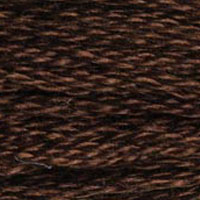
White Aida
Cream / Ecru
Black Aida
Pairs Well With
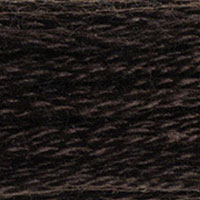
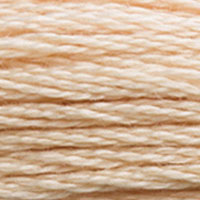
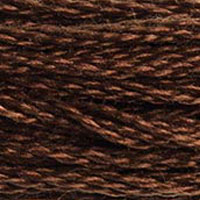
DMC colors commonly used alongside 938 Ultra Dark Coffee Brown.
Detailed Conversions
Where to Buy DMC 938
This section contains affiliate links. We may earn a small commission at no cost to you.
Related Guides
Free Printable Thread Conversion Chart
Pick a brand, enter your email, and we'll send you a printable chart mapping all 552 DMC colors to that brand's equivalents. Zero spam, one chart.
Thanks! Here's your free chart:
Download Your ChartOpens in a new tab. Use your browser's Print → Save as PDF.
No spam. Your email is stored securely and never shared.