
Quick Conversion Table
| Brand | Equivalent | Match |
|---|---|---|
| Anchor | 128 | close |
| Madeira | 1007 | close |
| Cosmo ⚠ | 2636 | close |
| Sullivans | 45212 | close |
A Thread That Changes Its Mind
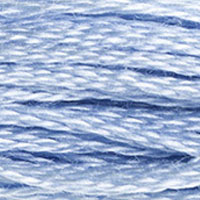
Variegated threads are the improvisers of the cross-stitch world. Where a solid thread gives you predictability — the same color from the first stitch to the last — a variegated thread introduces controlled unpredictability, shifting from lighter to darker values within a single skein as you stitch. DMC 67 Variegated Baby Blue does this in the pale blue range, moving from a whisper-light blue that's barely distinguishable from white to a soft medium blue and back again, creating an organic variation that no amount of planned color changes with solid threads can quite replicate.
This makes 67 both exciting and challenging. Exciting because the color shifts create visual texture automatically — you don't have to plan it, you just stitch and let the thread do its work. Challenging because the unpredictability means you can't control exactly where the transitions fall within your design. A stitch might land on a light section of thread or a medium section, and the pattern of light and dark across your finished piece will be unique to that specific stitching — a one-of-a-kind result that can't be precisely reproduced.
Water Without a Plan
Water doesn't have a plan either, and that's why variegated blues like 67 excel at stitching water. The way light shifts across a rippled surface — brighter here, darker there, constantly changing — is almost impossible to capture with solid threads unless you're willing to plan dozens of single-stitch color changes. DMC 67 gives you that shifting quality automatically. For lake surfaces, gentle ocean swells, or the background of an underwater scene, 67 creates the impression of light playing across water without requiring you to chart every value change by hand.
The same principle applies to sky. Real skies aren't flat fields of color — they shift in value from lighter near the horizon to deeper overhead, with variations caused by clouds, atmospheric moisture, and angle of sunlight. A background stitched in 67 captures that variation naturally, giving your sky a subtle living quality that a flat field of DMC 827 or 813 wouldn't provide.
Working with Variegated Thread: Practical Notes
Technique matters more with variegated thread than with solid colors. The Danish method — completing each cross before moving to the next — tends to produce shorter color runs, which means more frequent transitions and a more evenly mixed appearance. The English method — stitching a full row of half-crosses and then returning — creates longer runs of each value, which means more distinct bands of light and medium. Neither is wrong; they just produce different effects. For a gently mottled look (ideal for water or sky backgrounds), use the Danish method. For more pronounced value banding (which can create interesting striped effects in geometric patterns), try the English method.
Parking technique, where you leave threads hanging at different points in the design, is generally not recommended with variegated threads. Every time you cut and restart, you interrupt the color sequence, and the transitions become less organic and more random. For the best results, stitch continuously within a color area, working through the variegation pattern as it comes.
Pair 67 with solid DMC blues for contrast: DMC 798 (Dark Delft Blue) for backstitching creates crisp outlines against the shifting background, while DMC 775 (Very Light Baby Blue) can fill adjacent areas where you want the variegated effect to transition into a stable, pale wash. DMC 813 (Light Blue) makes a good companion solid — its value sits in the middle of 67's range, providing a stable anchor alongside the variegated thread's inherent motion.
The Variegation Problem
Substituting variegated threads is fundamentally different from substituting solid ones. With a solid thread, you're matching a single color. With a variegated, you need to match the range of values, the rate of transition between them, and the specific colors at each end of the gradient — and every brand handles these parameters differently.
All four substitutes listed for DMC 67 carry "close" ratings, and that's generous. Anchor 128, Madeira 1007, Cosmo 2636, and Sullivans 45212 may approximate the general color territory but are unlikely to replicate the specific transition pattern of DMC 67. Some brands produce variegated threads with abrupt color changes; others produce gradual shifts. The length of each color run varies between manufacturers. These differences mean that a substitute will produce a visually different — not just slightly different, but noticeably different — pattern of color across your finished piece.
If you can't source DMC 67, one practical alternative is to simulate its effect using two solid DMC threads in a blended needle: one strand of DMC 775 (Very Light Baby Blue) and one strand of DMC 813 (Light Blue). This won't replicate the gradual value shifting of a true variegated thread, but it creates a consistent mixed-value blue that occupies roughly the same visual territory. Some stitchers actually prefer this approach for its predictability, even when the variegated thread is available.
For the most authentic substitution, source the DMC original. Variegated threads are specific enough in their behavior that cross-brand equivalents are more suggestive than reliable.
Reference quality
How We Validate This Color Record
Use this page as a reference card for DMC 67: the structured data, quick conversions, and long-form copy are all tied back to the same stored color record.
- Methodology
- This page renders DMC 67, its hex value, and every brand equivalent from the site's source-of-truth color record, then checks long-form body copy against those same stored fields.
- Verification status
- Source-field checked. The page content is audited against the stored DMC number, brand equivalents, and match-quality labels before publishing.
- Last reviewed
- 2026-04-20
- Approximation warning
- Screen hex values, thread photos, and cross-brand conversions are reference aids. Dye lots, thread sheen, and fabric color can still shift the result in hand.
Decision guide
When to use the DMC 67 reference page
This page should help you decide faster between palette planning, brand substitution, and shade comparison without turning the color record into a thin lookup page.
Best for
- + Palette planning when you want the stored DMC 67 Variegated Baby Blue record, hex value #A0C0E8, and linked brand equivalents in one place.
- + Checking the quickest cross-brand shortlist before you buy floss, compare stash substitutes, or route into a more specific conversion page.
- + Finding nearby shades in the blues family before you commit to accents, shading, or background blends.
Watch for
- ! Screen previews are only reference aids. Variegated Baby Blue can shift on real fabric because thread sheen, stitch coverage, and room lighting change how the color reads.
- ! A stored equivalent is still a shortlist, not a guarantee that two brands will disappear into each other in the same stitched motif.
- ! Older charts, discontinued kit floss, and dye-lot variation can all introduce small but visible differences that the page cannot detect for you.
Before you commit
- Confirm the role of DMC 67 Variegated Baby Blue: decide whether you need an exact hero shade, a forgiving background, or a rough stash substitute.
- Compare on project fabric: view the skein or stitched sample on the same fabric count and color you will actually use.
- Use the linked conversion pages next: open the brand-specific pages when you need match-quality caveats before substituting away from the DMC reference.
DMC 67 FAQ
These questions appear on the page so the FAQ schema stays aligned with what visitors can actually read.
What is the Anchor equivalent of DMC 67?+
The closest Anchor equivalent to DMC 67 (Variegated Baby Blue) is Anchor 128. This is a close match.
What color is DMC 67?+
DMC 67 is called "Variegated Baby Blue" and has a hex color value of #A0C0E8. It belongs to the blues color family.
What is the Madeira equivalent of DMC 67?+
The closest Madeira equivalent to DMC 67 (Variegated Baby Blue) is Madeira 1007. This is a close match.
How DMC 67 Looks on Fabric
The same thread appears different depending on your fabric. Always test on your project fabric.
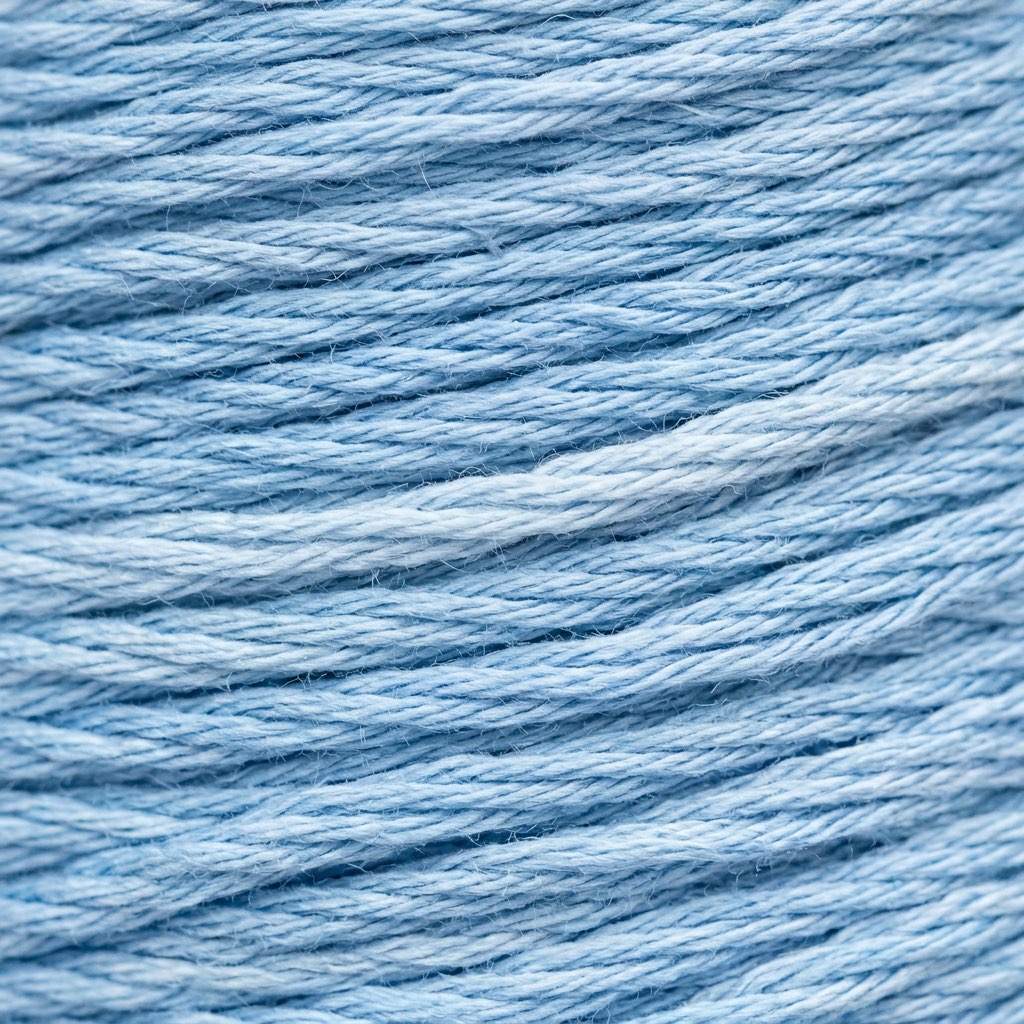
White Aida
Cream / Ecru
Black Aida
Pairs Well With
DMC colors commonly used alongside 67 Variegated Baby Blue.
Suggested Palette
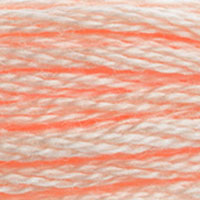
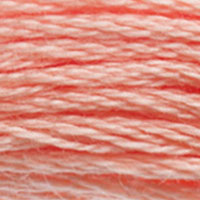
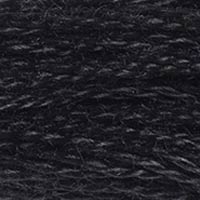
Shading Companions

Detailed Conversions
Where to Buy DMC 67
This section contains affiliate links. We may earn a small commission at no cost to you.
Related Guides
Free Printable Thread Conversion Chart
Pick a brand, enter your email, and we'll send you a printable chart mapping all 552 DMC colors to that brand's equivalents. Zero spam, one chart.
Thanks! Here's your free chart:
Download Your ChartOpens in a new tab. Use your browser's Print → Save as PDF.
No spam. Your email is stored securely and never shared.