
Quick Conversion Table
| Brand | Equivalent | Match |
|---|---|---|
| Anchor | 161 | close |
| Madeira | 1015 | close |
| Cosmo ⚠ | 176 | close |
| Sullivans | 45204 | close |
Not Really a Baby Blue at All
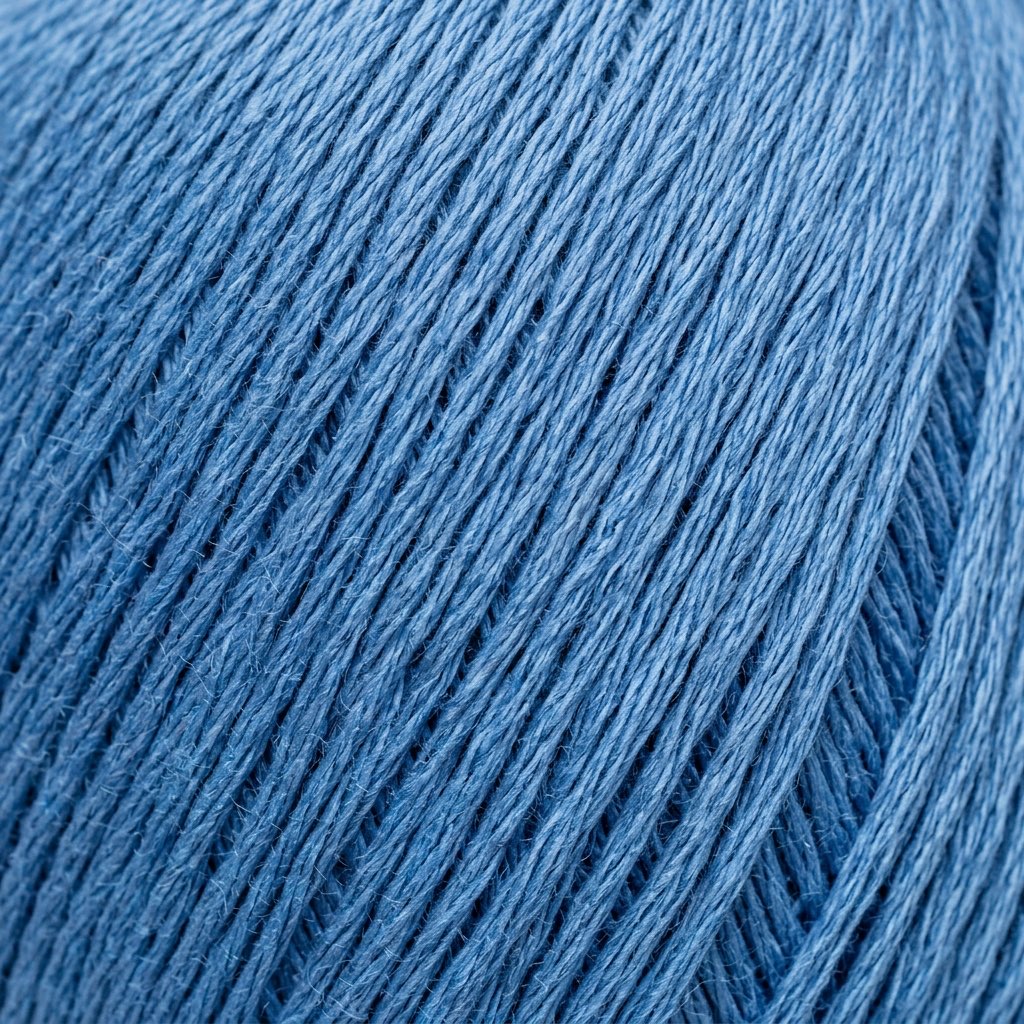
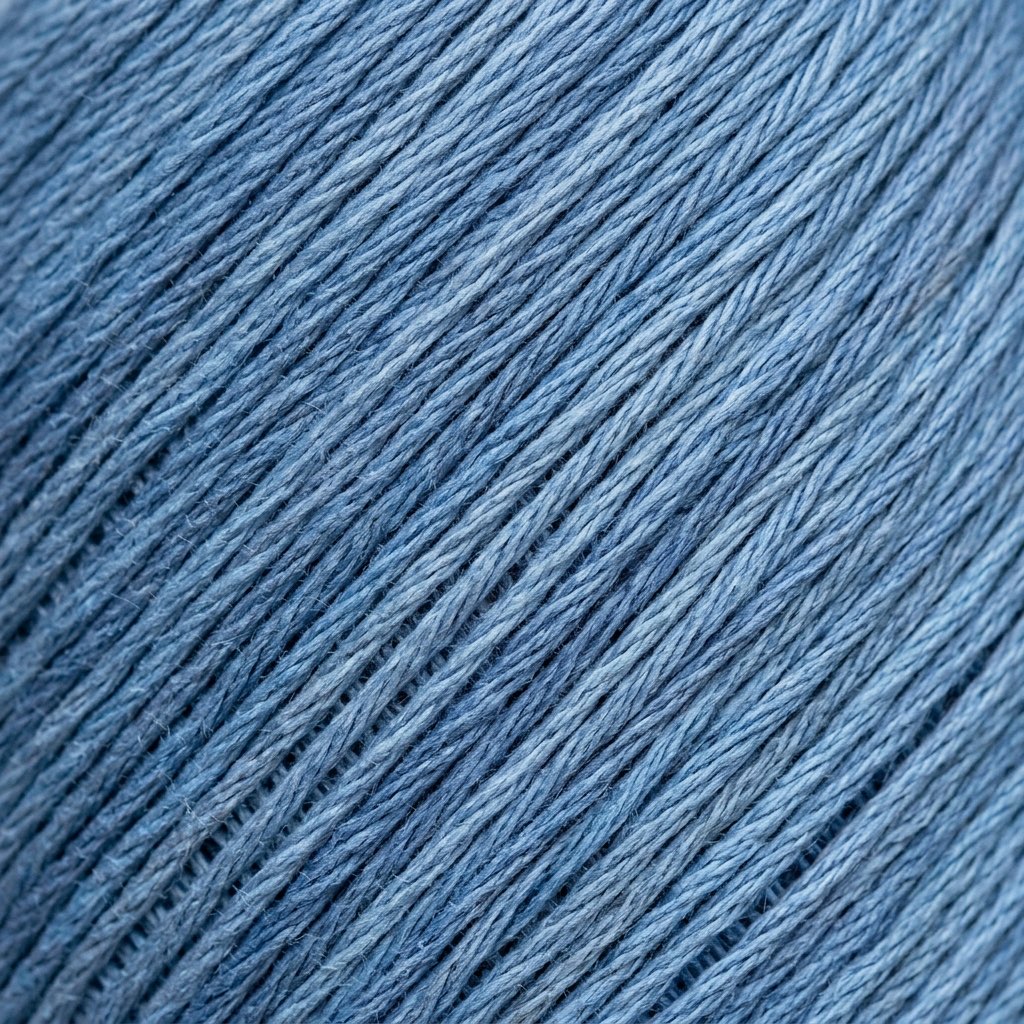
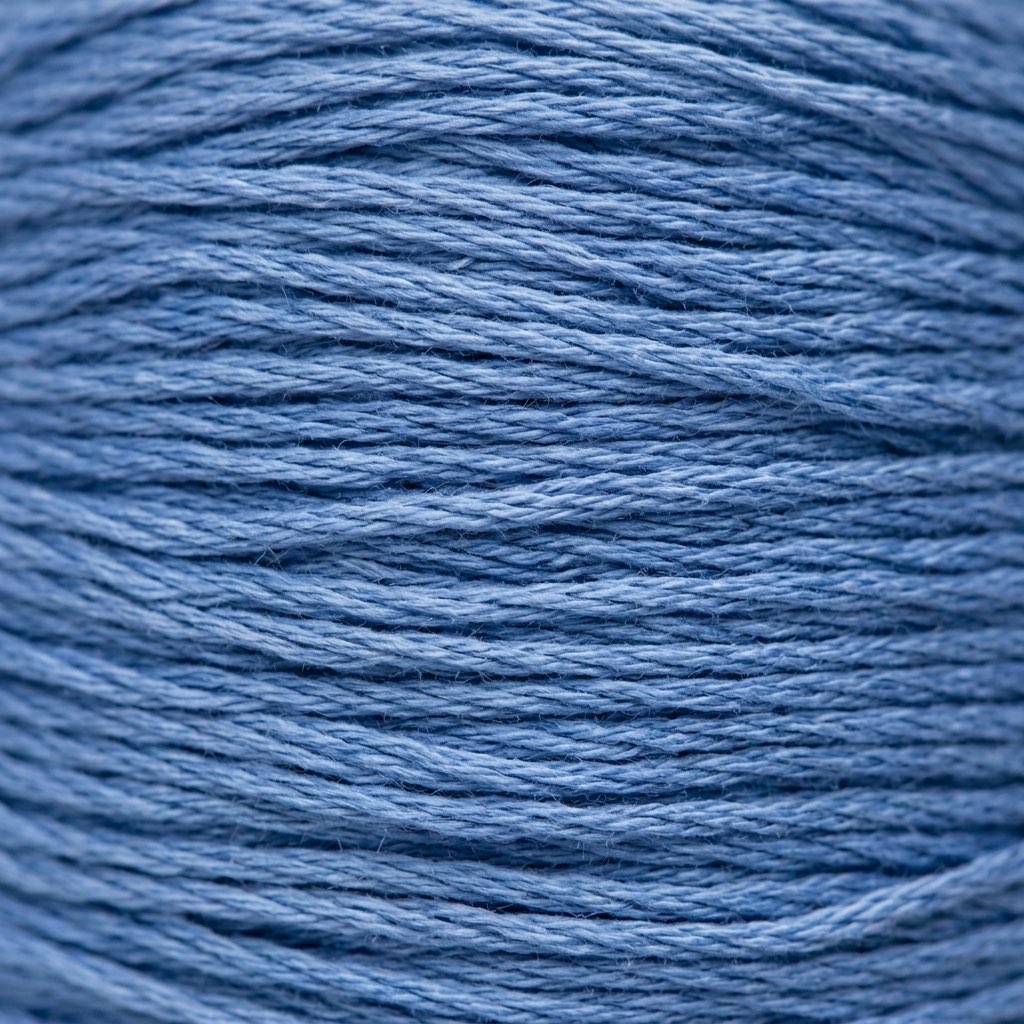
Names lie sometimes. DMC calls 546 "Medium Baby Blue," and while you can see why — it lives in a light-to-medium value range, it has a softness to it, it's the kind of blue you'd consider for a birth sampler — calling it a baby blue undersells what this thread actually does. Pull a skein out of your stash and look at it honestly, and what you see is closer to denim. Faded denim, specifically — the blue of a well-loved pair of jeans that has been through a hundred washes and come out softer, gentler, and more interesting than the day it was bought. There's a dustiness to 546 that lifts it out of the baby-blue-for-nurseries category and into something more versatile and more grown-up.
That dusty, slightly greyed quality makes 546 a bridge thread — one that connects the brighter, purer blues in your palette to the more muted, sophisticated ones. In a design that ranges from DMC 797 (Royal Blue) down through the medium blues and into the pale washes, 546 can serve as the transitional step that prevents the shift from looking abrupt. Its gentle desaturation smooths the gradient the way a well-placed rest note smooths a musical phrase.
"Feeling Blue" — Music, Mood, and Thread
The blues — the music genre — didn't get its name by accident. There is a specific emotional register associated with medium, slightly greyed blue that English has captured in the phrase "feeling blue." Not the dramatic despair of black, not the anxious intensity of electric blue, but a quieter, more contemplative melancholy — the kind you feel on a rainy Sunday afternoon when you're not exactly sad but not exactly happy either. DMC 546 is that emotional register translated into thread. It is the color of introspection, of looking out a rain-streaked window, of those moments between activities when your mind drifts.
This makes 546 remarkably effective in designs that aim for mood over representation. Abstract cross-stitch, free-form stitched art, text-based pieces with contemplative quotes — all of these benefit from a blue that carries emotional weight without the drama of darker or more saturated options. If you're stitching a piece that's meant to feel meditative, like a mandala or a repetitive geometric pattern, 546 as the dominant color creates a calm, almost hypnotic quality that brighter blues would undermine.
Practical Notes for Stitching
Coverage with 546 on 14-count Aida is excellent with two strands using the Danish method. The thread has enough body to fill crosses evenly without looking overworked. On higher counts — 18 or 28-over-two — you'll want to pay attention to railroading, as the slightly dusty quality of this shade can look uneven if strands twist and catch light differently. The good news is that 546 is forgiving of minor tension inconsistencies; its muted character means that slight variations in stitch tightness don't create the visible texture differences that brighter threads would reveal.
Pair 546 with DMC 545 (Light Wedgwood Blue) and DMC 547 (Pale Blue) for a soft gradient within the same extended family. For contrast pairings, DMC 3740 (Dark Antique Violet) or DMC 3041 (Medium Antique Violet) create a blue-violet combination reminiscent of twilight — that ten-minute window when the sky can't decide whether it's blue or purple. Add DMC 712 (Cream) or DMC 746 (Off White) for highlights and you have a palette that's naturally harmonious, requiring no effort to balance because the colors are doing the work themselves.
The Dusty Middle Ground
All four substitute listings for 546 carry "close" rather than "exact" ratings, which is a pattern you see with threads that occupy an unusual position in color space. 546's blend of baby-blue naming and denim-blue reality doesn't map cleanly onto other brands' systems, which tend to organize their blues into more conventional categories.
Anchor 161 is probably your best bet among the alternatives. It captures the medium value and the slightly dusty quality, though it may read as fractionally more saturated — a difference that's visible mainly when you hold the two side by side on white fabric. In a multi-color design where 546 is one of many threads, Anchor 161 will function identically in the composition.
Madeira 1015 covers the value range correctly but may lean slightly greener than DMC's version. This is subtle — we're talking about a shift detectable only in careful comparison — but if your design uses 546 alongside clearly warm-toned blues, a slightly green-leaning substitute could introduce a temperature inconsistency.
Cosmo 176 approaches from a slightly different angle, potentially offering a hair more clarity than DMC's dustier version. Whether this is better or worse depends entirely on your project. For a design that wants a clean, modern blue, Cosmo 176 might actually be preferable to the DMC original. For vintage, folk art, or mood-driven pieces where that dustiness is the point, stick with DMC or the Anchor equivalent.
Within DMC, the nearest alternatives are DMC 793 (Medium Cornflower Blue), which shares the value but carries a violet undertone, and DMC 826 (Medium Blue), which is cleaner and bluer. Neither is a swap — they're neighbors, not twins.
Reference quality
How We Validate This Color Record
Use this page as a reference card for DMC 546: the structured data, quick conversions, and long-form copy are all tied back to the same stored color record.
- Methodology
- This page renders DMC 546, its hex value, and every brand equivalent from the site's source-of-truth color record, then checks long-form body copy against those same stored fields.
- Verification status
- Source-field checked. The page content is audited against the stored DMC number, brand equivalents, and match-quality labels before publishing.
- Last reviewed
- 2026-04-20
- Approximation warning
- Screen hex values, thread photos, and cross-brand conversions are reference aids. Dye lots, thread sheen, and fabric color can still shift the result in hand.
Decision guide
When to use the DMC 546 reference page
This page should help you decide faster between palette planning, brand substitution, and shade comparison without turning the color record into a thin lookup page.
Best for
- + Palette planning when you want the stored DMC 546 Medium Baby Blue record, hex value #7898C0, and linked brand equivalents in one place.
- + Checking the quickest cross-brand shortlist before you buy floss, compare stash substitutes, or route into a more specific conversion page.
- + Finding nearby shades in the blues family before you commit to accents, shading, or background blends.
Watch for
- ! Screen previews are only reference aids. Medium Baby Blue can shift on real fabric because thread sheen, stitch coverage, and room lighting change how the color reads.
- ! A stored equivalent is still a shortlist, not a guarantee that two brands will disappear into each other in the same stitched motif.
- ! Older charts, discontinued kit floss, and dye-lot variation can all introduce small but visible differences that the page cannot detect for you.
Before you commit
- Confirm the role of DMC 546 Medium Baby Blue: decide whether you need an exact hero shade, a forgiving background, or a rough stash substitute.
- Compare on project fabric: view the skein or stitched sample on the same fabric count and color you will actually use.
- Use the linked conversion pages next: open the brand-specific pages when you need match-quality caveats before substituting away from the DMC reference.
DMC 546 FAQ
These questions appear on the page so the FAQ schema stays aligned with what visitors can actually read.
What is the Anchor equivalent of DMC 546?+
The closest Anchor equivalent to DMC 546 (Medium Baby Blue) is Anchor 161. This is a close match.
What color is DMC 546?+
DMC 546 is called "Medium Baby Blue" and has a hex color value of #7898C0. It belongs to the blues color family.
What is the Madeira equivalent of DMC 546?+
The closest Madeira equivalent to DMC 546 (Medium Baby Blue) is Madeira 1015. This is a close match.
How DMC 546 Looks on Fabric
The same thread appears different depending on your fabric. Always test on your project fabric.
White Aida
Cream / Ecru
Black Aida
Pairs Well With
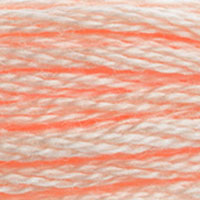
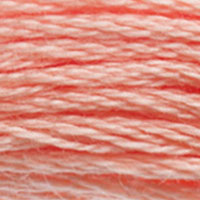
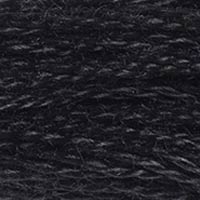
DMC colors commonly used alongside 546 Medium Baby Blue.
Suggested Palette
Shading Companions
Detailed Conversions
Where to Buy DMC 546
This section contains affiliate links. We may earn a small commission at no cost to you.
Related Guides
Free Printable Thread Conversion Chart
Pick a brand, enter your email, and we'll send you a printable chart mapping all 552 DMC colors to that brand's equivalents. Zero spam, one chart.
Thanks! Here's your free chart:
Download Your ChartOpens in a new tab. Use your browser's Print → Save as PDF.
No spam. Your email is stored securely and never shared.