
Quick Conversion Table
| Brand | Equivalent | Match |
|---|---|---|
| Anchor | 901 | close |
| Madeira | 2210 | close |
| Cosmo ⚠ | 576 | close |
| Sullivans | 45426 | close |
| J&P Coats | 2876 | close |
Antique Gold Without the Metallic Headache
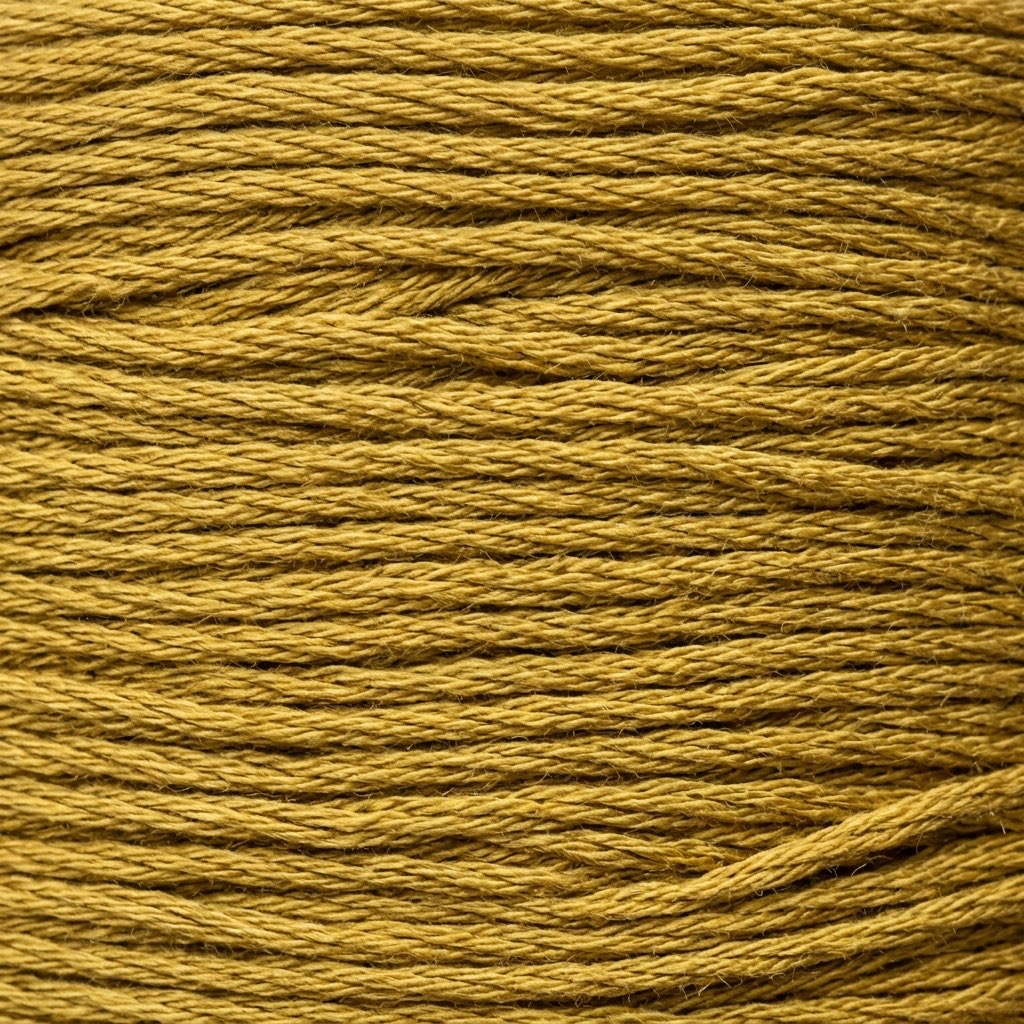
If you've ever fought with metallic gold thread — watching it shred, tangle, and refuse to cooperate while you try to stitch a crown, a picture frame, or a church vestment detail — then DMC 3829 Very Dark Old Gold might be the thread you didn't know you needed. At hex #A98204, this is a deep, rich, amber-brown gold that reads convincingly as aged or antique gold without requiring a single strand of metallic anything.
The trick is in the depth. Real gold objects — candlesticks, chalices, frame corners, jewelry in oil paintings — are rarely the bright, flashy yellow that metallic threads try to emulate. In their shadowed areas, they're this exact shade: a dark, warm amber with just enough yellow to register as gold rather than brown. DMC 3829 captures that shadow gold perfectly, and when paired with lighter golds like DMC 729 (Medium Old Gold) and DMC 677 (Very Light Old Gold) for highlights, you can create golden objects that look three-dimensional and genuinely metallic without touching metallic thread.
The Old Gold Shading Family
DMC 3829 anchors the dark end of the old gold family, which runs through DMC 680 (Dark Old Gold), DMC 729 (Medium Old Gold), and up to DMC 677 (Very Light Old Gold). This is one of the most useful four-thread gradients in the entire DMC range. It gives you everything you need for medieval illuminated manuscript borders, Renaissance painting reproductions, icon frames, and the gold elements of heraldic designs.
The key to using this family effectively is understanding that 3829 isn't just "dark gold" — it's the shadow tone. In any golden object, 3829 appears in the deepest recesses, the turned edges, the places where light doesn't reach. Overuse it and your gold looks dirty. Use it sparingly and correctly, and it provides the visual weight that convinces the viewer they're looking at a metallic surface rendered in thread.
Historical and Religious Cross-Stitch
Church embroidery and ecclesiastical needlework have used gold extensively for centuries, and DMC 3829 earns its place in that tradition. Icons, altar cloths, vestment designs, and biblical scenes all call for gold elements. While historically these would have been rendered in actual gold thread (couched goldwork), modern cross-stitch adaptations frequently substitute the old gold family for a more practical approach.
DMC 3829 provides the foundation — the darkest shadows of golden halos, the outlines of illuminated letters, the depth behind golden crowns. Some designers also use it for backstitch outlines on golden elements, where black backstitch would look too harsh and break the illusion of metal. A single strand of 3829 around areas stitched in DMC 729 or DMC 680 creates a warm, cohesive outline that defines the shape without shattering the gold illusion.
Beyond religious work, 3829 is valuable in any design involving autumn foliage, aged brass hardware, amber honey in a jar, or the warm glow of firelight on wooden surfaces. It occupies that rich, deep territory where gold turns to amber, and very few other threads can fill that role as naturally.
Matching DMC 3829 Very Dark Old Gold
Deep, amber-toned golds are relatively uncommon in most thread ranges, which makes finding exact substitutes more challenging than with brighter yellows.
Anchor 901 is a close match. Anchor's interpretation tends to sit fractionally warmer — leaning slightly more toward brown than DMC's version. For standalone use, this is rarely an issue, but if you're blending with the rest of the DMC old gold family, the undertone shift can create a slightly uneven transition.
Madeira 2210 is close, with Madeira's natural sheen adding a subtle luminosity that can actually enhance the gold illusion. This is one case where Madeira's sheeny character might be considered an advantage over DMC's more matte finish.
Cosmo 576 provides a close match with Cosmo's typically softer hand. The thread may read as very slightly less saturated than DMC's, giving a more muted, antiqued feel.
Within the DMC range, the confusion point is between 3829 and DMC 780 (Ultra Very Dark Topaz). Both are deep amber-golds, but 780 leans slightly browner and is a touch darker. They serve similar roles but belong to different shading families — 3829 connects to the old gold group (680, 729, 677), while 780 connects to the topaz group (781, 782, 783). Make sure you're pulling from the right family for your pattern's shading logic.
- For a warmer substitute: DMC 780 (Ultra Very Dark Topaz) is close but darker and browner.
- For a brighter substitute: DMC 680 (Dark Old Gold) is the next step lighter in the same family.
Reference quality
How We Validate This Color Record
Use this page as a reference card for DMC 3829: the structured data, quick conversions, and long-form copy are all tied back to the same stored color record.
- Methodology
- This page renders DMC 3829, its hex value, and every brand equivalent from the site's source-of-truth color record, then checks long-form body copy against those same stored fields.
- Verification status
- Source-field checked. The page content is audited against the stored DMC number, brand equivalents, and match-quality labels before publishing.
- Last reviewed
- 2026-04-20
- Approximation warning
- Screen hex values, thread photos, and cross-brand conversions are reference aids. Dye lots, thread sheen, and fabric color can still shift the result in hand.
Decision guide
When to use the DMC 3829 reference page
This page should help you decide faster between palette planning, brand substitution, and shade comparison without turning the color record into a thin lookup page.
Best for
- + Palette planning when you want the stored DMC 3829 Very Dark Old Gold record, hex value #A98204, and linked brand equivalents in one place.
- + Checking the quickest cross-brand shortlist before you buy floss, compare stash substitutes, or route into a more specific conversion page.
- + Finding nearby shades in the yellows family before you commit to accents, shading, or background blends.
Watch for
- ! Screen previews are only reference aids. Very Dark Old Gold can shift on real fabric because thread sheen, stitch coverage, and room lighting change how the color reads.
- ! A stored equivalent is still a shortlist, not a guarantee that two brands will disappear into each other in the same stitched motif.
- ! Older charts, discontinued kit floss, and dye-lot variation can all introduce small but visible differences that the page cannot detect for you.
Before you commit
- Confirm the role of DMC 3829 Very Dark Old Gold: decide whether you need an exact hero shade, a forgiving background, or a rough stash substitute.
- Compare on project fabric: view the skein or stitched sample on the same fabric count and color you will actually use.
- Use the linked conversion pages next: open the brand-specific pages when you need match-quality caveats before substituting away from the DMC reference.
DMC 3829 FAQ
These questions appear on the page so the FAQ schema stays aligned with what visitors can actually read.
What is the Anchor equivalent of DMC 3829?+
The closest Anchor equivalent to DMC 3829 (Very Dark Old Gold) is Anchor 901. This is a close match.
What color is DMC 3829?+
DMC 3829 is called "Very Dark Old Gold" and has a hex color value of #A98204. It belongs to the yellows color family.
What is the Madeira equivalent of DMC 3829?+
The closest Madeira equivalent to DMC 3829 (Very Dark Old Gold) is Madeira 2210. This is a close match.
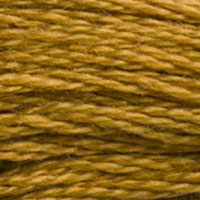
How DMC 3829 Looks on Fabric
The same thread appears different depending on your fabric. Always test on your project fabric.
White Aida
Cream / Ecru
Black Aida
Pairs Well With
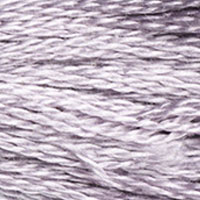
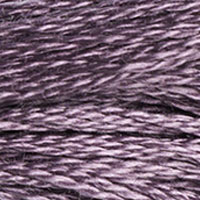
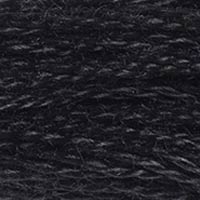
DMC colors commonly used alongside 3829 Very Dark Old Gold.
Suggested Palette
Shading Companions
Detailed Conversions
Where to Buy DMC 3829
This section contains affiliate links. We may earn a small commission at no cost to you.
Related Guides
Free Printable Thread Conversion Chart
Pick a brand, enter your email, and we'll send you a printable chart mapping all 552 DMC colors to that brand's equivalents. Zero spam, one chart.
Thanks! Here's your free chart:
Download Your ChartOpens in a new tab. Use your browser's Print → Save as PDF.
No spam. Your email is stored securely and never shared.