
Quick Conversion Table
| Brand | Equivalent | Match |
|---|---|---|
| Anchor | 1013 | exact |
| Madeira | 0403 | close |
| Cosmo ⚠ | 464 | close |
| Sullivans | 45391 | close |
| J&P Coats | 2338 | close |
| Bucilla | 3778 | close |
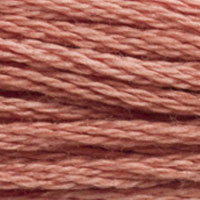
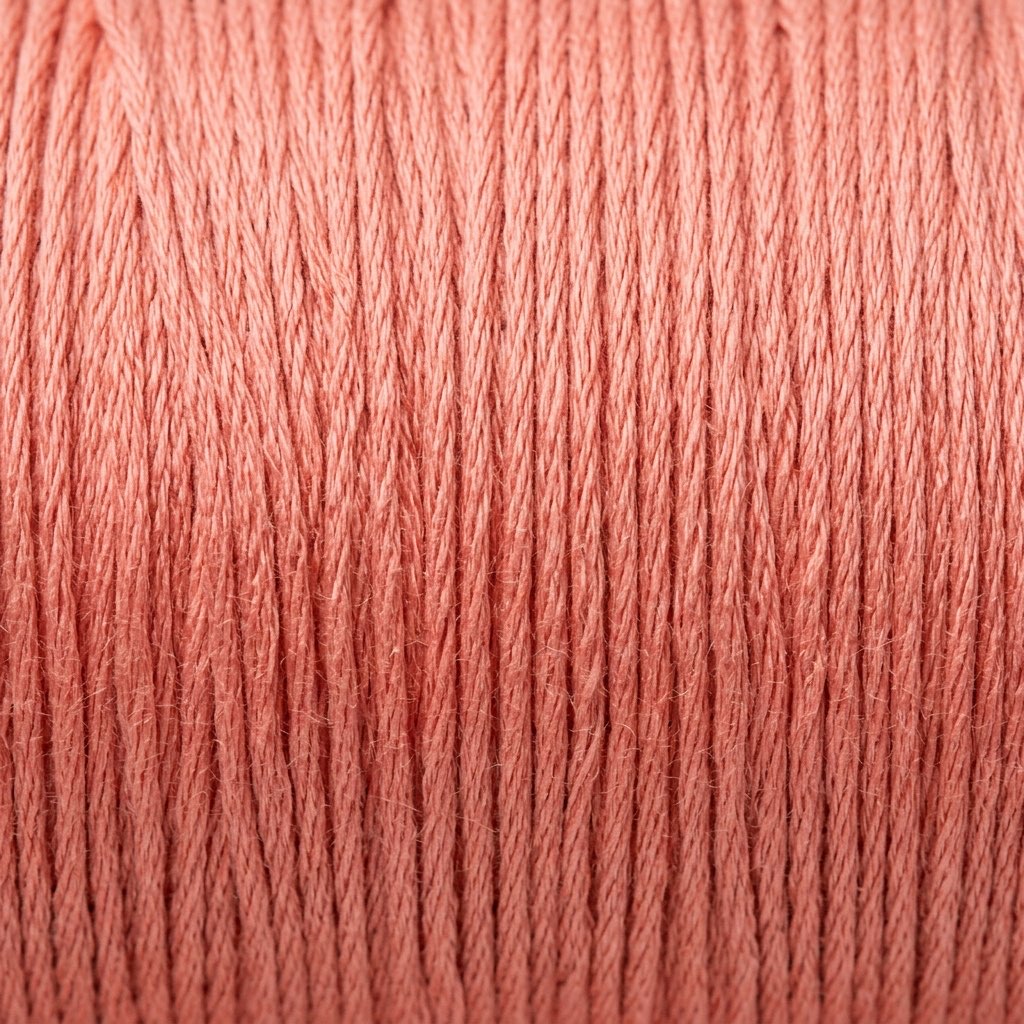
Somewhere between salmon and brick, between blush and rust, sits a color that interior designers have declared fashionable multiple times and cross-stitchers have quietly relied on for decades: a warm, mid-light terra cotta that reads as earthy without being heavy. DMC 3778, Light Terra Cotta, occupies exactly this territory. At hex #D98978, it's a medium-warm pinkish-red-brown — not as assertive as the pure terra cottas, not as pale as the near-flesh tones, but the kind of color that makes a palette breathe.
Within the terra cotta family, 3778 typically occupies the upper-midtone position — darker than DMC 3771 (Ultra Very Light Terra Cotta) and DMC 356's lighter neighbors, lighter than DMC 356 (Medium Terra Cotta) and significantly lighter than DMC 3777 (Very Dark Terra Cotta). This puts it in the range that's visible and warm without being dominant — the color that carries the palette's warmth into areas that need to remain readable rather than dramatic.
Florals and Botanical Work
Rose and peony designs use Light Terra Cotta extensively. In rose stitching, the transition between the bright pinks or reds of the outer petals and the warm shadow of the inner cupped petals often passes through a terra cotta intermediate — and 3778 is frequently the right thread for that in-between zone. It provides warmth without the pink quality of the rose reds, grounding the color without darkening it enough to create a harsh shadow.
Autumn botanicals use 3778 for dried flower tones: strawflowers, sunflower petals as they age to pink-orange, the warm husk of seed heads. Combined with DMC 3826 (Golden Brown) and DMC 3776 (Light Mahogany), you can build the warm, slightly sun-faded palette of an autumn pressed-flower arrangement.
Pottery and Craft Representation
For designs featuring pottery, ceramics, or clay-based craft objects — a popular subject in cottage, Provençal, and farmhouse-style cross-stitch — DMC 3778 is the mid-tone color of sun-warmed terra cotta pots. Cross-stitch designs featuring Mediterranean herb gardens, Italian clay urns, or French farmhouse kitchens consistently call for threads in this range. Paired with DMC 3777 (Very Dark Terra Cotta) for shadow and DMC 3771 (Ultra Very Light Terra Cotta) for highlight, the pottery color feels convincingly three-dimensional.
Folk embroidery traditions from Hungary, Romania, and Bulgaria use colors in this range extensively — the warm reds and orange-reds that appear in traditional floral folk patterns. Cross-stitch interpretations of these traditions, which have become increasingly popular in SALs and pattern releases, reach for 3778 when they need a warm mid-range red that reads as folk-traditional without being as vivid as Christmas red or as dark as burgundy. Paired with DMC 3813 (Light Blue Green) and DMC 3815 (Dark Celadon Green), it creates that particular Eastern European folk palette.
A final note on 3778's behavior over time: terra cotta-range threads tend to be quite stable under normal display conditions. The iron-based pigment chemistry that underlies these warm red-brown colors has excellent light-fastness compared to some blue and green dyes. For pieces intended for long-term display near windows or in brighter interior spaces, this stability is worth factoring into your palette choices — 3778 is unlikely to fade significantly over the years that a well-made heirloom piece will hang.
Anchor 1013 is an exact match for DMC 3778, reliable and recommended for cases where the DMC isn't available. Given how useful this color is in florals and folk art designs, having the Anchor equivalent confirmed as exact is practical information worth keeping in your notes.
Madeira 0403 is rated close. The Madeira equivalent in this range tends to read very similarly to DMC 3778 under most conditions, though it can sit slightly more pink in some lots — slightly less of the brown terra cotta quality, slightly more of the rosy warmth. For most applications this distinction is minor. In precisely sequenced terra cotta gradients, check the swatch.
Cosmo 464 and Sullivans 45391 are both rated close. Cosmo 464 is generally a reliable close match. Sullivans 45391 is acceptable though the typical Sullivans caveat about dye lot consistency applies — check before use in large areas.
Within the DMC terra cotta family, the adjacent values are DMC 3771 (Ultra Very Light Terra Cotta) — significantly lighter — and DMC 356 (Medium Terra Cotta) — noticeably darker and more saturated. If you need to substitute up or down the family, these are the steps. DMC 352 (Light Coral) covers adjacent territory in the pink-orange range with more true-pink quality. DMC 3830 (Terra Cotta) is a useful alternative at a similar saturation level though slightly more purely orange-red.
Reference quality
How We Validate This Color Record
Use this page as a reference card for DMC 3778: the structured data, quick conversions, and long-form copy are all tied back to the same stored color record.
- Methodology
- This page renders DMC 3778, its hex value, and every brand equivalent from the site's source-of-truth color record, then checks long-form body copy against those same stored fields.
- Verification status
- Source-field checked. The page content is audited against the stored DMC number, brand equivalents, and match-quality labels before publishing.
- Last reviewed
- 2026-04-20
- Approximation warning
- Screen hex values, thread photos, and cross-brand conversions are reference aids. Dye lots, thread sheen, and fabric color can still shift the result in hand.
Decision guide
When to use the DMC 3778 reference page
This page should help you decide faster between palette planning, brand substitution, and shade comparison without turning the color record into a thin lookup page.
Best for
- + Palette planning when you want the stored DMC 3778 Light Terra Cotta record, hex value #D98978, and linked brand equivalents in one place.
- + Checking the quickest cross-brand shortlist before you buy floss, compare stash substitutes, or route into a more specific conversion page.
- + Finding nearby shades in the reds family before you commit to accents, shading, or background blends.
Watch for
- ! Screen previews are only reference aids. Light Terra Cotta can shift on real fabric because thread sheen, stitch coverage, and room lighting change how the color reads.
- ! A stored equivalent is still a shortlist, not a guarantee that two brands will disappear into each other in the same stitched motif.
- ! Older charts, discontinued kit floss, and dye-lot variation can all introduce small but visible differences that the page cannot detect for you.
Before you commit
- Confirm the role of DMC 3778 Light Terra Cotta: decide whether you need an exact hero shade, a forgiving background, or a rough stash substitute.
- Compare on project fabric: view the skein or stitched sample on the same fabric count and color you will actually use.
- Use the linked conversion pages next: open the brand-specific pages when you need match-quality caveats before substituting away from the DMC reference.
DMC 3778 FAQ
These questions appear on the page so the FAQ schema stays aligned with what visitors can actually read.
What is the Anchor equivalent of DMC 3778?+
The closest Anchor equivalent to DMC 3778 (Light Terra Cotta) is Anchor 1013. This is an exact match.
What color is DMC 3778?+
DMC 3778 is called "Light Terra Cotta" and has a hex color value of #D98978. It belongs to the reds color family.
What is the Madeira equivalent of DMC 3778?+
The closest Madeira equivalent to DMC 3778 (Light Terra Cotta) is Madeira 0403. This is a close match.
How DMC 3778 Looks on Fabric
The same thread appears different depending on your fabric. Always test on your project fabric.
White Aida
Cream / Ecru
Black Aida
Pairs Well With
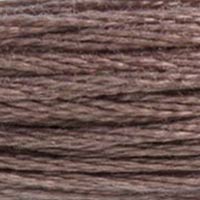
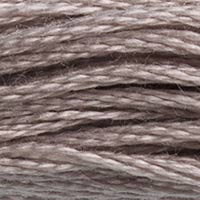
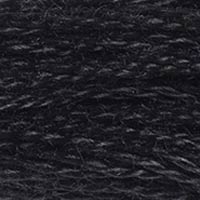
DMC colors commonly used alongside 3778 Light Terra Cotta.
Suggested Palette
Shading Companions
Detailed Conversions
Where to Buy DMC 3778
This section contains affiliate links. We may earn a small commission at no cost to you.
Related Guides
Free Printable Thread Conversion Chart
Pick a brand, enter your email, and we'll send you a printable chart mapping all 552 DMC colors to that brand's equivalents. Zero spam, one chart.
Thanks! Here's your free chart:
Download Your ChartOpens in a new tab. Use your browser's Print → Save as PDF.
No spam. Your email is stored securely and never shared.