
DMC 3024 — Very Light Brown Gray
Neutrals family · Hex #EBEAE7
Quick Conversion Table
| Brand | Equivalent | Match |
|---|---|---|
| Anchor | 388 | close |
| Madeira | 1805 | close |
| Cosmo ⚠ | 713 | close |
| Sullivans | 45322 | close |
| J&P Coats | 8397 | close |
| Bucilla | 3400 | close |
The Quiet Problem Solver
Every experienced stitcher has a short list of "save it" colors — threads they reach for when something in a project is not working but they cannot quite figure out why. DMC 3024 Very Light Brown Gray belongs on that list. Too much contrast between a background and the main motif? Fill some negative space with 3024. Skin tones looking flat? Add 3024 as a subtle highlight above your main flesh color. Two adjacent colors clashing? Slip a row of 3024 between them as a visual buffer.
This problem-solving ability comes from 3024's position at the very top of the brown gray family — so light it barely registers as having color at all, yet warm enough to soften transitions rather than sharpen them. It is lighter than DMC 3023 Light Brown Gray but stops short of the pure off-whites like Ecru or DMC 746. That narrow band of value is exactly where the magic happens.
Understanding the Beige-Taupe-Ecru Triangle
Stitchers frequently get tangled in the nomenclature of light warm neutrals. What is the difference between beige, taupe, ecru, cream, and off-white? In DMC's system, these terms overlap in confusing ways, so let us be specific about where 3024 sits.
Ecru has a distinct yellow-gold warmth. DMC 712 Cream is lighter but similarly golden. DMC 746 Off White has a lemony cast. DMC 3024, by contrast, has a brownish-gray warmth with almost no yellow. Think of it less as "beige" and more as "warm mist" — the color of fog at sunset, or a white wall in a room lit by candles. This distinction matters when you are choosing a light neutral for a background or fill. Using 3024 where the pattern intended Ecru (or vice versa) shifts the entire mood of the finished piece.
Highlight Work and Soft Transitions
In realistic designs — portraits, still lifes, detailed animal studies — the lightest values are where many stitchers stumble. The temptation is to use white or near-white for all highlights, but this creates a chalky, overexposed look. DMC 3024 offers a warmer alternative that keeps highlights looking natural.
For portrait work, 3024 makes an excellent forehead highlight or bridge-of-nose accent on medium skin tones, particularly when paired with DMC 3023 as the base skin shade and DMC 3022 Medium Brown Gray as the shadow tone. The result is a warm, unified flesh palette that avoids the dead look that cool gray highlights can produce.
In landscape pieces, 3024 works beautifully for sunlit sand, bleached driftwood, dusty roads, and the light-catching edges of stucco buildings. It is just warm enough to read as sun-touched without veering into the yellow territory of the Ecru family.
A Natural for Heritage Samplers
Historical sampler reproductions often call for a limited palette of faded, subdued colors that evoke the look of aged silk or linen thread. DMC 3024 belongs in this palette naturally. Combined with DMC 3021 Very Dark Brown Gray at the dark end, 3023 in the middle, and 3024 at the top, you get a range of warm neutrals that reads as authentically aged without requiring actual antique materials.
On natural linen fabric, 3024 creates a tone-on-tone effect that is particularly beautiful for band samplers and whitework-inspired designs. The stitching is visible enough to appreciate the pattern but subtle enough to feel refined and restrained. If you are designing a piece intended as a family heirloom, this understated approach often ages better than bold, high-contrast color schemes.
Reference quality
How We Validate This Color Record
Use this page as a reference card for DMC 3024: the structured data, quick conversions, and long-form copy are all tied back to the same stored color record.
- Methodology
- This page renders DMC 3024, its hex value, and every brand equivalent from the site's source-of-truth color record, then checks long-form body copy against those same stored fields.
- Verification status
- Source-field checked. The page content is audited against the stored DMC number, brand equivalents, and match-quality labels before publishing.
- Last reviewed
- 2026-04-20
- Approximation warning
- Screen hex values, thread photos, and cross-brand conversions are reference aids. Dye lots, thread sheen, and fabric color can still shift the result in hand.
Decision guide
When to use the DMC 3024 reference page
This page should help you decide faster between palette planning, brand substitution, and shade comparison without turning the color record into a thin lookup page.
Best for
- + Palette planning when you want the stored DMC 3024 Very Light Brown Gray record, hex value #EBEAE7, and linked brand equivalents in one place.
- + Checking the quickest cross-brand shortlist before you buy floss, compare stash substitutes, or route into a more specific conversion page.
- + Finding nearby shades in the neutrals family before you commit to accents, shading, or background blends.
Watch for
- ! Screen previews are only reference aids. Very Light Brown Gray can shift on real fabric because thread sheen, stitch coverage, and room lighting change how the color reads.
- ! A stored equivalent is still a shortlist, not a guarantee that two brands will disappear into each other in the same stitched motif.
- ! Older charts, discontinued kit floss, and dye-lot variation can all introduce small but visible differences that the page cannot detect for you.
Before you commit
- Confirm the role of DMC 3024 Very Light Brown Gray: decide whether you need an exact hero shade, a forgiving background, or a rough stash substitute.
- Compare on project fabric: view the skein or stitched sample on the same fabric count and color you will actually use.
- Use the linked conversion pages next: open the brand-specific pages when you need match-quality caveats before substituting away from the DMC reference.
DMC 3024 FAQ
These questions appear on the page so the FAQ schema stays aligned with what visitors can actually read.
What is the Anchor equivalent of DMC 3024?+
The closest Anchor equivalent to DMC 3024 (Very Light Brown Gray) is Anchor 388. This is a close match.
What color is DMC 3024?+
DMC 3024 is called "Very Light Brown Gray" and has a hex color value of #EBEAE7. It belongs to the neutrals color family.
What is the Madeira equivalent of DMC 3024?+
The closest Madeira equivalent to DMC 3024 (Very Light Brown Gray) is Madeira 1805. This is a close match.
How DMC 3024 Looks on Fabric
The same thread appears different depending on your fabric. Always test on your project fabric.
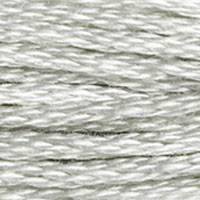
White Aida
Cream / Ecru
Black Aida
Pairs Well With
DMC colors commonly used alongside 3024 Very Light Brown Gray.
Suggested Palette
Shading Companions
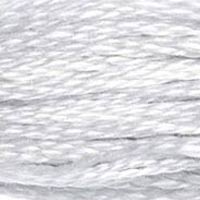
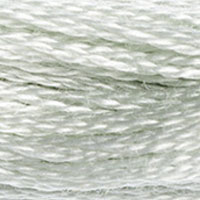
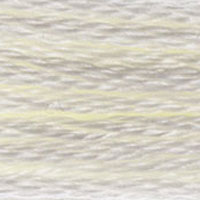
Detailed Conversions
Where to Buy DMC 3024
This section contains affiliate links. We may earn a small commission at no cost to you.
Related Guides
Free Printable Thread Conversion Chart
Pick a brand, enter your email, and we'll send you a printable chart mapping all 552 DMC colors to that brand's equivalents. Zero spam, one chart.
Thanks! Here's your free chart:
Download Your ChartOpens in a new tab. Use your browser's Print → Save as PDF.
No spam. Your email is stored securely and never shared.