
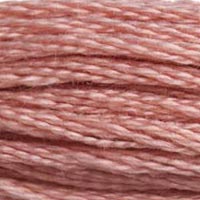
DMC 152 — Medium Light Shell Pink
Pinks family · Hex #E2A099
Quick Conversion Table
| Brand | Equivalent | Match |
|---|---|---|
| Anchor | 969 | close |
| Madeira | 0813 | close |
| Cosmo ⚠ | 122 | close |
| Sullivans | 45467 | close |
| J&P Coats | 3146 | close |
The Pink Inside a Seashell
Hold a conch shell up to the light and look at the interior lip where white deepens into pink. That gradation — not the bright coral of the shell's outer surface, but the soft, warm blush hidden inside — is exactly where DMC 152 lives. Shell pink as a color name has been around for centuries, describing that particular warm, slightly peachy pink that occurs in nature more often than you'd think: inside shells, yes, but also in the first blush on a ripe peach, the palms of hands, the inside of a baby's ear.
As the medium light value in the shell pink family, 152 occupies comfortable middle ground. It's light enough to feel soft and approachable, dark enough to read clearly on white fabric. That middle position makes it one of the more versatile pinks in the DMC range — it doesn't commit to the near-invisibility of the very light pinks or the intensity of the darks. It just sits there, warmly pink, ready to work in almost any context where pink is needed without drama.
The warmth is the key quality here. Shell pinks lean toward peach and salmon — they have orange-pink undertones that separate them from the cooler dusty rose family and the blue-biased mauve family. Place DMC 152 next to DMC 3354 (Light Dusty Rose) and you'll see it immediately: 3354 is cooler, greyer, more subdued. 152 is warmer, cleaner, more alive. In a design, this means 152 reads as healthier, more natural, more connected to flesh tones and fruit and warmth. It's the pink of living things rather than the pink of faded things.
Nursery Designs and Birth Samplers
There's a reason shell pink appears on nearly every birth sampler thread list for baby girls. It's the Goldilocks pink — not so dark that it overwhelms the delicate theme, not so light that it disappears, not so cool that it reads as mature, not so warm that it turns peachy. DMC 152 hits that balance point, and pattern designers know it. Stork motifs, baby bootie borders, small flower garlands surrounding the birth date and weight — these are 152's natural habitat.
For birth samplers, pair 152 with DMC 224 (Very Light Shell Pink) for lighter accents and DMC 223 (Light Shell Pink) as a slightly darker companion. The full shell pink family — from DMC 225 (Ultra Very Light) through 224, 223, 152, and down to DMC 221 (Very Dark Shell Pink) — gives you five values that work as a seamless gradient for everything from the palest background fills to the deepest petal shadows on decorative roses.
Baby blanket borders in cross-stitch lean heavily on 152 as well. The thread has the right combination of visibility and softness for designs stitched on 14-count Aida or waste canvas applied to baby linens. It's also colourfast enough for items that will need washing — an important practical consideration that some stitchers overlook when choosing threads for functional baby items. That said, always wash your finished piece gently by hand for the first wash and watch for any color bleeding, regardless of brand claims.
Fabric and Light Considerations
On white Aida, 152 shows its warm pink character clearly — clean, fresh, and definite without being bold. On cream fabric, the pink mellows slightly and gains extra warmth from the background, which can make it lean more overtly peachy. On natural linen over two, you get a beautiful soft effect where the fabric texture adds depth to the color, perfect for sampler-style work.
Under different lighting conditions, 152 remains relatively stable. Some pinks shift dramatically between natural daylight and tungsten light — cool pinks can look almost grey under warm bulbs — but 152's inherent warmth means it plays nicely with most interior lighting. This is a practical advantage for pieces that will hang in living rooms or nurseries where the light source is a warm-toned lamp rather than a north-facing window.
Warm Pink Substitution: Undertone Is Everything
Shell pink's defining quality is warmth. Any substitute needs to match that warm, slightly peachy-pink character. Reach for a cool pink substitute and you'll shift from "seashell" to "dusty rose" — a completely different color personality that will read differently in the design, particularly alongside other warm pinks.
Madeira 0813 is an exact match and should be your first choice. It captures the warm shell pink quality faithfully, and at this medium-light value, thread finish differences between DMC and Madeira have minimal visual impact. Anchor 969 is close and works well in most contexts, though some stitchers find Anchor's version carries a marginally cooler undertone — not enough to cause problems in mixed palettes, but potentially noticeable in a tight gradient with other shell pinks.
Cosmo 122 is a close match that tends toward the right warmth level, though Cosmo's slightly different dye formulation can produce a fractionally different quality in certain lights. Sullivans 45467 rounds out your options.
If you're building a shell pink gradient and need 152 specifically, avoid the temptation to substitute DMC 3354 (Light Dusty Rose) — the values are similar but the undertones are different families. A better within-DMC alternative would be DMC 3713 (Very Light Salmon), which shares the warm undertone even though its value is lighter. For a darker substitute within the warm pink zone, DMC 223 (Light Shell Pink) steps in just one shade darker with perfect family coherence. When testing any substitute, hold it against the other pinks in your palette rather than viewing it in isolation. A pink that looks correct alone can reveal its undertone differences when placed next to its intended neighbors.
Reference quality
How We Validate This Color Record
Use this page as a reference card for DMC 152: the structured data, quick conversions, and long-form copy are all tied back to the same stored color record.
- Methodology
- This page renders DMC 152, its hex value, and every brand equivalent from the site's source-of-truth color record, then checks long-form body copy against those same stored fields.
- Verification status
- Source-field checked. The page content is audited against the stored DMC number, brand equivalents, and match-quality labels before publishing.
- Last reviewed
- 2026-04-20
- Approximation warning
- Screen hex values, thread photos, and cross-brand conversions are reference aids. Dye lots, thread sheen, and fabric color can still shift the result in hand.
Decision guide
When to use the DMC 152 reference page
This page should help you decide faster between palette planning, brand substitution, and shade comparison without turning the color record into a thin lookup page.
Best for
- + Palette planning when you want the stored DMC 152 Medium Light Shell Pink record, hex value #E2A099, and linked brand equivalents in one place.
- + Checking the quickest cross-brand shortlist before you buy floss, compare stash substitutes, or route into a more specific conversion page.
- + Finding nearby shades in the pinks family before you commit to accents, shading, or background blends.
Watch for
- ! Screen previews are only reference aids. Medium Light Shell Pink can shift on real fabric because thread sheen, stitch coverage, and room lighting change how the color reads.
- ! A stored equivalent is still a shortlist, not a guarantee that two brands will disappear into each other in the same stitched motif.
- ! Older charts, discontinued kit floss, and dye-lot variation can all introduce small but visible differences that the page cannot detect for you.
Before you commit
- Confirm the role of DMC 152 Medium Light Shell Pink: decide whether you need an exact hero shade, a forgiving background, or a rough stash substitute.
- Compare on project fabric: view the skein or stitched sample on the same fabric count and color you will actually use.
- Use the linked conversion pages next: open the brand-specific pages when you need match-quality caveats before substituting away from the DMC reference.
DMC 152 FAQ
These questions appear on the page so the FAQ schema stays aligned with what visitors can actually read.
What is the Anchor equivalent of DMC 152?+
The closest Anchor equivalent to DMC 152 (Medium Light Shell Pink) is Anchor 969. This is a close match.
What color is DMC 152?+
DMC 152 is called "Medium Light Shell Pink" and has a hex color value of #E2A099. It belongs to the pinks color family.
What is the Madeira equivalent of DMC 152?+
The closest Madeira equivalent to DMC 152 (Medium Light Shell Pink) is Madeira 0813. This is a close match.
How DMC 152 Looks on Fabric
The same thread appears different depending on your fabric. Always test on your project fabric.
White Aida
Cream / Ecru
Black Aida
Pairs Well With
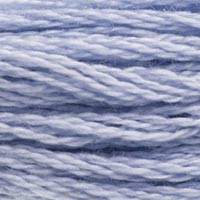
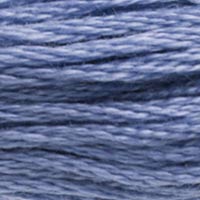
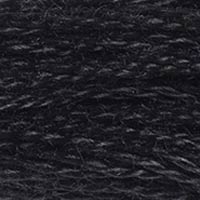
DMC colors commonly used alongside 152 Medium Light Shell Pink.
Suggested Palette
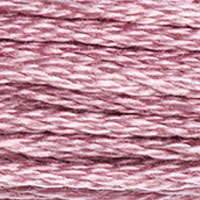
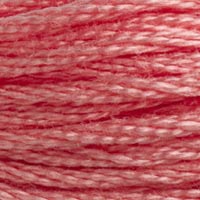
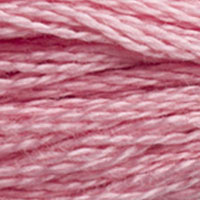
Shading Companions
Detailed Conversions
Where to Buy DMC 152
This section contains affiliate links. We may earn a small commission at no cost to you.
Related Guides
Free Printable Thread Conversion Chart
Pick a brand, enter your email, and we'll send you a printable chart mapping all 552 DMC colors to that brand's equivalents. Zero spam, one chart.
Thanks! Here's your free chart:
Download Your ChartOpens in a new tab. Use your browser's Print → Save as PDF.
No spam. Your email is stored securely and never shared.