
DMC 778 — Very Light Antique Mauve
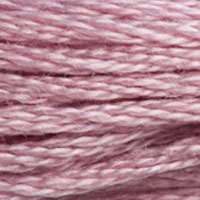
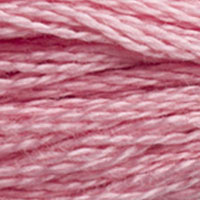
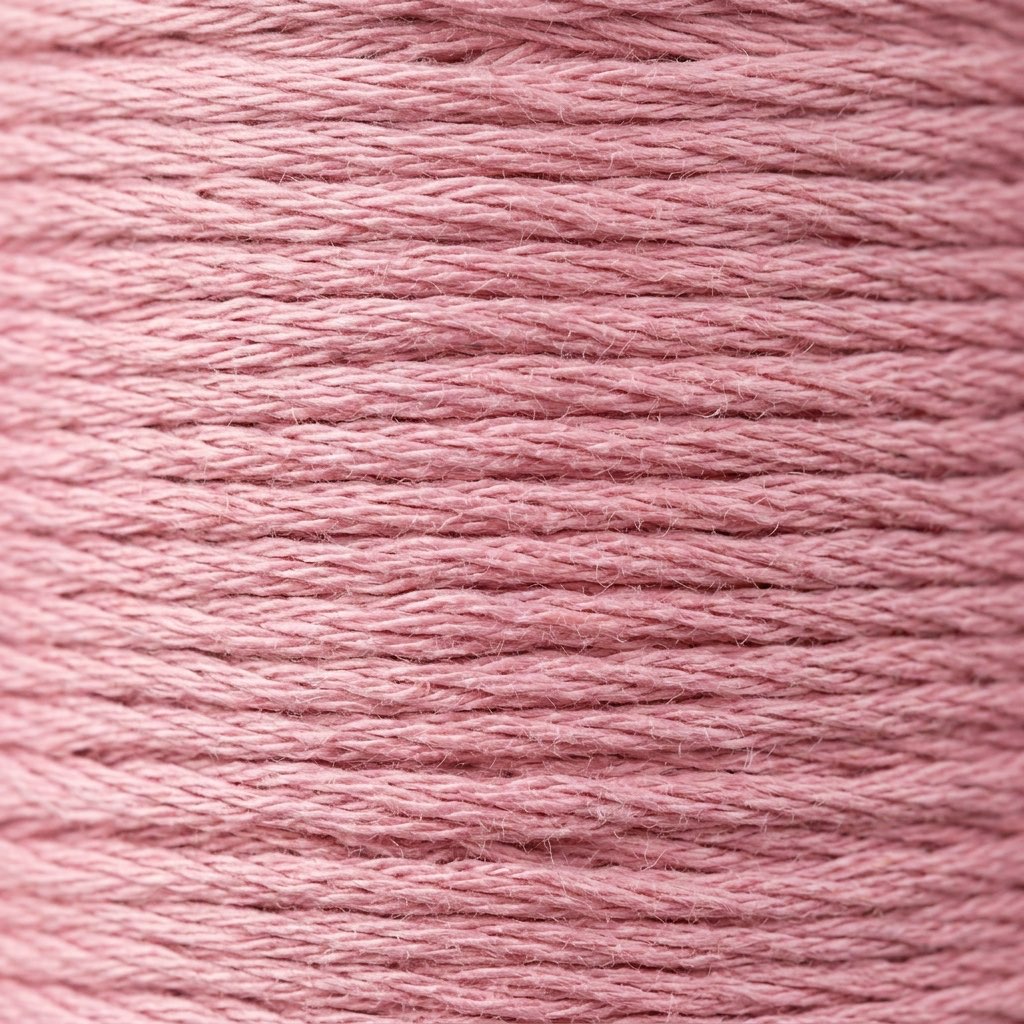
Pinks family · Hex #DFB3BB
Quick Conversion Table
| Brand | Equivalent | Match |
|---|---|---|
| Anchor | 968 | exact |
| Madeira | 0808 | close |
| Cosmo ⚠ | 232 | close |
| Sullivans | 45197 | close |
| J&P Coats | 3080 | close |
| Dimensions | 13060 | close |
| Bucilla | 1224 | close |
| Candamar | 6211 | close |
Mauve has a genuinely interesting etymology: the color takes its name from the French word for the mallow flower, and its discovery as a synthetic dye in 1856 by eighteen-year-old William Perkin — a chemistry student trying to synthesize quinine — launched an entirely new chemical industry. Victorian England was briefly obsessed with mauve, leading newspapers to joke about "mauve measles." DMC 778 Very Light Antique Mauve is a softer, cooler-toned echo of that Victorian vogue — a pale pinkish lavender with just enough gray to read as sophisticated rather than sweet.
The Antique Distinction
The "antique" qualifier in DMC color names signals something specific: a color that reads as slightly dusty, slightly grayed, slightly aged rather than fresh and saturated. DMC 778 Very Light Antique Mauve sits in this category — it's a pink that looks like it's been mellowed by time, a muted, thoughtful pink rather than a cheerful, vibrant one. Compare it mentally to DMC 776 (Medium Pink) and the difference is immediately apparent: 776 is fresh and direct, while 778 has a subdued, almost Victorian quality.
This quality makes 778 invaluable in reproduction sampler work and antique-style needlework. When you're recreating a 19th-century style piece, or designing something meant to evoke that era's aesthetic, the pure bright pinks of modern thread palettes look wrong. The antique mauve family — particularly 778 at its lightest — reads as period-appropriate in ways that more saturated pinks simply don't.
The Antique Mauve Family
DMC's antique mauve range spans from 778 at the palest end through DMC 3688 (Medium Mauve), DMC 3687 (Mauve), and DMC 3685 (Dark Mauve). This family offers a complete, coordinated set of pink-lavender tones in the same dusty, muted register. In shading work, 778 typically serves as the highlight — the lightest, most luminous area of a petal or fabric motif — stepping through 3688 and 3687 into 3685 for the deepest shadows.
The gradient from 778 to 3685 produces shaded roses with a distinctly antique, aged quality that many stitchers prefer for reproduction and vintage-style designs. Paired with DMC 3011 (Dark Khaki Green) or DMC 3052 (Medium Green Gray) for foliage, these antique mauve tones create the muted, sophisticated palette characteristic of late Victorian needlework motifs.
Modern Applications: Dusty Rose Palettes
Beyond reproduction work, dusty rose palettes have had sustained popularity in contemporary cross-stitch design. DMC 778 is one of the go-to colors for this aesthetic — its softness and muted quality pair beautifully with DMC 3726 (Dark Antique Mauve), DMC 3042 (Light Antique Violet), and DMC 524 (Very Light Fern Green) in the kind of muted, slightly bohemian palette that reads as modern-vintage rather than strictly historical.
Wedding and anniversary cross-stitch regularly uses this color family — the dusty rose aesthetic is a perennial wedding trend, and stitched wedding samplers in this palette feel simultaneously timeless and fashionable. Birth samplers with a vintage or boho feel also reach for 778 over more saturated pinks.
Fabric and Finishing Considerations
On linen or antique evenweave, DMC 778 is an exceptional performer — the warm, slightly aged quality of natural fabric enhances the antique character of the thread rather than fighting it. On crisp white Aida, the same color can look slightly flat or washed out if the surrounding palette isn't similarly muted. This color genuinely benefits from a fabric choice that complements its dusty, vintage register.
Anchor 968 and Madeira 0808 are both exact-rated for DMC 778, which is reassuring for a nuanced color like this where the specific dusty-pink-lavender character matters. Both are considered reliable substitutions. Cosmo 232 and Sullivans 45197 are close-rated.
For antique or reproduction work where 778's specific muted quality is essential to the design, the exact-rated brand equivalencies are preferable to the close-rated ones. The distinction between a dusty antique mauve and a slightly more saturated mauve pink becomes meaningful in palette-critical designs.
Within the DMC family, DMC 3688 (Medium Mauve) is the logical step darker and is frequently used alongside 778 in shading sequences — if you're short on 778, 3688 can substitute in areas where you can afford a slightly more saturated and deeper tone. In the other direction, DMC 819 (Light Baby Pink) is roughly similar in value but cooler and cleaner — it lacks the antique dustiness of 778 and will read differently in period-style designs. DMC 3716 (Very Light Dusty Rose) is another close neighbor in the pale-muted-pink zone and can substitute in designs where the lavender-pink quality of 778 is less critical than the general pale-and-muted character.
Reference quality
How We Validate This Color Record
Use this page as a reference card for DMC 778: the structured data, quick conversions, and long-form copy are all tied back to the same stored color record.
- Methodology
- This page renders DMC 778, its hex value, and every brand equivalent from the site's source-of-truth color record, then checks long-form body copy against those same stored fields.
- Verification status
- Source-field checked. The page content is audited against the stored DMC number, brand equivalents, and match-quality labels before publishing.
- Last reviewed
- 2026-04-20
- Approximation warning
- Screen hex values, thread photos, and cross-brand conversions are reference aids. Dye lots, thread sheen, and fabric color can still shift the result in hand.
Decision guide
When to use the DMC 778 reference page
This page should help you decide faster between palette planning, brand substitution, and shade comparison without turning the color record into a thin lookup page.
Best for
- + Palette planning when you want the stored DMC 778 Very Light Antique Mauve record, hex value #DFB3BB, and linked brand equivalents in one place.
- + Checking the quickest cross-brand shortlist before you buy floss, compare stash substitutes, or route into a more specific conversion page.
- + Finding nearby shades in the pinks family before you commit to accents, shading, or background blends.
Watch for
- ! Screen previews are only reference aids. Very Light Antique Mauve can shift on real fabric because thread sheen, stitch coverage, and room lighting change how the color reads.
- ! A stored equivalent is still a shortlist, not a guarantee that two brands will disappear into each other in the same stitched motif.
- ! Older charts, discontinued kit floss, and dye-lot variation can all introduce small but visible differences that the page cannot detect for you.
Before you commit
- Confirm the role of DMC 778 Very Light Antique Mauve: decide whether you need an exact hero shade, a forgiving background, or a rough stash substitute.
- Compare on project fabric: view the skein or stitched sample on the same fabric count and color you will actually use.
- Use the linked conversion pages next: open the brand-specific pages when you need match-quality caveats before substituting away from the DMC reference.
DMC 778 FAQ
These questions appear on the page so the FAQ schema stays aligned with what visitors can actually read.
What is the Anchor equivalent of DMC 778?+
The closest Anchor equivalent to DMC 778 (Very Light Antique Mauve) is Anchor 968. This is an exact match.
What color is DMC 778?+
DMC 778 is called "Very Light Antique Mauve" and has a hex color value of #DFB3BB. It belongs to the pinks color family.
What is the Madeira equivalent of DMC 778?+
The closest Madeira equivalent to DMC 778 (Very Light Antique Mauve) is Madeira 0808. This is a close match.
How DMC 778 Looks on Fabric
The same thread appears different depending on your fabric. Always test on your project fabric.
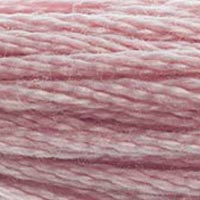
White Aida
Cream / Ecru
Black Aida
Pairs Well With
DMC colors commonly used alongside 778 Very Light Antique Mauve.
Suggested Palette
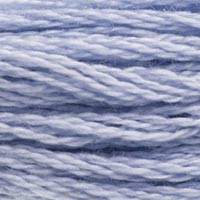
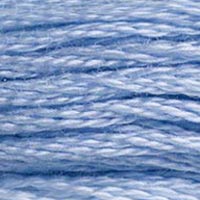
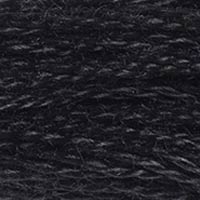
Shading Companions
Detailed Conversions
Where to Buy DMC 778
This section contains affiliate links. We may earn a small commission at no cost to you.
Related Guides
Free Printable Thread Conversion Chart
Pick a brand, enter your email, and we'll send you a printable chart mapping all 552 DMC colors to that brand's equivalents. Zero spam, one chart.
Thanks! Here's your free chart:
Download Your ChartOpens in a new tab. Use your browser's Print → Save as PDF.
No spam. Your email is stored securely and never shared.