
Quick Conversion Table
| Brand | Equivalent | Match |
|---|---|---|
| Anchor | 188 | close |
| Madeira | 1205 | close |
| Cosmo ⚠ | 988 | close |
| Sullivans | 45333 | close |
Teal Green versus Dark Teal: the difference matters more than the names suggest. Where DMC 489 (Dark Teal) tips toward near-dark and emphasizes depth over visibility, DMC 490 Teal Green steps into the zone where the color is fully legible — where you can appreciate both the green and the blue components equally, where texture reads clearly, and where the thread has genuine visual presence rather than anchoring force. It's one value lighter and perceptibly more readable, which makes it the more versatile working color of the two for most design applications.
The Productive Middle of the Teal Family
In any two-value teal pairing (with 489 as the darker anchor), 490 Teal Green carries the majority of the visual work. It covers the primary fill areas, the midtones of curved surfaces, the main body of any teal element in a design, while 489 handles only the shadow zones and depth accents. This typical gradient structure means stitchers will use significantly more 490 than 489 in most projects — plan purchasing quantities accordingly.
For a three-value teal palette, 490 as the midtone pairs naturally with 489 for shadows and DMC 3812 (Very Dark Seagreen) or DMC 992 (Aquamarine) for highlights. This combination gives a complete, versatile teal gradient sufficient for detailed mermaid designs, underwater scenes, peacock feather work, and geometric accent blocks.
Applications in Contemporary Design
Teal Green has benefited from the broader cultural popularity of teal as a decorative color. Cross-stitch patterns that target contemporary home decor aesthetics — the kind of pieces designed to hang in modern, minimally styled interiors — frequently feature deep teals as primary colors, both because the color is fashionable and because it photographs beautifully for social media, which drives significant pattern purchases in the current market.
Beyond trends, 490 earns its place in more timeless applications: dragonfly wing gradients (certain species are exactly this teal-green color), kingfisher and hummingbird plumage, peacock tail feathers, copper patina (where oxidized copper settles into a rich teal-green), and abstract geometric designs where clean, saturated colors create bold visual statements. Stitchers who favor Scandinavian-inspired geometric designs or bold botanical prints will find 490 appearing in many of their favorite patterns.
Technique and Fabric Notes
Teal Green has excellent coverage on most fabric types. On 14-count white Aida with 2 strands, it reads clearly and fully — no coverage problems. On 28-count evenweave over-two, it has a slightly more refined texture that suits the more polished context of linen pieces. On dark fabric, particularly navy or black, 490 creates striking contrast without the near-invisibility risk that affects very dark threads like 489. For stitchers who enjoy working on dark-colored fabric, 490 is one of the more rewarding threads in this context.
Anchor 188 crosses well to 490 with reasonable accuracy. As with the 489-to-Anchor-189 match, the Anchor version may run very slightly more blue, but this is a minor difference that the finished piece typically absorbs without issue. For stitchers already using Anchor throughout a project, 188 is a confident choice for Teal Green sections.
Madeira 1205 is a solid substitute that tracks 490 closely. Madeira's teal family (1204–1205 for the 489–490 pair) is internally consistent, making it suitable for projects that need both shades — no unexpected temperature shift between the two Madeira numbers. Good colorfastness in this range as well.
Cosmo 988 performs reliably and pairs appropriately with Cosmo 987 (the 489 equivalent) if you're using Cosmo throughout the teal range. The internal consistency of Cosmo's teal shades is good, and the combined substitution should produce a visually coherent result comparable to the DMC original pair.
Sullivans 45333 is adequate for standard applications. The same advice about dye lot consistency applies here as for 489 — for large projects where 490 covers significant area, checking that skeins are from the same lot reduces the risk of visible variation. For small accent uses, Sullivans is entirely fine.
Within DMC's family, DMC 3812 (Very Dark Seagreen) is one step lighter and slightly more green — a reasonable emergency substitute that maintains teal character. DMC 991 (Aquamarine) is lighter still but in the same blue-green family if a lighter substitute is acceptable.
Reference quality
How We Validate This Color Record
Use this page as a reference card for DMC 490: the structured data, quick conversions, and long-form copy are all tied back to the same stored color record.
- Methodology
- This page renders DMC 490, its hex value, and every brand equivalent from the site's source-of-truth color record, then checks long-form body copy against those same stored fields.
- Verification status
- Source-field checked. The page content is audited against the stored DMC number, brand equivalents, and match-quality labels before publishing.
- Last reviewed
- 2026-04-20
- Approximation warning
- Screen hex values, thread photos, and cross-brand conversions are reference aids. Dye lots, thread sheen, and fabric color can still shift the result in hand.
Decision guide
When to use the DMC 490 reference page
This page should help you decide faster between palette planning, brand substitution, and shade comparison without turning the color record into a thin lookup page.
Best for
- + Palette planning when you want the stored DMC 490 Teal Green record, hex value #286060, and linked brand equivalents in one place.
- + Checking the quickest cross-brand shortlist before you buy floss, compare stash substitutes, or route into a more specific conversion page.
- + Finding nearby shades in the greens family before you commit to accents, shading, or background blends.
Watch for
- ! Screen previews are only reference aids. Teal Green can shift on real fabric because thread sheen, stitch coverage, and room lighting change how the color reads.
- ! A stored equivalent is still a shortlist, not a guarantee that two brands will disappear into each other in the same stitched motif.
- ! Older charts, discontinued kit floss, and dye-lot variation can all introduce small but visible differences that the page cannot detect for you.
Before you commit
- Confirm the role of DMC 490 Teal Green: decide whether you need an exact hero shade, a forgiving background, or a rough stash substitute.
- Compare on project fabric: view the skein or stitched sample on the same fabric count and color you will actually use.
- Use the linked conversion pages next: open the brand-specific pages when you need match-quality caveats before substituting away from the DMC reference.
DMC 490 FAQ
These questions appear on the page so the FAQ schema stays aligned with what visitors can actually read.
What is the Anchor equivalent of DMC 490?+
The closest Anchor equivalent to DMC 490 (Teal Green) is Anchor 188. This is a close match.
What color is DMC 490?+
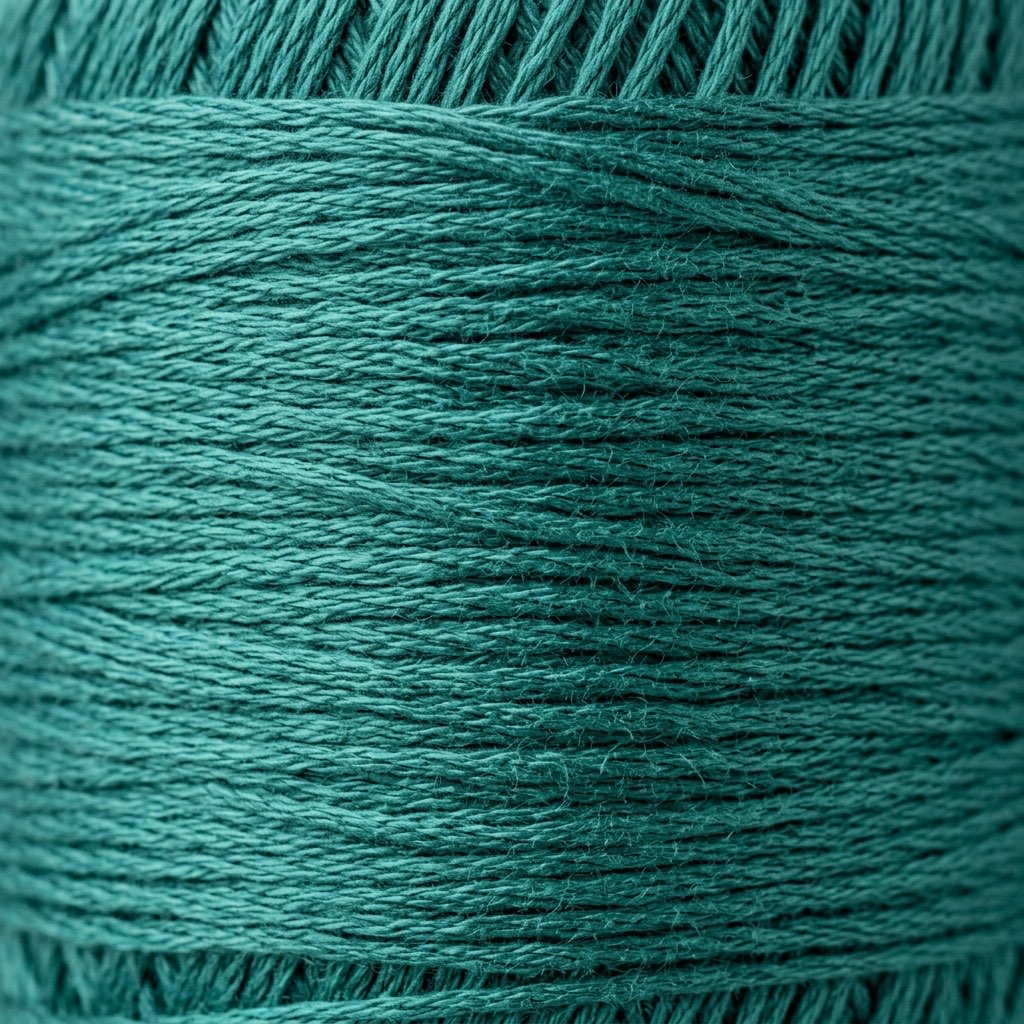
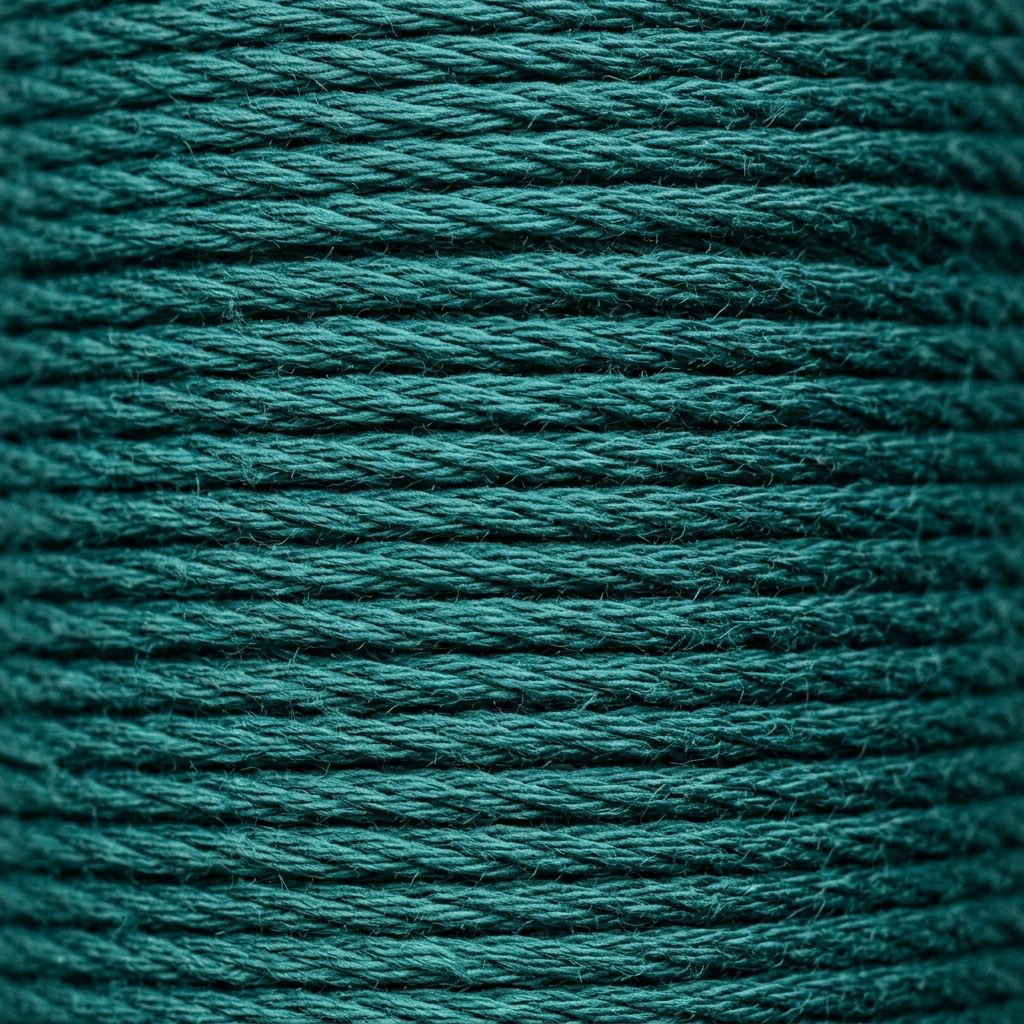
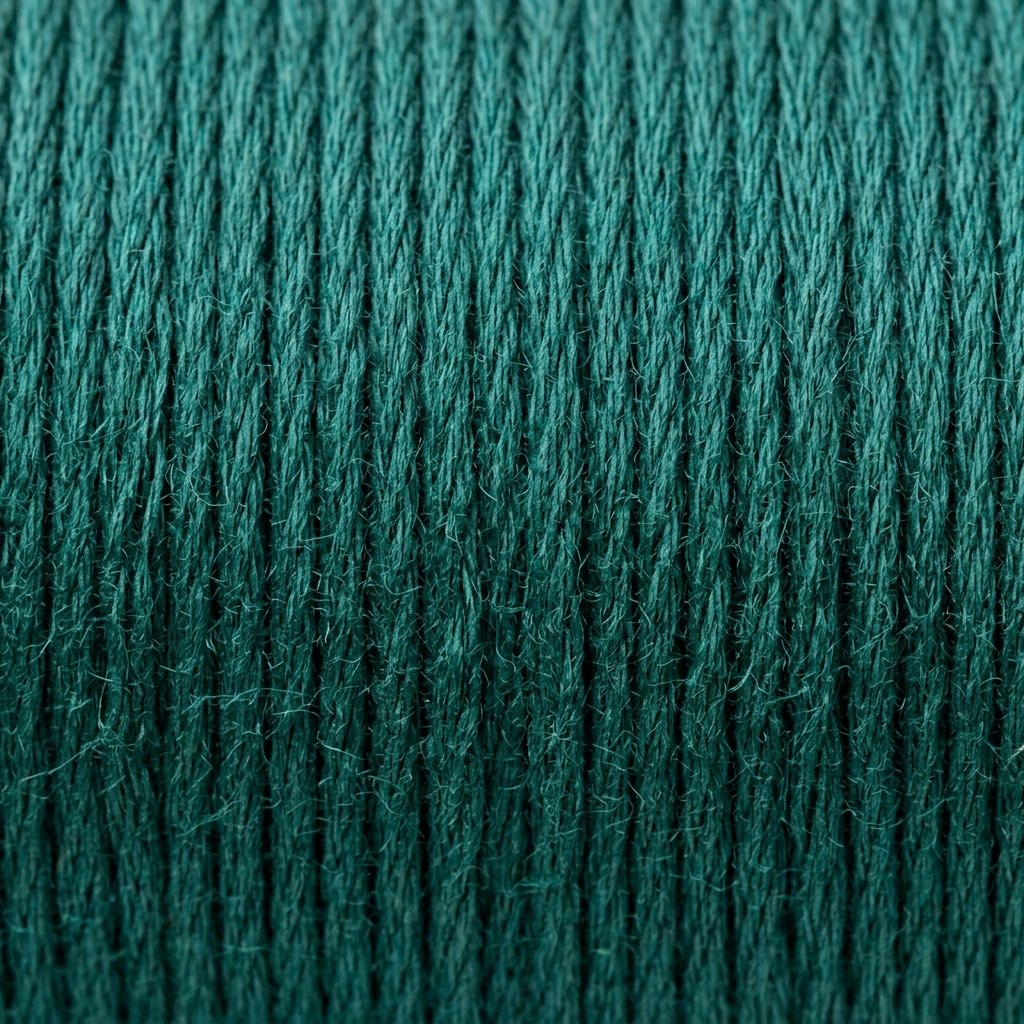
DMC 490 is called "Teal Green" and has a hex color value of #286060. It belongs to the greens color family.
What is the Madeira equivalent of DMC 490?+
The closest Madeira equivalent to DMC 490 (Teal Green) is Madeira 1205. This is a close match.
How DMC 490 Looks on Fabric
The same thread appears different depending on your fabric. Always test on your project fabric.
White Aida
Cream / Ecru
Black Aida
Pairs Well With
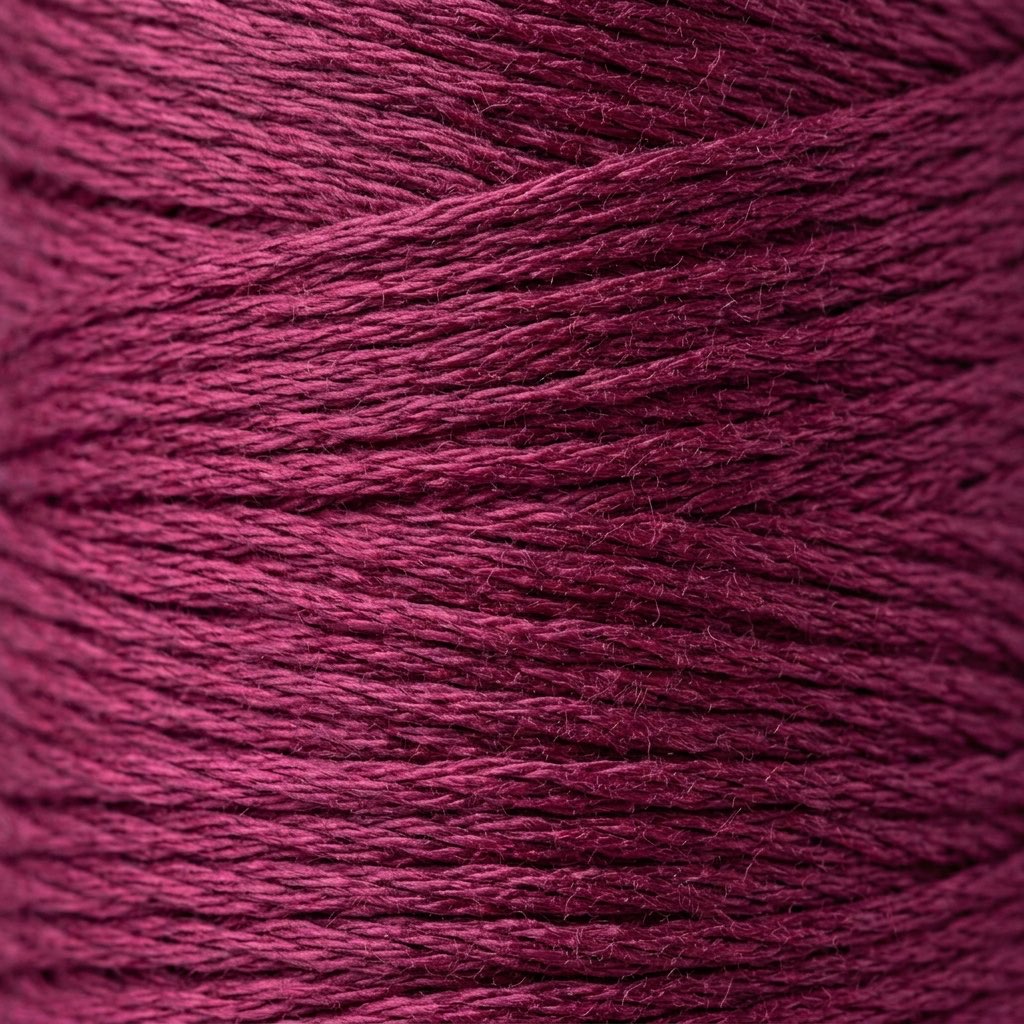
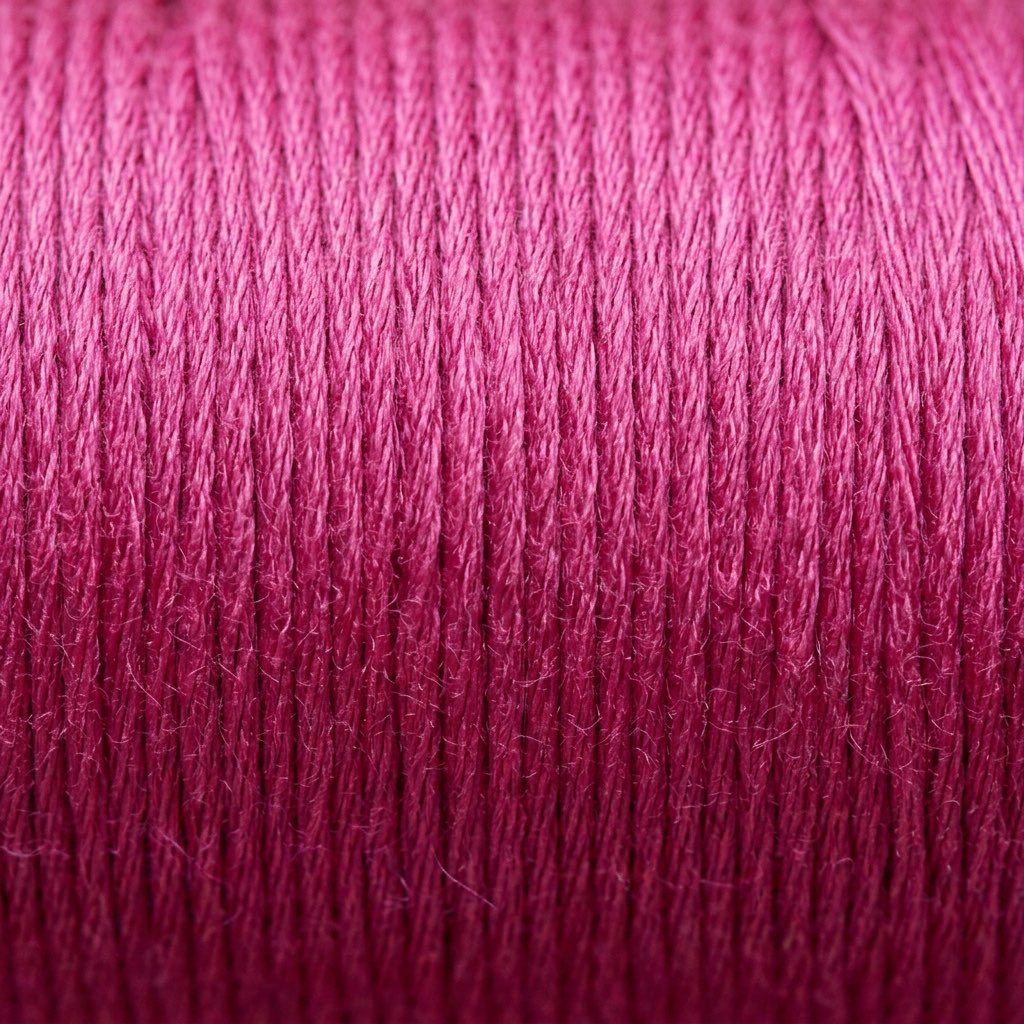
DMC colors commonly used alongside 490 Teal Green.
Suggested Palette
Shading Companions
Detailed Conversions
Where to Buy DMC 490
This section contains affiliate links. We may earn a small commission at no cost to you.
Related Guides
Free Printable Thread Conversion Chart
Pick a brand, enter your email, and we'll send you a printable chart mapping all 552 DMC colors to that brand's equivalents. Zero spam, one chart.
Thanks! Here's your free chart:
Download Your ChartOpens in a new tab. Use your browser's Print → Save as PDF.
No spam. Your email is stored securely and never shared.